
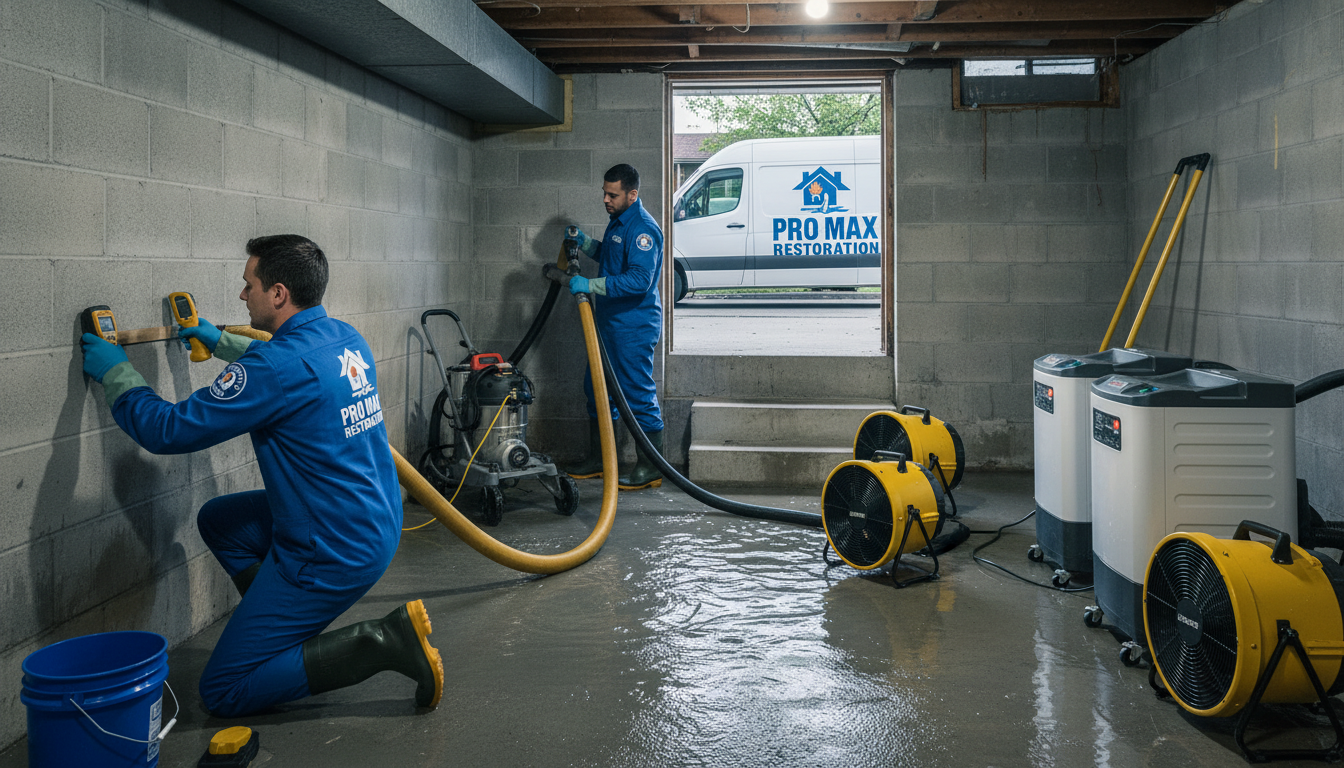
24/7 Water Damage Restoration in Toronto
IICRC-certified technicians on-site in 45 minutes with industrial extractors and dehumidifiers. 600+ GTA properties restored with direct insurance billing.
Years Experience
Projects Completed
Minute Response
Google Rating
What Our Water Damage Restoration Service Includes
Comprehensive water damage restoration solutions tailored to Toronto and GTA properties, backed by IICRC certification and 15+ years of experience.
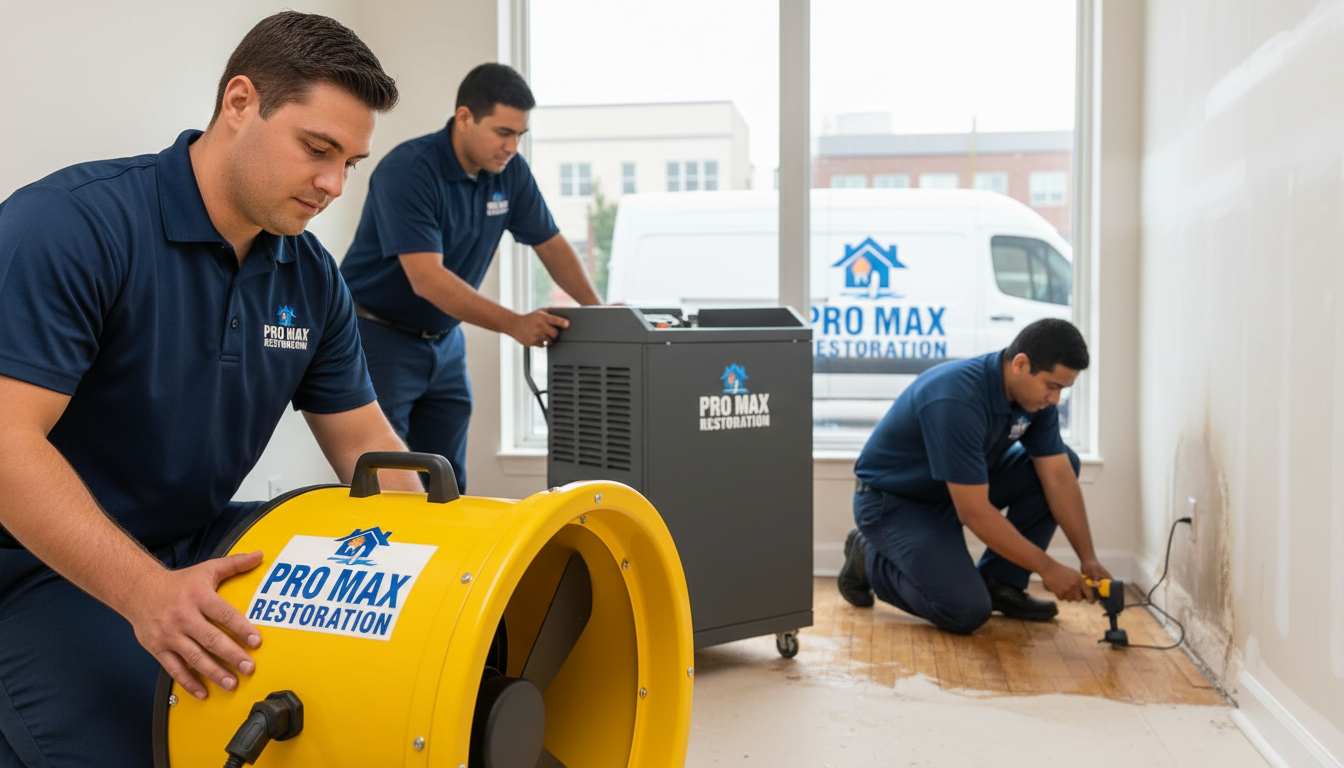
Water Damage Restoration in Action
See our certified team delivering professional water damage restoration services across Toronto and the GTA.
Our Water Damage Restoration Process
A systematic, IICRC-compliant approach ensuring thorough service and your complete satisfaction.
Emergency Contact & Dispatch
Call 416-988-3539 — our emergency coordinator gathers critical details (water source, affected areas, safety concerns) and dispatches the nearest crew. Average dispatch-to-arrival: 45 minutes across the GTA.
Damage Assessment & Moisture Mapping
Our lead technician uses FLIR infrared cameras and Protimeter moisture meters to map every affected surface — including hidden moisture behind walls and under subfloors that visual inspection misses. This map becomes the foundation for your insurance claim.
Water Extraction & Containment
Truck-mounted and portable extractors remove standing water at up to 25 gallons per minute. We set containment barriers to prevent spread to unaffected areas and protect furniture and contents.
Structural Drying & Monitoring
Strategic placement of commercial air movers and LGR dehumidifiers creates targeted airflow patterns. We monitor daily with moisture meters, adjusting equipment placement until all materials reach the IICRC's dry standard (typically 3–5 days for residential).
Cleaning, Sanitization & Odour Control
Antimicrobial treatments eliminate bacteria and prevent mold growth. HEPA air scrubbers remove airborne particles. Hydroxyl generators neutralize odours at the molecular level — no masking agents.
Restoration & Rebuild
From drywall replacement and paint matching to hardwood refinishing and full bathroom rebuilds — our in-house construction team handles every aspect of returning your property to pre-loss condition. One company, one warranty, zero coordination headaches.
Why Toronto Properties Are Especially Vulnerable to Water Damage
Toronto's unique climate, aging infrastructure, and urban density create conditions that make water damage one of the most common — and most expensive — property emergencies in the GTA. Understanding these local risk factors is the first step toward protecting your home or business.
Freeze-Thaw Pipe Bursts
Toronto winters regularly drop below −20°C. When water freezes inside supply lines — especially in older North York and Scarborough homes with uninsulated basement headers — the expanding ice creates pressure exceeding 2,000 PSI, splitting copper and PEX pipes. Our data shows January through March accounts for 47% of our annual emergency calls.
Spring Thaw & Overland Flooding
Rapid snowmelt combined with spring rains overwhelm Toronto's combined sewer system — a legacy infrastructure issue the City has spent over $2 billion to address. Low-lying neighbourhoods such as the Don Valley corridor, Rockcliffe-Smythe, and parts of Etobicoke face repeated basement flooding, especially in homes without backwater valves.
High-Rise Plumbing Failures
Toronto's condo boom means thousands of buildings with complex risers and shared plumbing stacks. A single unit's supply line failure can cascade through multiple floors. We've responded to incidents in Liberty Village and CityPlace where one burst fitting caused water damage across 8–12 units simultaneously.
Aging Housing Stock
Over 40% of Toronto's residential properties were built before 1980. Many still have original galvanized or cast-iron drain lines that corrode from the inside out, clay weeping tiles that crack and clog, and foundation waterproofing membranes well past their 25-year service life.
Appliance & Hot Water Tank Failures
Standard hot water tanks have a 10–12 year lifespan, yet many Toronto homeowners don't replace them until failure — often a catastrophic bottom-rust-through that dumps 40–60 gallons onto the basement floor within minutes. Dishwasher supply hose failures are the second most common source we see in GTA kitchens.
Storm-Related Damage
Toronto experiences an average of 38 thunderstorm days annually. The July 2013 flood caused $940 million in insured losses — the most expensive natural disaster in Ontario history. Our team is experienced with the specific damage patterns these extreme weather events leave behind, from sewer surcharge flooding to wind-driven roof leaks.
Understanding Water Damage Categories & Why They Matter
Not all water damage is equal. The IICRC S500 standard classifies water into three categories that directly determine the restoration approach, safety protocols, and cost. As an IICRC-certified firm, we follow these standards on every Toronto project.
Clean Water
Broken supply lines, overflowing sinks (without contaminants), melting ice/snow intrusion, rainwater through a clean roof leak
Extract, dry in place, and salvage most building materials. Drying must begin within 24–48 hours to prevent microbial growth. Toronto's high humidity from May through September requires more aggressive dehumidification than the IICRC minimum.
Lowest — most materials can be dried and saved rather than replaced.
Grey Water
Dishwasher or washing machine discharge, toilet overflow (urine only), sump pump failures, aquarium leaks
Porous materials in direct contact (carpet, underpad, drywall below the flood line) are typically removed. Hard surfaces are cleaned with antimicrobial agents. We use ATP testing to verify sanitation — a step many Toronto competitors skip.
Moderate — expect some material replacement alongside drying.
Black Water
Sewage backups, river/creek flooding, standing water older than 72 hours (any category degrades to Cat 3), storm surge through basement floor drains
Full containment, PPE Level C minimum, removal of all porous materials in contact. Toronto sewer backups frequently carry harmful bacteria including E. coli and hepatitis A. We follow strict IICRC S500 and ANSI/IICRC R520 protocols — including negative air pressure, HEPA filtration, and third-party clearance testing.
Highest — extensive material removal, specialized cleaning, and clearance testing required.
Water Damage Insurance Claims in Toronto: What Homeowners Need to Know
Navigating an insurance claim after water damage is often more stressful than the damage itself. Over 15 years of working with every major Canadian insurer has taught us exactly how to document, communicate, and advocate for Toronto homeowners to maximize their coverage.
Thorough Documentation From Minute One
We photograph and video every affected area with moisture readings overlaid, creating an evidence package that insurers cannot dispute. This documentation starts during our initial 45-minute response — before any mitigation work begins.
Direct Billing With All Major Insurers
We bill Intact, Aviva, Desjardins, TD Insurance, Wawanesa, Co-operators, and all other major Canadian insurers directly. You don't pay out-of-pocket for covered losses — we handle the paperwork and follow-up.
Scope Advocacy — Fighting for Full Coverage
Adjusters sometimes try to limit scope to save the insurer money. Our detailed moisture mapping frequently reveals damage behind walls and under subfloors that visual inspection alone misses. We document and advocate for every legitimate item to be included in your claim.
Meeting Insurer Deadlines
Most Toronto home insurance policies require notification within 24 hours and mitigation to begin "immediately." Our same-day response and real-time reporting to your adjuster ensures you stay compliant with policy requirements — protecting your claim from denial.
Is Your Water Damage Covered?
Coverage depends on the cause of the water damage and your specific policy endorsements. Here's what Toronto homeowners typically encounter:
Burst pipes, appliance failures, accidental overflow, fire suppression water
Sewer backup (requires separate rider — ~$50–150/year), overland flooding (available since 2015)
Gradual leaks you knew about, maintenance neglect, groundwater seepage (without endorsement), flood damage (without overland flood endorsement)
Disclaimer: Coverage varies by policy. We recommend reviewing your specific endorsements. Our team can help you understand your coverage during our free assessment.
Water Damage Risks by Toronto Neighbourhood
After 600+ restoration projects across the GTA, we've mapped the patterns. Different areas face different threats based on their geography, infrastructure age, and housing types.
North York & Willowdale
Freeze-related pipe bursts in split-level homes built 1960–1980. Many have original copper supply lines running through exterior walls with inadequate insulation.
Scarborough
Basement flooding during heavy rainfall. Many homes predate the City's basement flooding protection program and lack backwater valves and sump pumps.
Etobicoke & Mimico
Proximity to the lake and Mimico Creek creates overland flood risk. Properties near the waterfront face additional storm surge concerns during major weather events.
Downtown & Liberty Village
High-rise condo plumbing failures. Aging HVAC condensate lines and shared riser failures can affect multiple units. Densely packed mechanical rooms increase cascading damage risk.
The Beaches & Leslieville
Combined sewer overflows during storms. These east-end neighbourhoods still rely on combined sewers, leading to sewer backup risk during heavy rainfall events.
Mississauga & Brampton
Rapid development means newer construction, but builder-grade hot water tanks and economy plumbing fixtures fail earlier than expected — we see a spike in appliance-related claims at the 8–10 year mark.
Need Emergency Water Damage Restoration? Call Now
Our certified technicians arrive on-site within 45 minutes. Don't wait—call now for immediate assistance.