
Preventing Frozen and Burst Pipes in Toronto: A Winter Survival Guide for Homeowners
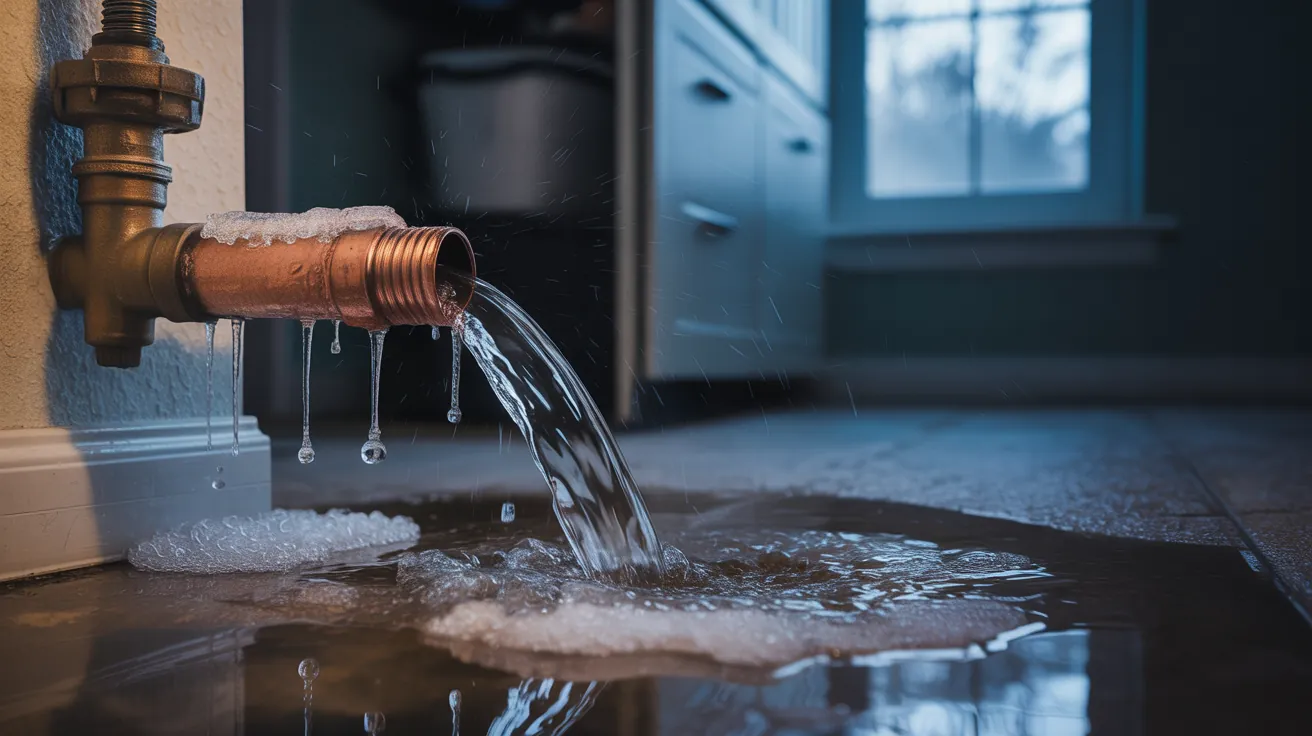
Toronto winters routinely drop below -20°C, putting your home's plumbing at serious risk. Learn exactly which pipes are most vulnerable and the proven strategies that prevent costly burst pipe emergencies.
Every winter, Pro Max Restoration responds to hundreds of burst pipe emergencies across the Greater Toronto Area. A single burst pipe can release 400+ litres of water per hour, causing tens of thousands of dollars in damage to flooring, drywall, furniture, and electrical systems. The good news? Burst pipes are almost entirely preventable. **Why Toronto Pipes Are Especially Vulnerable** Toronto experiences extended cold snaps where temperatures remain below -15°C for days. Pipes in unheated areas — exterior walls, garages, crawl spaces, and attics — are at the highest risk. Older Toronto homes (pre-1960s) in neighbourhoods like The Beaches, Riverdale, and Roncesvalles often have original copper or galvanized steel pipes running through poorly insulated exterior walls. Water expands approximately 9% when it freezes. This expansion creates pressure exceeding 2,000 PSI inside the pipe — far more than residential plumbing can withstand. The failure point is often not at the ice blockage itself, but downstream where the pressure has nowhere to escape. **The Most Vulnerable Pipes in Your Toronto Home** 1. *Outdoor hose bibs:* The #1 cause of burst pipe claims we see. If you haven't disconnected your garden hose and installed an insulating cover, do it today. 2. *Kitchen supply lines on exterior walls:* Common in older Toronto semi-detached homes where kitchens face the side wall. 3. *Bathroom pipes in exterior walls:* Especially master ensuite additions above unheated garages. 4. *Basement water lines:* Pipes running near rim joists (the gap between your foundation and first floor) are exposed to frigid air. 5. *Sprinkler system lines:* Must be professionally blown out before the first freeze. **Proven Prevention Strategies** *Insulation:* Wrap all exposed pipes in unheated areas with foam pipe insulation (minimum R-3 value). For high-risk runs, consider electric heat trace cable — a thermostat-controlled heating element that wraps around the pipe and activates when temperatures drop below 3°C. Cost: $50-$150 per run. *Circulation:* During extreme cold warnings (-20°C or below), open cabinet doors under kitchen and bathroom sinks on exterior walls to allow warm air to circulate around pipes. Let faucets drip slightly — moving water freezes at a lower temperature than standing water. *Temperature Control:* Never set your thermostat below 17°C (63°F), even when travelling. If your home will be vacant during winter, shut off the main water supply and drain the system completely. Better yet, install a Wi-Fi-enabled water leak detector ($50-$100) that alerts your phone to temperature drops and moisture. *Main Water Shut-Off:* Every household member should know the location of the main water shut-off valve and how to operate it. In a burst pipe emergency, shutting off water within the first minute versus the first 30 minutes can reduce damage from $25,000+ to under $5,000. **The Critical First 60 Minutes After a Pipe Bursts** 1. Shut off the main water supply immediately 2. Turn off electricity in affected areas (water + electricity = life-threatening) 3. Open all faucets to drain remaining water from the system 4. Begin removing standing water with towels, mops, or a wet-dry vacuum 5. Call Pro Max Restoration at 416-988-3539 — our emergency team arrives on-site within 45 minutes, 24/7 6. Document all damage with photos and video before cleanup 7. Contact your insurance company to start a claim **When to Call a Plumber vs. a Restoration Company** A plumber fixes the pipe. A restoration company fixes everything the water damaged. After a burst pipe, you need both — but prioritize the restoration company first. The pipe repair takes hours; the water damage gets exponentially worse every minute. Our team begins emergency water extraction immediately while coordinating with licensed plumbers for the pipe repair. **Winter Plumbing Checklist for Toronto Homeowners** Before November each year, complete these steps: ☐ Disconnect and drain all outdoor hoses ☐ Install insulating covers on all exterior hose bibs ☐ Insulate pipes in unheated areas (garage, crawl space, attic) ☐ Service your furnace to prevent heating failures during cold snaps ☐ Know the location of your main water shut-off valve ☐ Install smart water leak sensors near high-risk areas ☐ Set furnace to minimum 17°C if travelling during winter ☐ Have a trusted neighbour check your home every 48 hours during extended absences Pro Max Restoration offers free pre-winter plumbing assessments for Toronto and GTA homeowners. Our technicians identify vulnerable pipes and recommend targeted prevention measures. Call 416-988-3539 to schedule your assessment before the first freeze.
Need Professional Restoration Help?
Our IICRC-certified team is available 24/7 for emergencies and free consultations.
Call 416-988-3539