
How to Prevent Basement Flooding in Toronto (2026 Guide)
Written & reviewed by the Pro Max Restoration Technical Team
IICRC-Certified Restoration Technicians
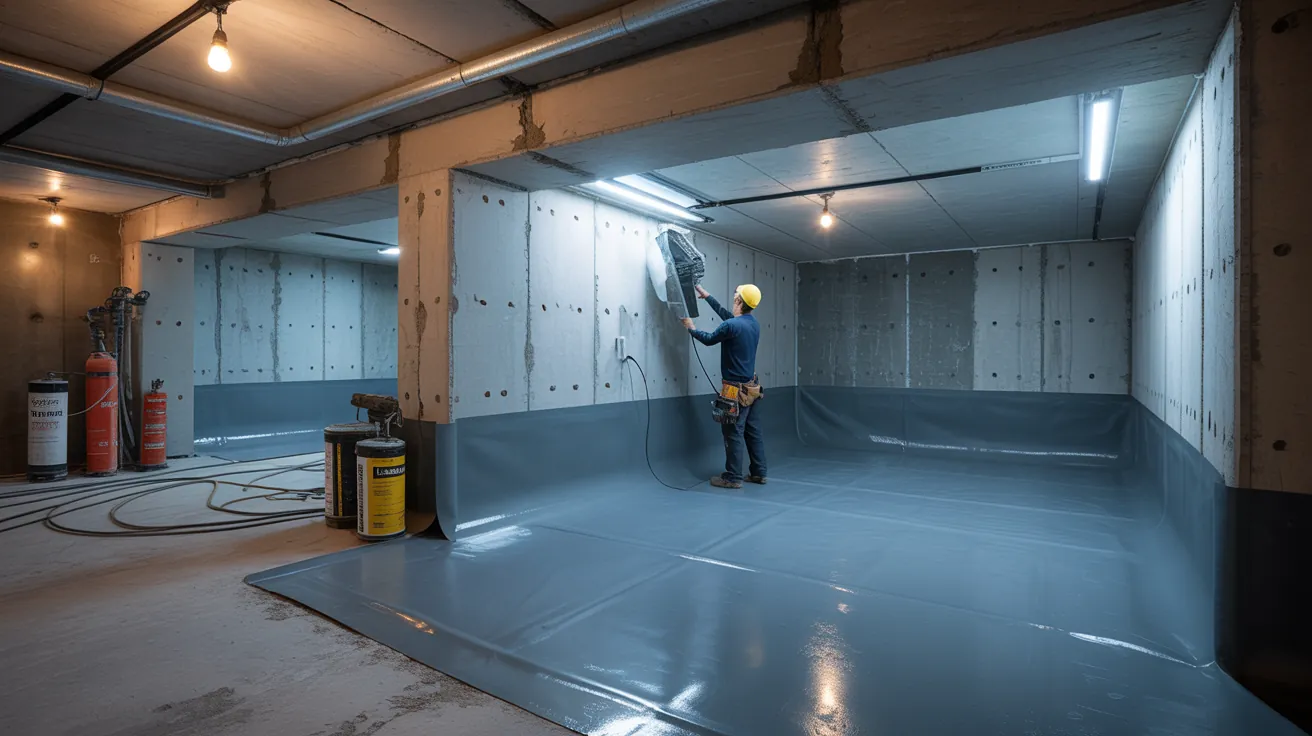
A practical, Toronto-specific guide to preventing basement flooding in 2026 — why Toronto basements flood, the prevention upgrades that actually work, the City of Toronto's expanded $6,650 flood-proofing subsidy, a prioritized checklist, and what to do if water still gets in.
Toronto homeowners know the drill: a summer downpour hits, and before the storm even clears, someone on the block is hauling soaked boxes up from their basement. If you want to prevent basement flooding in Toronto, 2026 brings both new pressure — more frequent extreme rainfall — and new help, including an expanded City of Toronto subsidy covering up to $6,650 in flood-proofing upgrades. Here is why Toronto basements flood, which prevention measures actually work, and what to do if water gets in despite your best efforts.
Why Toronto Basements Flood
Toronto's flooding problem is not bad luck — it is built into the city's geography and infrastructure. Understanding the causes helps you prioritize the right fixes for your home.
- Combined sewer systems: Large sections of older Toronto neighbourhoods, including parts of the downtown core, North York, and Scarborough, still run combined sewers that carry stormwater and sanitary sewage in a single pipe. During heavy rain, these pipes can surcharge, forcing sewage back up through basement drains and toilets.
- Aging infrastructure: Much of Toronto's underground pipe network dates to the 1950s and 60s, built for a smaller, less paved city. It was never sized for today's rainfall volumes or the amount of hard surface — roofs, driveways, roads — that sends water into the system all at once.
- Extreme storms: Rainfall patterns have shifted toward short, intense downpours rather than steady rain. A storm that dumps 50 to 100mm of rain in an hour overwhelms even well-maintained sewers and creates flash flooding in low-lying basements across the GTA.
- High water table: Neighbourhoods near rivers, ravines, and Lake Ontario — including stretches of the Beaches, Etobicoke, and low-lying Scarborough — often sit on a naturally high water table, which pushes groundwater against foundation walls year-round and worsens seepage in wet seasons.
Top Prevention Measures That Actually Work
The good news is that most basement flooding is preventable with the right combination of upgrades. Here are the measures we recommend most often after 600+ restoration projects across the GTA.
1. Install a Backwater Valve
A backwater valve is the single most effective defence against sewer backup. It sits on your main sewer line and lets wastewater flow out of your home while closing automatically if water tries to flow back in during a sewer surcharge. If your home does not already have one, this is the first upgrade to prioritize — it is also the flagship item covered by the city's subsidy program. See our sewer backup protection and cleanup services for details.
2. Add a Sump Pump With Battery Backup
A sump pump collects groundwater before it enters your basement and pumps it away from the foundation. The catch: most sump pump failures happen during the exact storms that cause flooding, when hydro is knocked out. A battery backup, or a secondary water-powered pump, keeps your sump pit working through a power outage, which is often the difference between a dry basement and a costly claim.
3. Disconnect Your Downspouts
If your downspouts still drain directly into the sewer system, they are adding to the surcharge problem during heavy rain. The City of Toronto has required downspout disconnection in many areas for years — redirecting downspouts to drain onto your lawn, at least 1.8 metres from the foundation, keeps roof runoff out of the sewer and reduces pressure on the system for your whole street.
4. Fix Lot Grading
Grading is one of the cheapest, most overlooked fixes. The ground around your foundation should slope away from the house at roughly a 2% grade for at least the first two metres. Reverse grading, where soil settles toward the foundation over time, is a leading cause of basement seepage, especially in homes over 20 years old.
5. Waterproof With Weeping Tile
Weeping tile is a perforated pipe installed around the base of your foundation that collects groundwater and channels it to a sump pit or storm drain. Combined with exterior membrane waterproofing, it is the most reliable long-term fix for homes with chronic seepage or a high water table. If you are already seeing damp walls, efflorescence, or musty odours, our leaking basement team can assess whether weeping tile or interior waterproofing is the right fit.
6. Install Window Well Covers
Below-grade window wells fill with rainwater fast, and many older wells lack proper drainage. Clear, well-fitted covers keep rain and debris out while still letting light in, closing off one of the most common — and most preventable — points of basement water entry.
7. Keep Drains and Catch Basins Clear
Leaves, debris, and sediment clog floor drains, catch basins, and eavestroughs every fall. A twice-yearly clean-out of gutters, downspouts, and your basement floor drain trap keeps water moving where it should during the next storm instead of backing up into your home.
City of Toronto Basement Flooding Protection Subsidy Program
As of May 1, 2026, the City of Toronto offers homeowners up to $6,650 through its Basement Flooding Protection Subsidy Program. The subsidy covers up to 80% of eligible costs for flood-proofing work such as backwater valve installation, sump pump installation, and downspout disconnection. Homeowners across Toronto, including North York, Scarborough, and the Beaches, can apply after having the work assessed and completed by a licensed contractor. Because eligible upgrades must meet specific installation standards, it is worth confirming scope with a restoration or plumbing professional before you apply.
Your Prioritized Basement Flood-Proofing Checklist
If you are tackling this over a season rather than all at once, work through these in order of impact:
- Install or inspect your backwater valve.
- Install a sump pump with battery backup, or add backup to an existing pump.
- Disconnect downspouts and extend them away from the foundation.
- Correct any negative lot grading around the foundation.
- Add window well covers on all below-grade windows.
- Book weeping tile or exterior waterproofing if you have a history of seepage.
- Clean floor drains, catch basins, and eavestroughs each spring and fall.
- Apply for the City of Toronto subsidy to offset eligible costs.
What to Do If It Floods Anyway
Even a fully flood-proofed home can take on water in a truly extreme storm. If that happens: shut off electricity to the affected area if it is safe to do so, avoid wading into standing water since it may be contaminated sewage, photograph the damage for your insurance claim, and call a restoration company immediately — water damage compounds by the hour as it soaks into drywall, flooring, and framing. Our flooded basement and water damage restoration crews respond across the GTA in about 45 minutes and work directly with insurers on billing. If sewage backup is involved, read our guide on what to do after a sewage backup for the health and safety steps to take before cleanup begins. It is also worth reviewing how flood damage is treated under your policy with the Insurance Bureau of Canada's flooding and insurance guide, since coverage for sewer backup versus overland flooding can differ significantly.
Pro Max Restoration is IICRC S-500 and S-520 certified, with 15+ years and 600+ completed projects across Toronto and the GTA, a 5.0 rating, and direct insurance billing. Whether you need a flood-proofing assessment or emergency response after a storm, call 416-988-3539 or contact us for a free consultation.
Frequently Asked Questions
How much does it cost to prevent basement flooding in Toronto?
What is a backwater valve and do I need one?
Does home insurance cover basement flooding in Toronto?
How much is the City of Toronto basement flooding subsidy worth?
How quickly should I call a restoration company if my basement floods?
Need Professional Restoration Help?
Our IICRC-certified team is available 24/7 for emergencies and free consultations.
Call 416-988-3539