
Certified Mold Removal & Remediation in Toronto
IICRC S-520 certified mold inspection, containment, and safe removal. From small patches to full black mold remediation with third-party clearance testing.
Last updated:
Years Experience
Projects Completed
Minute Response
Google Rating
What Our Mold Removal Service Includes
Every mold removal project is unique — here's the full scope of what we handle for Toronto and GTA properties.
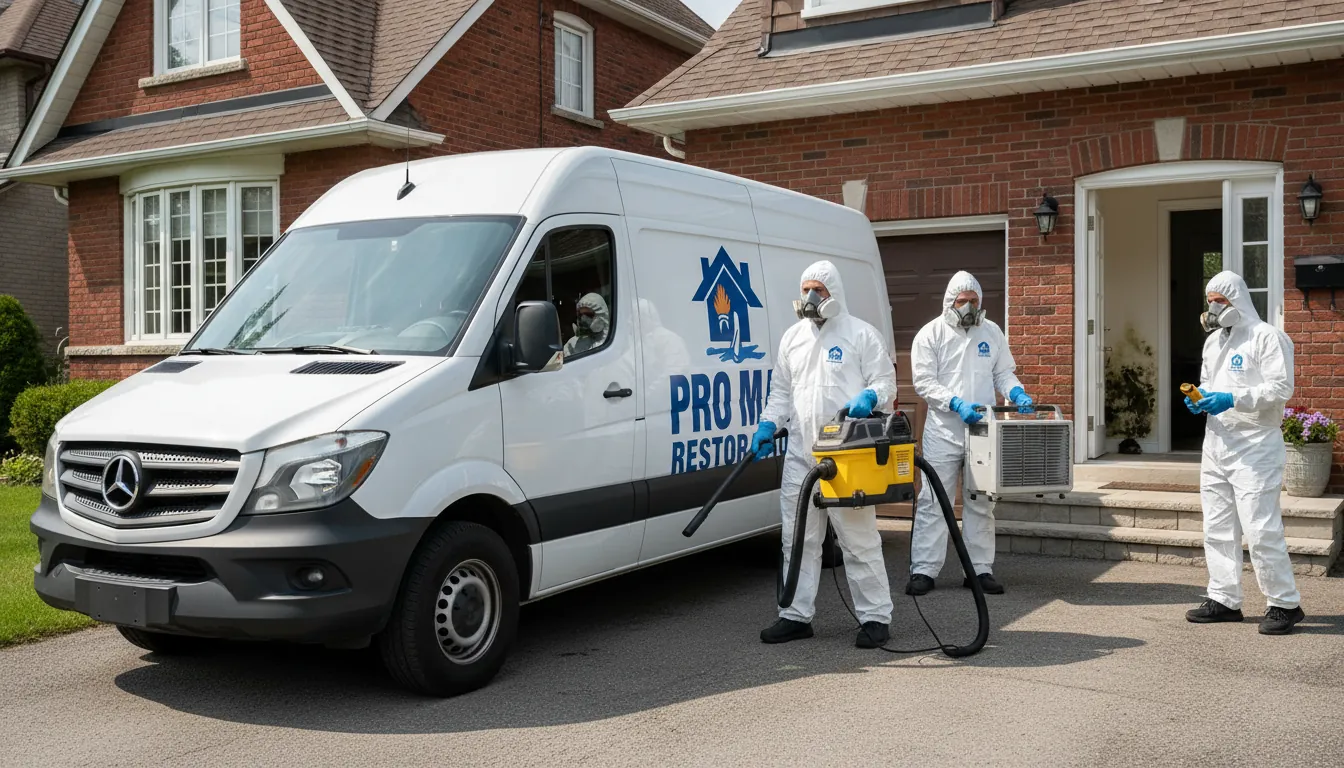
Mold Removal in Action
See our certified team delivering professional mold removal services across Toronto and the GTA.
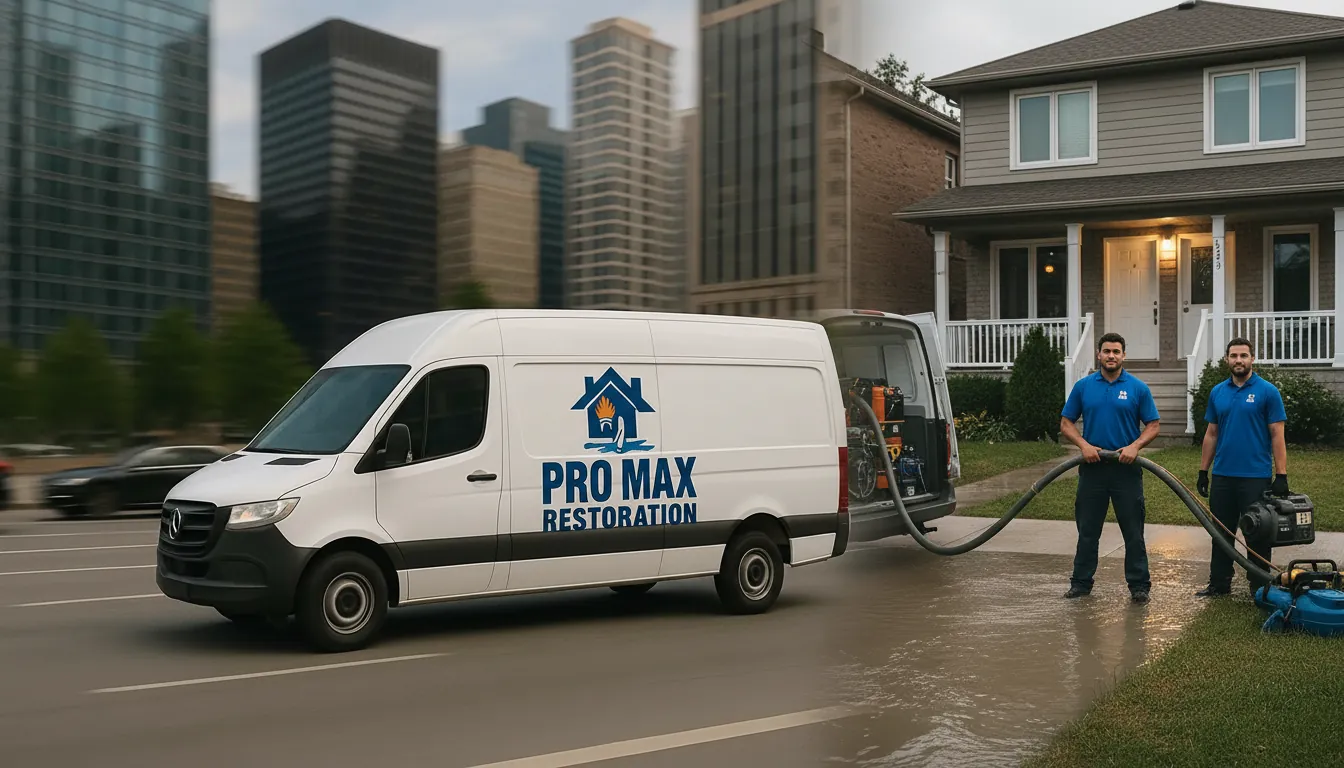
Our Mold Removal Process
Step-by-step breakdown of how our team handles mold removal from initial call to final walkthrough.
Comprehensive Mold Inspection
Visual inspection, thermal imaging scan of walls/ceilings/floors, and air quality sampling to identify all mold sources, species, and contamination extent. Free for Toronto & GTA homeowners.
Lab Analysis & Remediation Plan
Air and surface samples sent to accredited Ontario lab for species identification. We develop a detailed IICRC S-520 compliant remediation plan with scope, timeline, and cost estimate.
Containment & Air Scrubbing
Physical polyethylene barriers and negative air machines create sealed containment zones. Industrial HEPA air scrubbers filter 99.97% of airborne spores to prevent cross-contamination.
Safe Mold Removal
Technicians in full PPE remove contaminated materials following IICRC S-520 protocols. EPA-registered antimicrobial fogging eliminates residual spores on all surfaces.
Drying & Source Correction
Industrial dehumidifiers and air movers dry all affected areas to IICRC target moisture levels. We identify and correct the original moisture source—leaks, ventilation, waterproofing—to prevent recurrence.
Clearance Testing & Restoration
Independent third-party air quality testing confirms spore counts are at safe background levels. We then restore walls, flooring, and finishes to pre-contamination condition with full warranty.
Understanding Mold Categories & Health Risks
Not all mold is the same. Understanding the type of mold in your home determines the remediation protocol, health precautions, and urgency of removal.
Allergenic Molds
Risk: ModerateCommon Types: Alternaria, Cladosporium, Aspergillus
The most common molds in Toronto homes, found on bathroom tiles, windowsills, and basement walls. Trigger allergic reactions, asthma attacks, and respiratory irritation. Especially dangerous for children, elderly, and immunocompromised individuals.
Remediation Protocol:
HEPA vacuuming, antimicrobial treatment, ventilation improvement. Typically 1–2 day remediation.
Pathogenic Molds
Risk: HighCommon Types: Aspergillus fumigatus, Cryptococcus
Can cause serious infections in people with weakened immune systems. Found in HVAC ducts, water-damaged drywall, and carpeting. Requires professional containment and removal—DIY cleaning spreads spores and worsens contamination.
Remediation Protocol:
Negative pressure containment, HEPA air scrubbing, full material removal, antimicrobial fogging. 2–4 day remediation.
Toxigenic Molds
Risk: SevereCommon Types: Stachybotrys (Black Mold), Chaetomium
Produces mycotoxins that cause neurological symptoms, chronic respiratory disease, and immune suppression. Black mold requires IICRC S-520 Level 3 remediation with full PPE, sealed containment, and air clearance testing before reoccupancy.
Remediation Protocol:
Full containment, PPE Level C minimum, HEPA filtration, material removal to structural elements, third-party clearance testing. 3–7 day remediation.
Mold Removal Cost Guide for Toronto & the GTA (2024\u20132025)
Transparent pricing based on contamination scope, mold category, and property type. All estimates include inspection, remediation, and clearance testing.
Minor
Under 10 sq ft
$500 – $1,500
Timeline: 1 day
Small bathroom, windowsill, or closet mold. HEPA vacuuming, antimicrobial treatment, and ventilation advice.
Moderate
10–50 sq ft
$1,500 – $4,000
Timeline: 1–2 days
Basement wall section, bathroom ceiling, or HVAC duct contamination. Containment, material removal, and HEPA scrubbing.
Significant
50–200 sq ft
$4,000 – $10,000
Timeline: 2–4 days
Full basement, attic, or multi-room contamination. Full containment, material gutting, air scrubbing, and clearance testing.
Extensive
200+ sq ft
$10,000–$25,000+
Timeline: 4–7+ days
Whole-home contamination, black mold, or commercial property. IICRC S-520 Level 3 protocol with third-party lab clearance.
Most homeowner insurance policies cover mold remediation when caused by a \u201csudden and accidental\u201d water event. We provide direct insurance billing with full Xactimate documentation.
Mold Risk by Toronto Neighbourhood
Different areas of the GTA face different mold risk factors based on housing age, infrastructure, and local conditions.
East York & Danforth
Pre-1950s homes with stone foundations, poor drainage, and no weeping tile. Basement moisture issues are endemic—we see more black mold remediation here than any other Toronto neighbourhood.
Scarborough
1960s–80s split-level homes with aging sump pumps, original cast-iron plumbing, and inadequate attic ventilation. Attic mold from ice damming is a major issue in winter months.
North York & Willowdale
Mixed housing stock with many 1970s townhomes and newer condos. Older homes have bathroom ventilation issues; condos face HVAC duct contamination from shared systems.
Etobicoke & Mississauga
Lakeside properties face higher humidity, while 1980s–90s homes often have original windows that create condensation points and hidden mold behind frames.
Brampton & Vaughan
Newer construction (post-2000) with energy-efficient building envelopes that trap moisture when not properly ventilated. Basement mold from construction moisture is common in homes under 10 years old.
Downtown Toronto
Victorian-era rowhouses, century homes, and aging condo buildings. Shared walls trap moisture, heritage buildings resist modern waterproofing, and basement apartments frequently have concealed mold.
Mold Removal Questions & Answers
Common questions Toronto homeowners ask about our mold removal services.
Q. How do I know if I have a mold problem?
Warning signs include a persistent musty odour, visible black/green spotting, peeling paint, and worsening allergy or asthma symptoms indoors. If you suspect hidden mold we offer air-quality and surface testing to confirm the species and extent before any work begins.
Q. Is black mold in my Toronto home dangerous?
Stachybotrys chartarum ("black mold") can release mycotoxins linked to respiratory irritation, headaches and allergic reactions. We never recommend DIY removal of significant growth — disturbing it spreads spores. Our containment and HEPA filtration keep spores from spreading during removal.
Q. How much does mold removal cost?
Small, contained jobs often start around $500–$1,500, while larger remediations with extensive containment and reconstruction can run several thousand dollars. Pricing depends on the affected area, accessibility and whether the moisture source must also be repaired. You receive a written quote after inspection.
Q. What is the mold removal process?
We follow the IICRC S520 standard: inspection and testing, HEPA-filtered containment with negative air pressure, physical removal of affected materials, antimicrobial treatment, and post-remediation clearance testing to confirm the air is safe before we rebuild.
Q. Will the mold come back?
Mold only returns if the moisture source remains. That's why we identify and fix the underlying cause — a leak, condensation or flooding — as part of every job, often alongside our leaking basement or water damage services.
Q. What equipment do you use during mold removal?
Mold removal relies on physical containment barriers and negative air machines to seal off the work area, HEPA filtered air scrubbers and vacuums to capture spores from the air and surfaces, and moisture meters to confirm the underlying dampness has actually been resolved. This equipment is what separates certified mold remediation from a homeowner simply wiping down a wall with bleach.
Q. What certifications should a mold remediation company have?
Look for a mold remediation company certified to IICRC S-520, the industry standard for professional mold remediation, which is the certification our technicians hold. This ensures containment, HEPA filtration, and clearance procedures follow a recognized protocol rather than an informal approach, which matters both for your health and for how insurers and buyers evaluate the work later.
Q. Can you do mold removal on short notice or weekends?
Yes, we schedule mold removal on short notice, including weekends, especially when mold is linked to an active leak or recent water damage that needs urgent attention. Call 416-988-3539 and we typically arrange an inspection within a day or two, with containment often set up on the same visit once the affected area is confirmed.
Q. What happens to my belongings if they have mold on them?
Belongings with mold on them are assessed individually rather than thrown out automatically, since porous items like drywall and carpet usually cannot be saved but furniture, clothing, and hard surfaces often can. Salvageable items are HEPA vacuumed and cleaned with antimicrobial treatments outside the containment area, then re-inspected before they are returned to your home.
Q. What paperwork do I get after mold removal for insurance or a home sale?
After mold removal you receive a written scope of work, photos of the affected areas, and documentation of the containment and disinfection process, which can be provided to your insurer or included with home sale disclosures. Where a third party clearance test is arranged, that report is issued separately and can be shared alongside our completion paperwork.
Q. Do I need mold testing before remediation?
Not always. Where mold is clearly visible and the moisture source is identified, testing adds cost without changing the remediation plan, and IICRC guidance supports removing visible growth regardless of species. Testing is genuinely useful in three situations: when there is a musty smell but no visible growth, when a health complaint or a real estate transaction requires documentation, and as post-remediation clearance to verify the work before reoccupancy.
Q. Can I just paint or bleach over mold on a basement wall?
No, and both approaches commonly make things worse. Bleach is largely water and is ineffective on porous materials because it does not penetrate to reach the root structure within drywall or wood, while mold-resistant paint seals growth in rather than removing it, allowing it to continue spreading behind the coating. Effective remediation removes the contaminated material under containment and, critically, corrects the moisture source that fed it.
Q. How long after a water leak does mold start growing?
Typically within 24 to 48 hours of sustained moisture on an organic surface such as drywall paper, wood framing, carpet underlay or cardboard. Growth becomes visible days later, but colonisation begins well before anything is apparent. This is the entire reason professional structural drying exists as a discipline: removing the moisture inside that window prevents remediation being needed at all, which is far cheaper than treating it afterwards.
Q. Is mold remediation covered by home insurance in Ontario?
It depends entirely on the cause. Mold resulting from a sudden and accidental covered water loss, such as a burst pipe, is often covered as part of that claim, though many Ontario policies cap the mold portion. Mold arising from a gradual leak, chronic humidity, seepage or deferred maintenance is generally excluded. Documenting the originating water event thoroughly is what determines which category your claim falls into.
Q. What is post-remediation clearance testing and do I need it?
Clearance testing is an independent verification, usually air sampling analysed by a third-party laboratory, confirming that spore levels inside the remediated area are comparable to outdoor baseline before containment is removed. It is worth doing for larger remediations, for any project where occupants have health sensitivities, and for real estate transactions where a buyer or lender wants documented proof the work was completed properly.
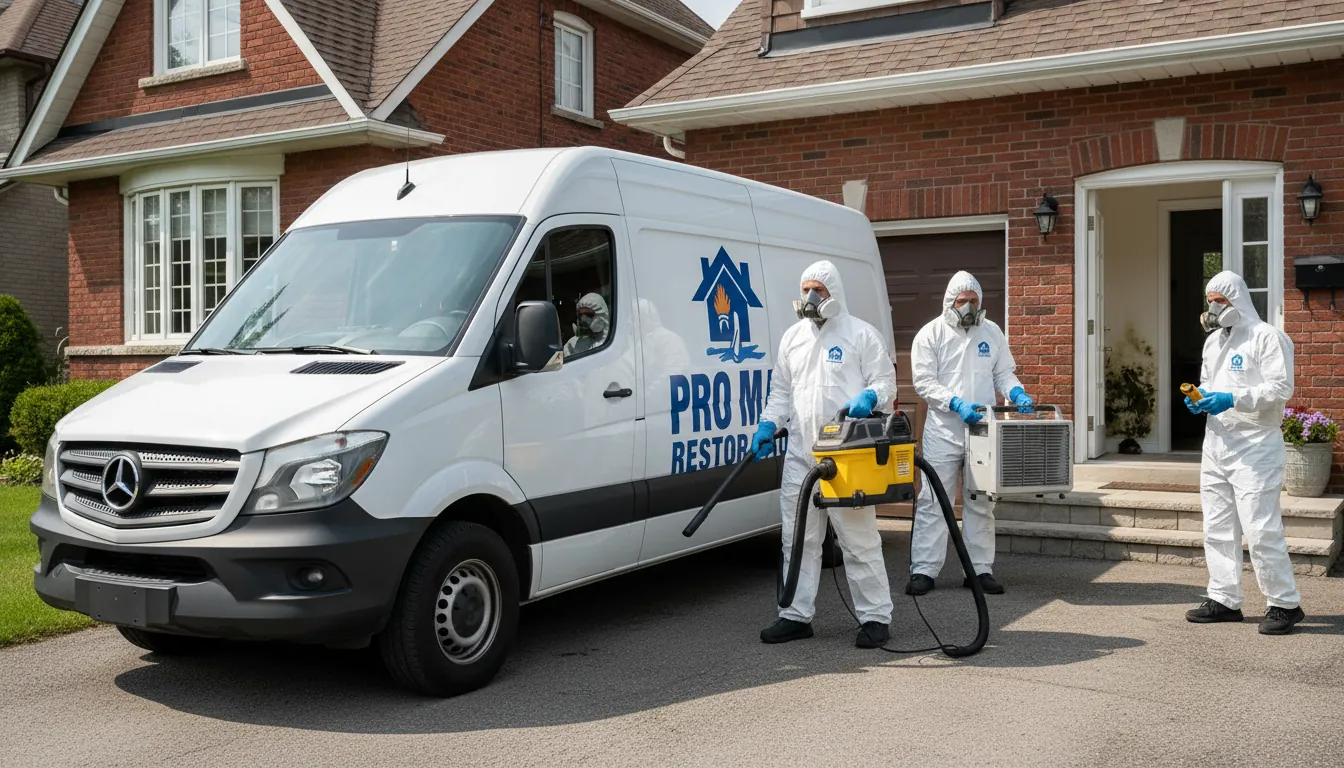
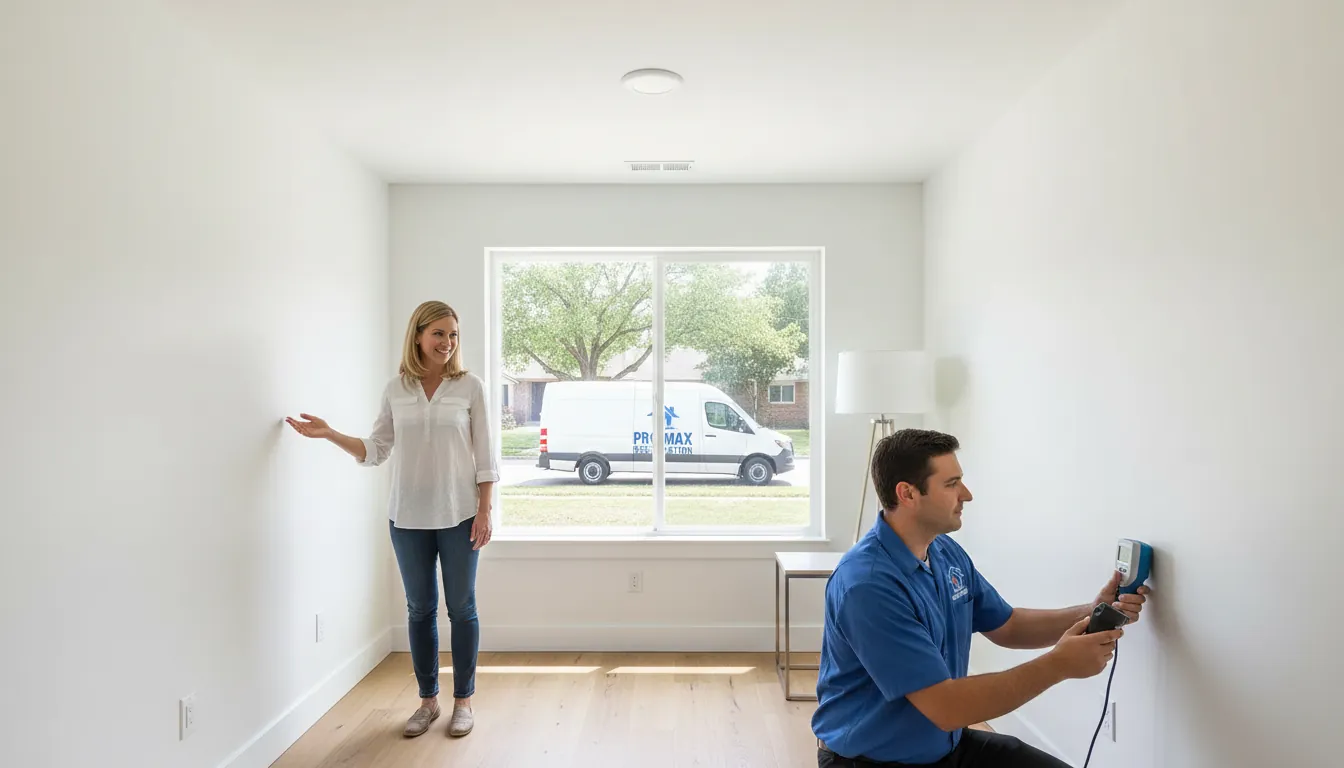
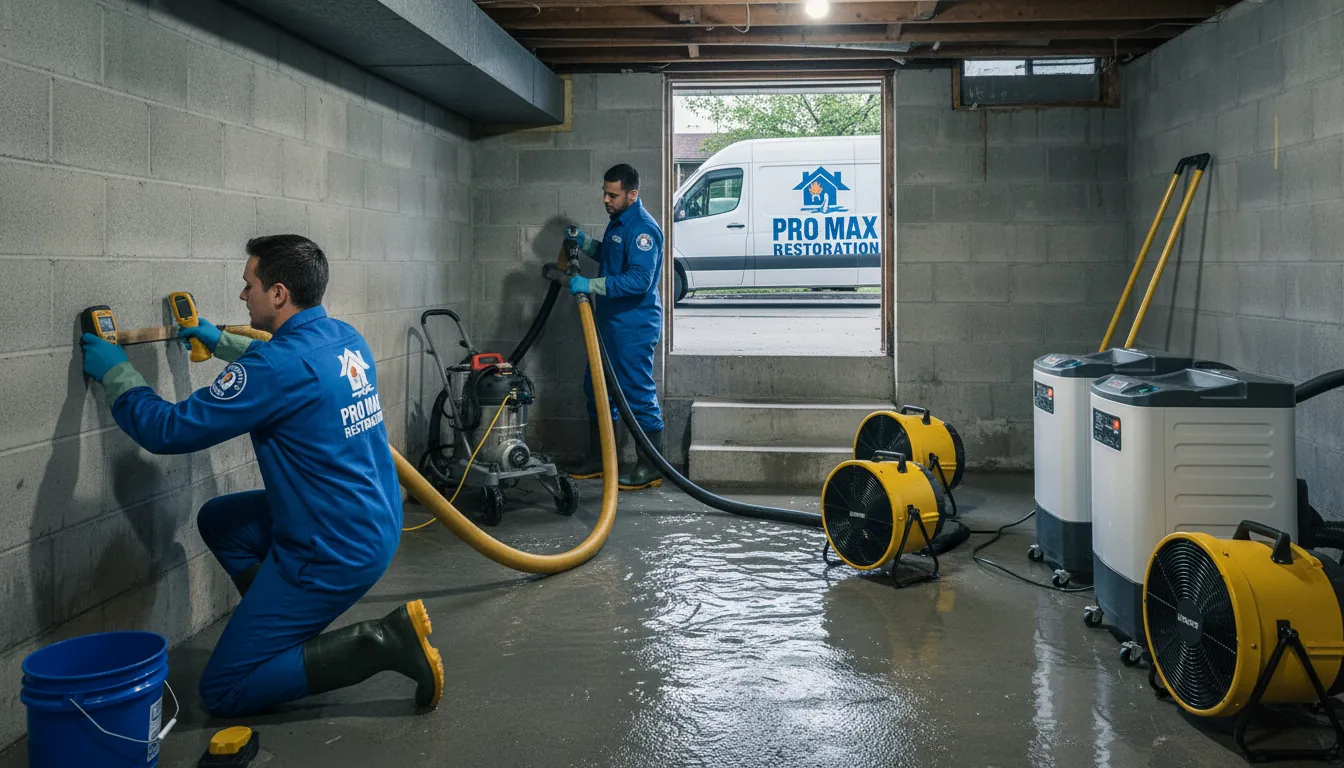
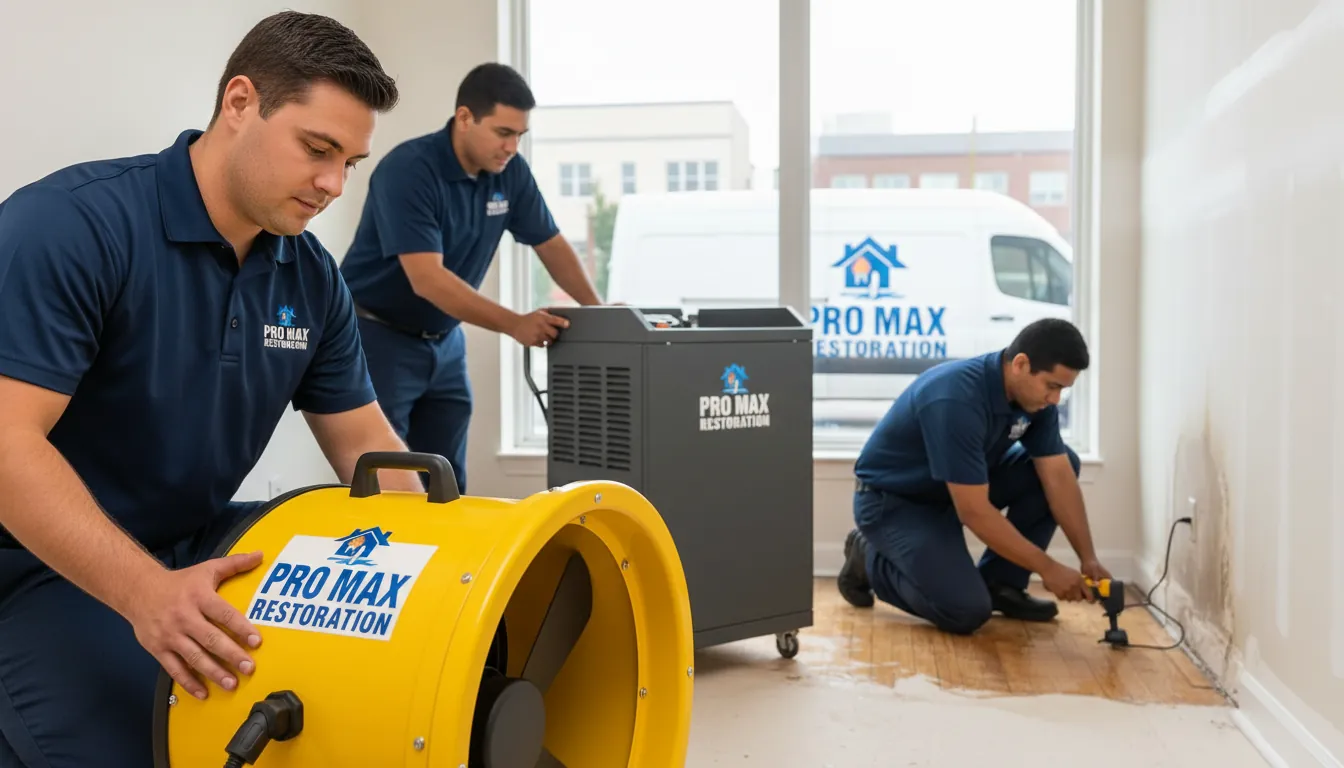
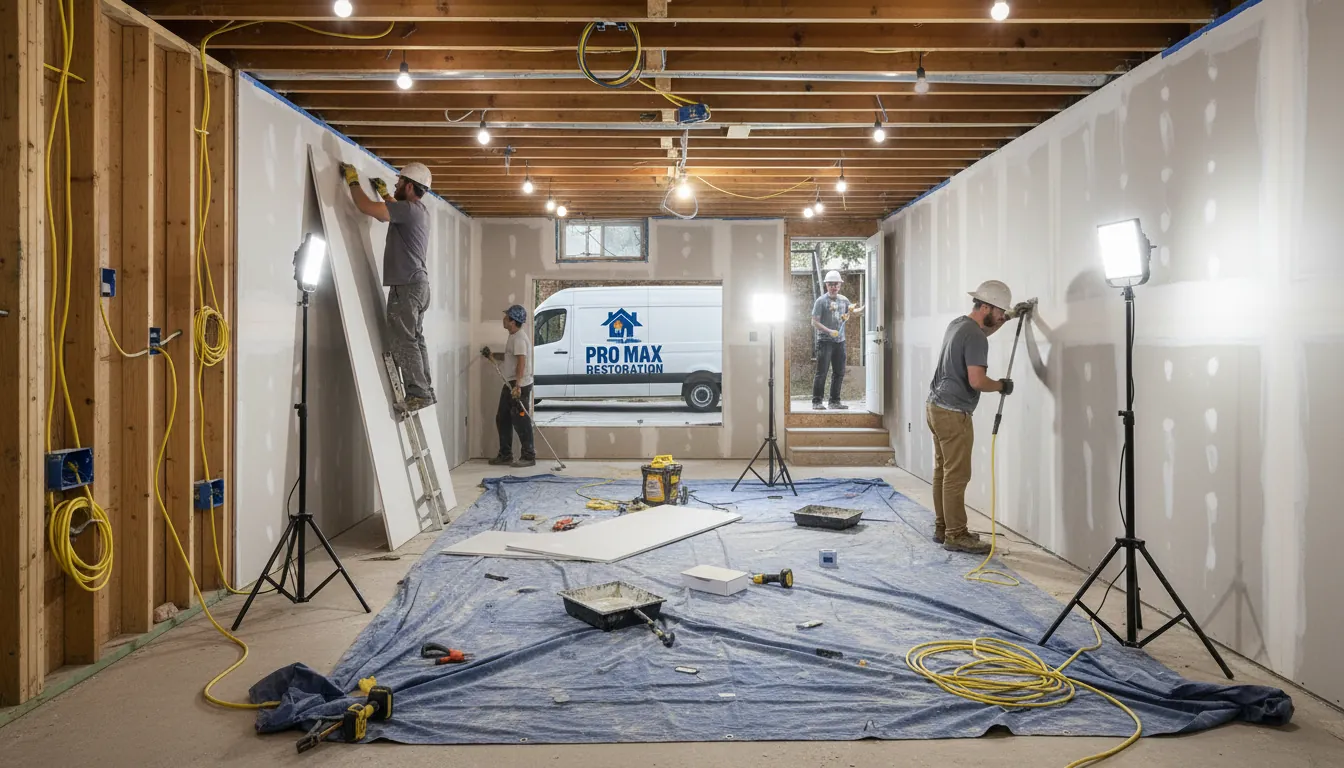
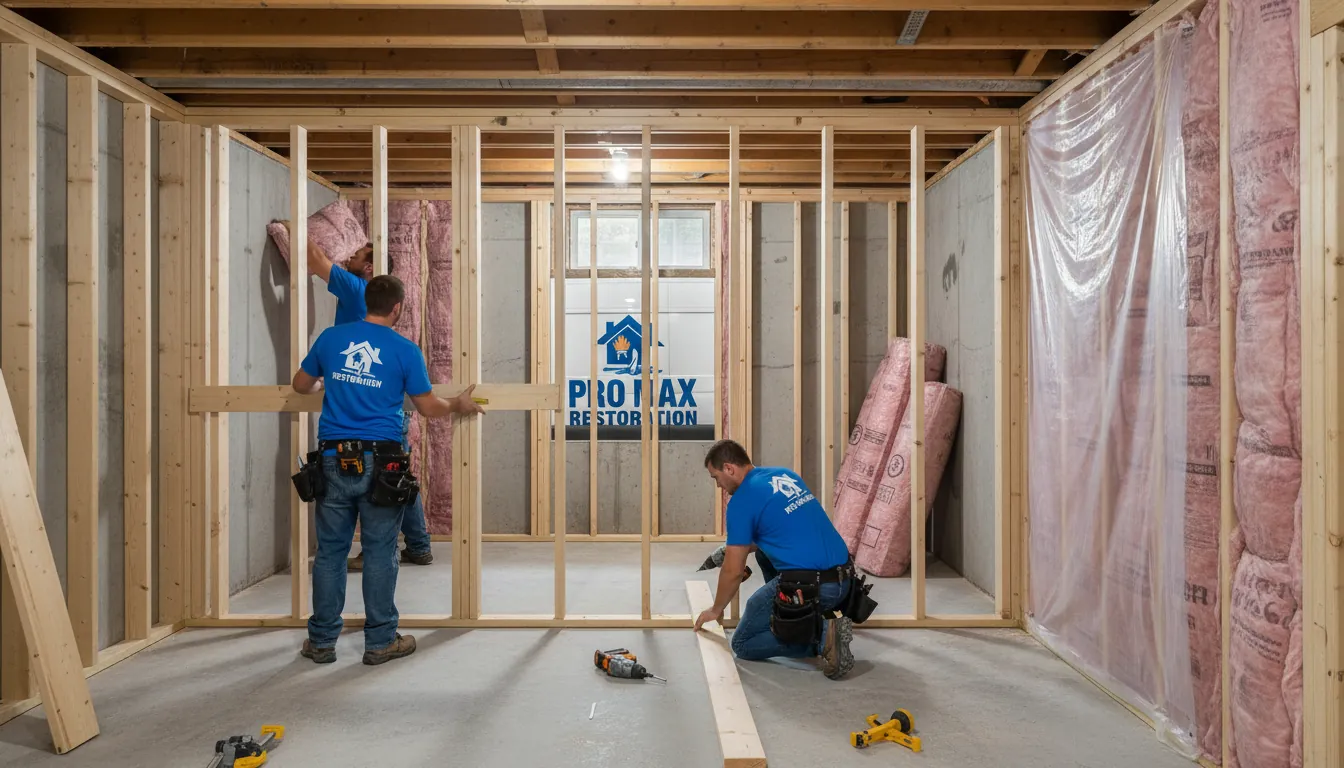
Recent Mold Removal Projects Across Toronto & the GTA
A look at real mold removal work completed by our IICRC-certified crews across Toronto and the Greater Toronto Area.
The Standards We Work To
Our content is written and reviewed by the Pro Max Restoration technical team, the same IICRC-certified technicians who carry out water damage restoration, mold remediation and fire damage recovery across Toronto and the GTA every day. Guidance on this site reflects the IICRC S-500 and S-520 standards and what we see on real GTA properties, not generic advice.
IICRC S-500 Certified
The ANSI-approved Standard for Professional Water Damage Restoration. It governs how water losses are categorised, how structures are dried and how "dry" is verified with moisture readings rather than guesswork.
IICRC S-520 Certified
The ANSI-approved Standard for Professional Mold Remediation. It governs containment, negative air pressure, HEPA filtration, safe removal of affected materials and post-remediation verification.
Ontario O. Reg. 278/05 Compliant
Asbestos abatement is carried out to Ontario Ministry of Labour regulation O. Reg. 278/05, covering Type 1, 2 and 3 operations, air monitoring and disposal at licensed facilities.
Licensed & Fully Insured
We are a licensed and insured Ontario restoration contractor, and we carry the coverage required to work in occupied homes, condominiums and commercial properties.
Direct Insurance Billing
We bill Intact, Aviva, Desjardins, TD Insurance, Wawanesa, Co-operators and other major Canadian carriers directly, and we document every loss to the standard adjusters expect.
Calibrated Measurement, Not Guesswork
Every job uses FLIR thermal imaging and calibrated moisture meters, with daily readings logged until materials reach the IICRC dry standard. You receive that documentation.
How this guidance is written, measured and corrected: our editorial standards.
Restoration Services Across the GTA
We respond to emergencies in 45 minutes across the Greater Toronto Area. Explore our dedicated city pages or request a free quote.
Suspect Mold in Your Toronto Home? Get a Free Inspection
Our certified technicians arrive on-site within 45 minutes. Don't wait—call now for immediate assistance.