
Mold Removal in Richmond Hill
From Oak Ridges and Lake Wilcox on the moraine to Bayview Hill and Mill Pond, Pro Max Restoration removes attic, basement and cold cellar mold across Richmond Hill to the IICRC S-520 standard.
Last updated:
Trusted Mold Removal in Richmond Hill
Richmond Hill straddles two very different landscapes. The southern half, from Langstaff and South Richvale up through the old village core along Yonge Street, sits on the clay plain that covers much of the GTA. The northern half climbs onto the Oak Ridges Moraine, a ridge of sand and gravel that stores enormous amounts of groundwater and feeds the headwaters of the Rouge River and the Don. Kettle lakes such as Lake Wilcox and Bond Lake are the visible sign of how close water sits to the surface in Oak Ridges and nearby neighbourhoods. For homeowners, that means basements that depend heavily on sump pumps and drainage, and it is one reason mold removal in Richmond Hill so often starts in the lowest level of the house.
The housing stock adds another layer. Crosby, Harding and the Richvale areas have 1950s to 1970s bungalows and split-levels. Mill Pond, Bayview Hill, Devonsleigh and Doncrest grew through the 1980s and 1990s with large two-storey homes, and Jefferson, Westbrook, Oak Ridges, Rouge Woods and the Observatory lands added big new builds from the 2000s onward. Large homes mean large attics with complicated roofs, oversized finished basements that are hard to condition evenly, and cold cellars under the front porch. Attic mold in Richmond Hill, cold cellar mold and basement mold removal are the three calls we take most here, and each has a different cause and fix.
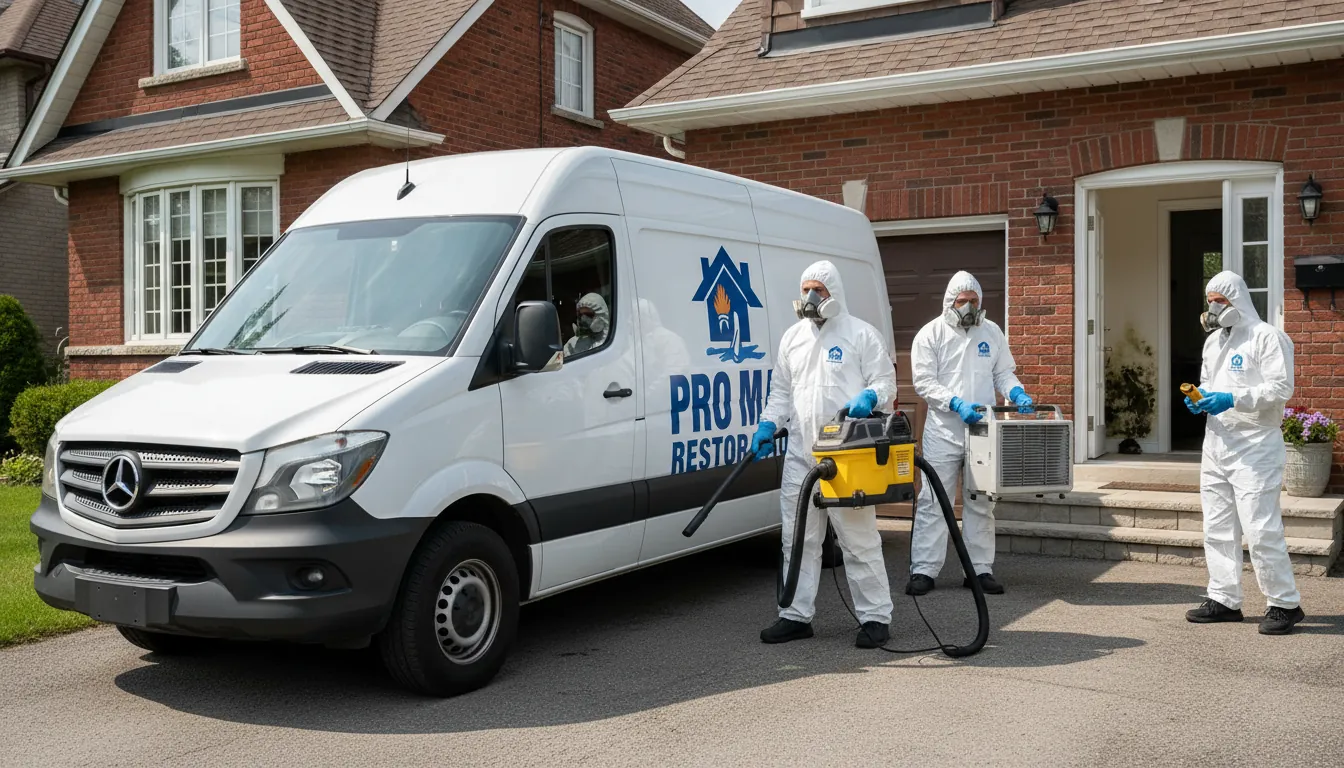
Pro Max Restoration carries out mold remediation in Richmond Hill to the IICRC S-520 standard. A mold inspection with thermal imaging and calibrated moisture meters finds the source; testing confirms the extent where needed; HEPA containment under negative air protects the rest of the home; and post-remediation clearance testing verifies the result before rebuilding. Black mold removal follows the same process with stricter controls. Our North York head office is a short drive down Highway 404 or Yonge Street, crews are on call 24/7 with a typical 45-minute response, and we bill insurers directly when mold follows a covered water loss.
- Experienced with moraine groundwater, sump-dependent basements and cold cellar condensation
- Attic inspections for complex roofs, skylights and vaulted ceilings common in larger homes
- Thermal imaging and moisture meters to trace water behind finished media rooms and built-ins
- IICRC S-520 remediation with HEPA containment, negative air and clearance testing
- Written documentation for insurers, home sales and future buyers
- 24/7 crews from our North York head office with a typical 45-minute response
Common Causes of Mold Growth in Richmond Hill
After 600+ GTA restoration projects, we know exactly how Richmond Hill homes are affected — and how to fix it for good.
Moraine Groundwater and Sump Reliance
On the Oak Ridges Moraine, groundwater can sit close to the foundation for much of the year. Many homes in Oak Ridges, Jefferson and around Lake Wilcox rely on sump pumps that cycle constantly in spring. A failed pump, a power outage or a blocked discharge line can wet a finished basement within hours, and incomplete drying leads to mold.
Complex Roofs and Leaky Ceilings
Larger Richmond Hill homes often have multiple hips and valleys, skylights, vaulted ceilings and dozens of recessed lights. Each is a path for warm, moist household air to reach the attic. In cold weather that moisture frosts on the sheathing, melts on mild days and drives mold growth across the roof deck.
Cold Cellars Under Porches
The cold room beneath the front porch is a classic Richmond Hill mold hotspot. Concrete that stays cold year-round, a porch slab membrane that leaks, and a poorly insulated door or wall between the cold room and the heated basement create steady condensation on framing, shelving and stored items.
Oversized Finished Basements
Home theatres, gyms and guest suites in large basements are often served by only a few supply and return vents. Corners stay cool and air sits still, humidity climbs in summer, and mold appears behind media walls, under carpet and inside closets built against the foundation.
Ageing South-End Homes
Bungalows and split-levels from the 1950s to 1970s in Crosby, Harding and Richvale often still have original drain tile, older windows and basements finished decades ago. Slow foundation seepage and window condensation feed hidden growth behind panelling and drywall.
Mold almost always traces back to a moisture source — a leaking basement, a past water damage event, or poor ventilation. We fix the source and verify the air — request a free quote.
Attic, Cold Cellar and Basement Mold in Richmond Hill Homes
The Oak Ridges Moraine is one of the most important groundwater features in southern Ontario, and Richmond Hill sits right on it. Its sand and gravel layers soak up rain and snowmelt and release it slowly, which is valuable for streams and wells but challenging for foundations. In Oak Ridges, Jefferson and the areas around Lake Wilcox, groundwater can rise close to basement level in spring. Many homes rely on perimeter weeping tile draining to a sump pit, with the pump running frequently for weeks at a time. When the system works, basements stay dry. When a pump burns out, a float sticks or the discharge line freezes, water can cover a finished floor before anyone notices, and mold follows if the space is not dried to a measured standard.
Attic mold is the second major pattern. Richmond Hill homes built from the 1980s onward are often large, with complicated roof lines, cathedral and vaulted ceilings, skylights and many recessed lights. Every penetration in the ceiling is a potential air leak, and in winter the house acts like a chimney, pushing warm, moist air into the attic. Vaulted sections have little room for ventilation, and skylight shafts and hip valleys often trap moisture. The result is frost on the sheathing during cold snaps, then melt, then mold. We inspect attics with attention to these weak points, remove or clean affected wood under containment, and recommend air sealing and ventilation corrections so the roof deck stays dry.
Cold cellars deserve special mention. The room under the front porch was once intended for storing preserves and root vegetables, and in modern homes it is usually a concrete box with the porch slab as its roof. If the membrane over that slab has failed, water drips in. If the wall and door separating the cold cellar from the finished basement are uninsulated or leaky, warm, humid air from the house meets cold concrete and condenses. We regularly find mold on the cold cellar door, the framing around it, wooden shelving and cardboard boxes. The fix is not just cleaning; it requires deciding whether the room stays cold and vented to the outside or becomes part of the conditioned basement.
Finished basements in larger Richmond Hill homes are often designed around entertainment: home theatres with fabric panels, gyms with rubber flooring, wine rooms, bars and guest suites. These spaces are frequently under-served by the heating and cooling system, so air sits still in the corners and summer humidity rises. Stud walls built against the foundation, carpet on concrete and built-in furniture against exterior walls give mold hidden places to grow. Our inspection uses thermal imaging to find cool, damp areas behind finishes and moisture meters to confirm them, which lets us target removal instead of tearing out an entire media room on suspicion.
Richmond Hill also has older neighbourhoods in the south end where the problems look more like those of Toronto's postwar suburbs: 1950s to 1970s bungalows with original drain tile, older windows that stream with condensation in winter, and basements finished long ago with panelling over bare concrete. Wherever the property sits, the process is consistent. We identify and correct the moisture source, contain the work area with HEPA filtration and negative air, remove what cannot be cleaned, treat and clean what remains, and confirm the result with post-remediation clearance testing. With more than 15 years of restoration experience and over 600 GTA projects, our team adapts that process to each Richmond Hill home.
Selling or Buying in Richmond Hill: Handling Mold Before Closing
Mold often surfaces during a home sale, when a buyer's inspector opens the attic hatch, checks the cold cellar or runs a moisture meter along basement walls. For sellers, dealing with known problems before listing avoids last-minute renegotiation. A remediation completed to the IICRC S-520 standard, with clearance testing and a written record of what was done and why, gives buyers and their inspectors something concrete to review instead of a vague assurance.
If mold is found after you have accepted an offer, move quickly. Book an inspection to establish the source and extent, obtain a written scope and estimate, and share the findings with your agent. Buyers and sellers can then decide whether to complete the work before closing, adjust the price or hold funds back. Disclosure obligations vary with the circumstances, so talk to your real estate lawyer or agent about what needs to be disclosed.
Buyers should look for the patterns described on this page: fresh paint or new drywall in one corner of an otherwise older basement, a cold cellar that smells musty, dark staining around attic bathroom fan outlets or skylight shafts, and a sump pump that looks old or has no backup. A mold inspection with moisture mapping during the conditional period can clarify whether these are cosmetic issues or signs of an active moisture problem.
Whichever side of the transaction you are on, keep the documentation. Records of remediation, clearance results, sump pump replacements and ventilation upgrades are useful for future insurance claims and your next sale, and they show that the property has been maintained with moisture control in mind.
Signs You Need Mold Removal in Richmond Hill
Mold often grows out of sight, behind drywall and under flooring, long before you see it. If you notice any of the following in your Richmond Hill home, book a professional mold inspection before the problem spreads further.
- A persistent musty or earthy smell that never fully goes away
- Visible black, green or white spotting on walls, ceilings or grout
- Peeling paint, bubbling wallpaper or discoloured drywall
- Condensation on windows and consistently high indoor humidity
- Worsening allergy, asthma or respiratory symptoms that ease when you leave the house
- Any previous flood, leak or water damage that was not professionally dried
Emergency Mold Help in Richmond Hill
Our IICRC-certified crews are on call 24 hours a day, 365 days a year and reach Richmond Hill in about 45 minutes with the equipment to stop the damage immediately.
Our Mold Removal Process in Richmond Hill
Every Richmond Hill mold remediation follows the IICRC S-520 standard, from testing and containment through clearance verification, so the mold is removed safely and does not come back.
Inspection & Mold Testing
We inspect the affected areas of your Richmond Hill property and carry out air-quality and surface sampling to confirm the mold species, including black mold (Stachybotrys chartarum), and establish exactly how far the growth has spread before any work begins.
Finding the Moisture Source
Mold is always a moisture problem first. Using thermal imaging and moisture meters we trace the water behind the growth, whether that is a foundation leak, a past flood, plumbing seepage or condensation from poor ventilation.
HEPA Containment & Negative Air
We seal the work area and run HEPA-filtered negative air pressure so spores cannot spread into clean parts of your Richmond Hill home during removal. This step is never optional; disturbing mold without containment makes the problem significantly worse.
IICRC S-520 Mold Remediation
Affected porous materials are removed and bagged for safe disposal, and salvageable surfaces are HEPA-vacuumed and cleaned to the IICRC S-520 standard, the recognised benchmark for professional mold remediation in North America.
Antimicrobial Treatment & Drying
We apply antimicrobial treatments to treated surfaces and dry the area thoroughly with commercial dehumidification, because residual moisture is the single reason remediated mold ever returns.
Clearance Testing & Rebuild
Post-remediation verification testing confirms the air in your Richmond Hill home is safe before we rebuild. You receive documented clearance results, and our team restores any drywall, insulation and finishes that had to be removed.
Why Richmond Hill Property Owners Choose Pro Max for Mold Removal
15+ years, 600+ restored GTA properties and a perfect 5-star Google rating, backed by the certifications and insurance relationships that matter when it is your home on the line.
IICRC-Certified Technicians
Every Richmond Hill job is led by technicians certified to the IICRC S-500 water damage and S-520 mold remediation standards, the benchmarks Canadian insurers recognise and expect.
45-Minute Emergency Response
We answer the phone 24 hours a day, 365 days a year and reach Richmond Hill properties in about 45 minutes, because the first 24 to 48 hours decide whether materials are dried and saved or demolished and replaced.
Direct Insurance Billing
We document every loss with photographs and moisture readings and bill Intact, Aviva, Desjardins, TD Insurance, Wawanesa, Co-operators and all other major Canadian carriers directly, so covered work costs you nothing beyond your deductible.
One Company, Start to Finish
Emergency extraction, structural drying, mold prevention and the complete rebuild are all handled in-house. One company, one warranty and no coordinating three different contractors while your Richmond Hill home sits damaged.
15+ Years and 600+ Properties
We have restored more than 600 properties across the Greater Toronto Area since 2009 and hold a perfect 5.0 Google rating, so you are trusting your Richmond Hill home to a team that has genuinely seen it all.
Written Estimates, No Surprises
You receive a clear, itemised written estimate before work begins, and we review the scope directly with your adjuster so there are no disputed line items or unexpected costs at the end of the project.
Mold Removal Service Areas Across Richmond Hill
We provide fast, mold removal in every Richmond Hill neighbourhood, including:
Recent Mold Removal Projects in Richmond Hill
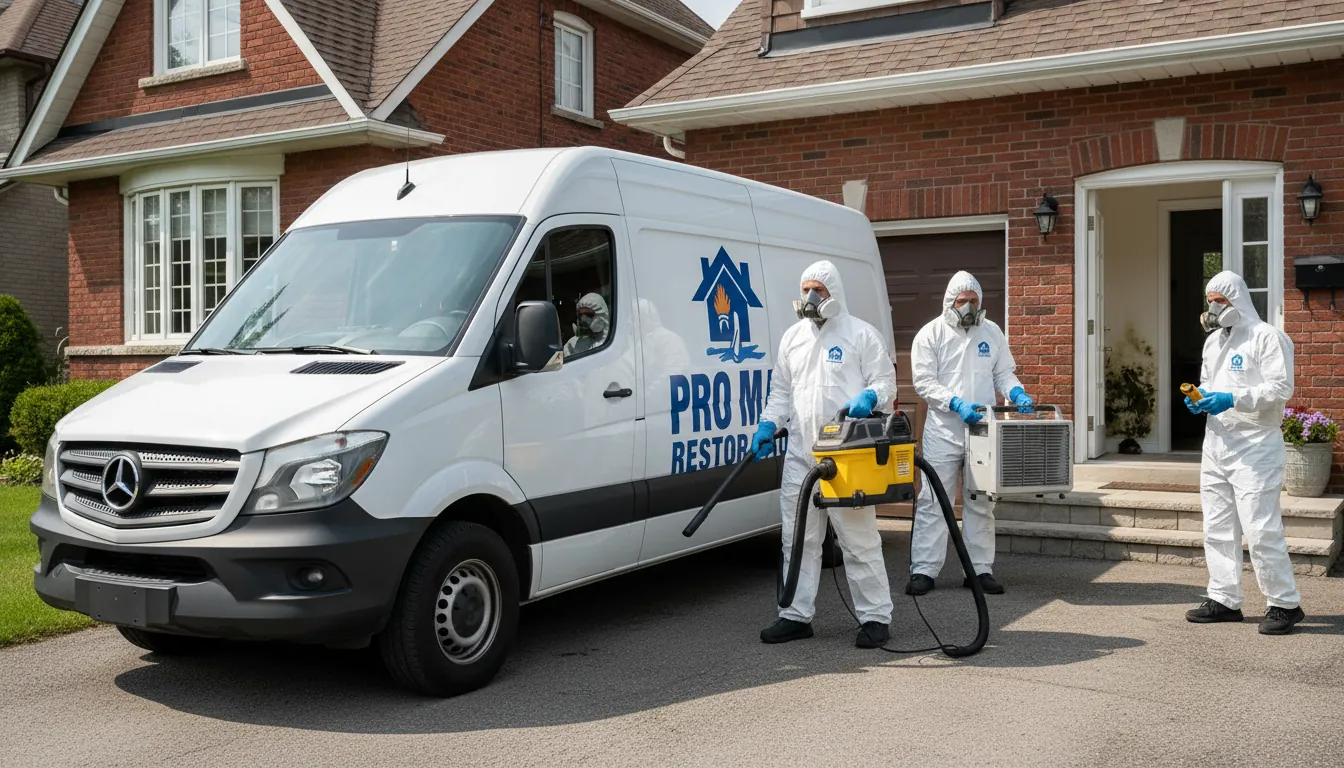
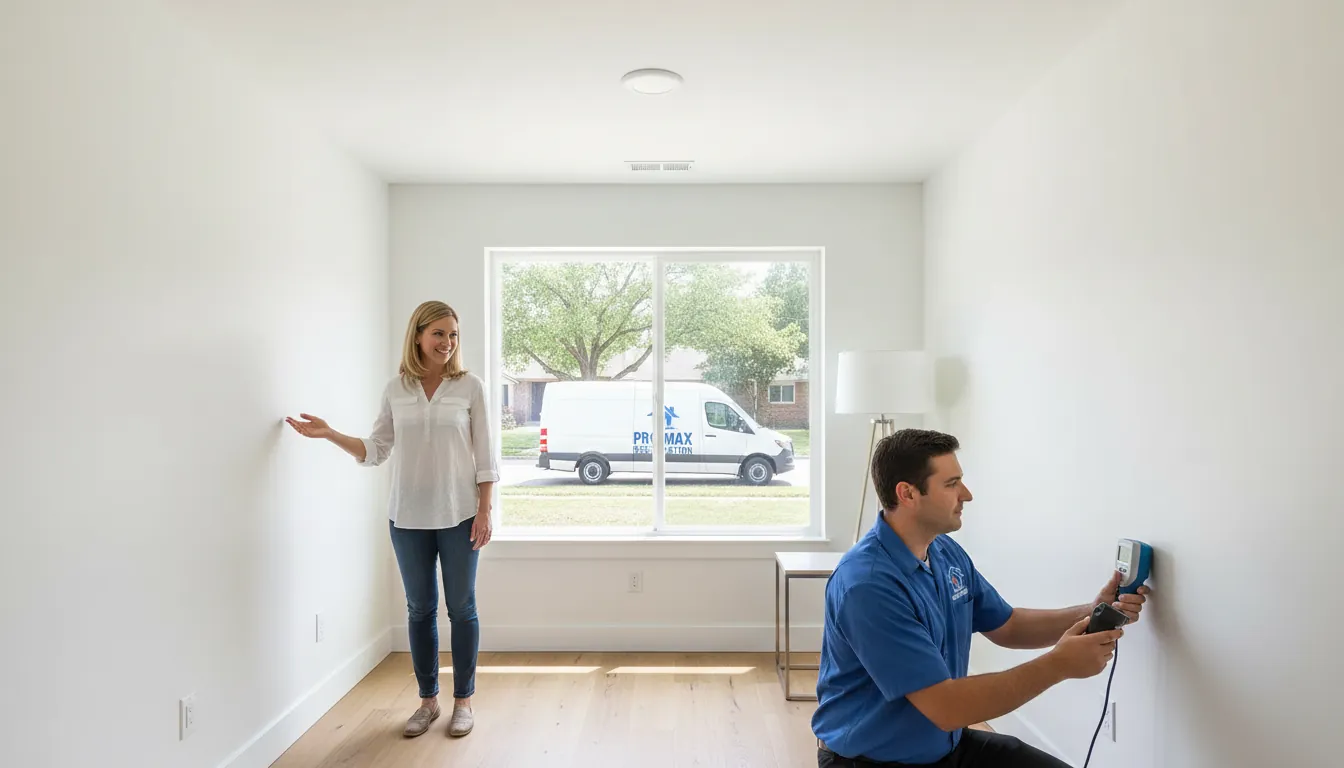
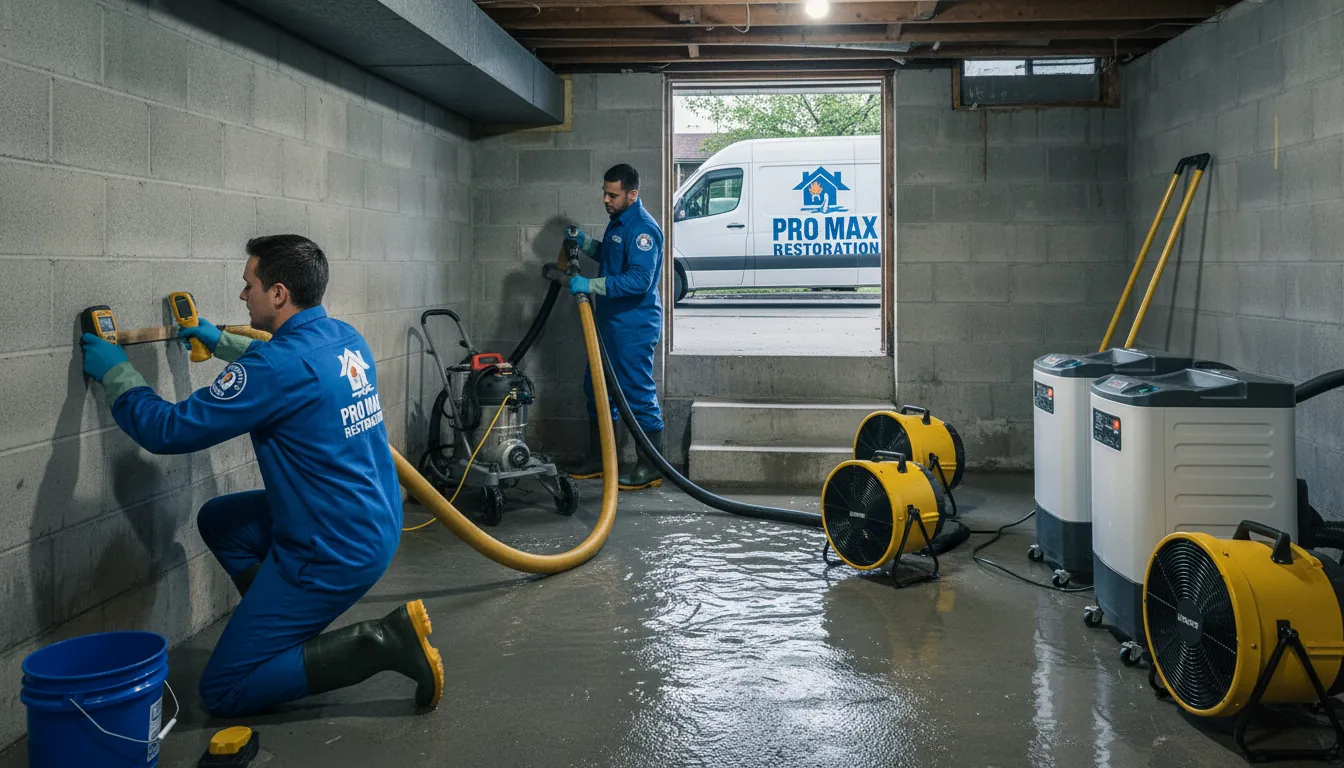
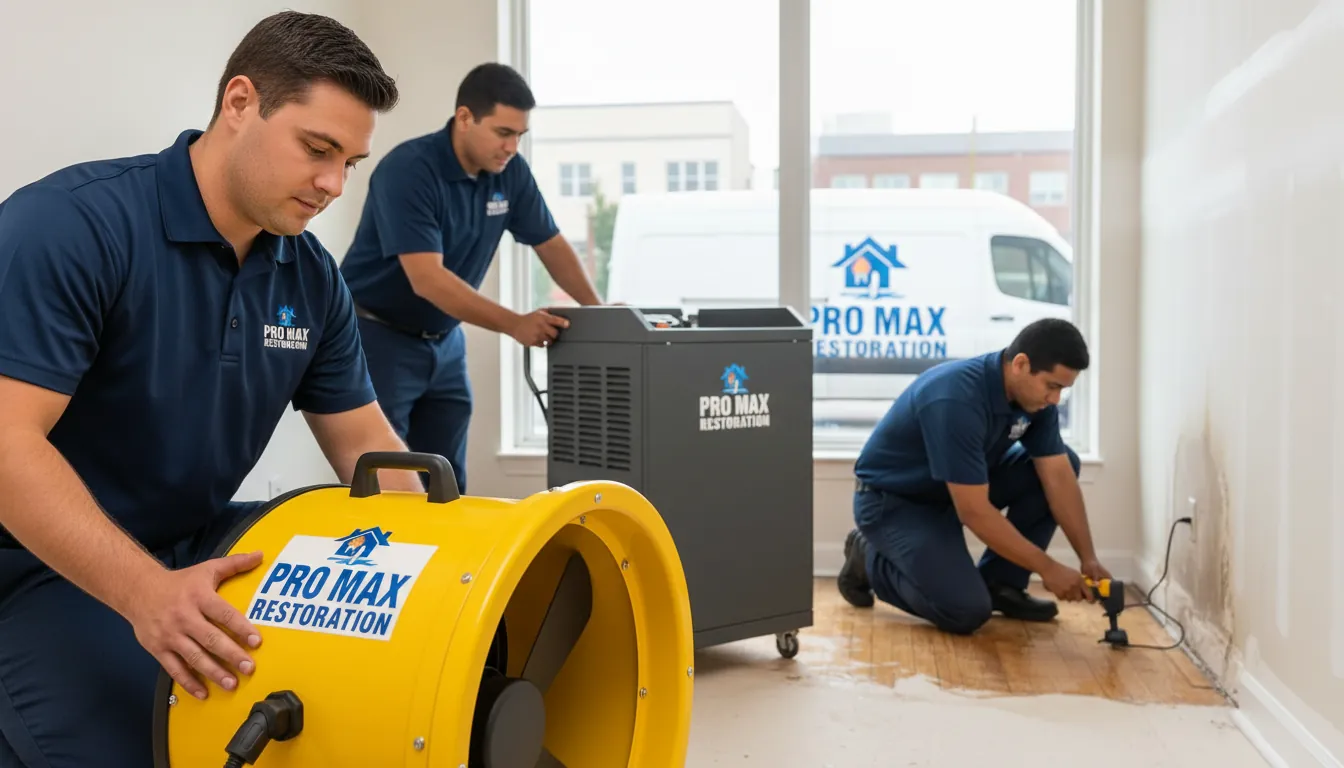
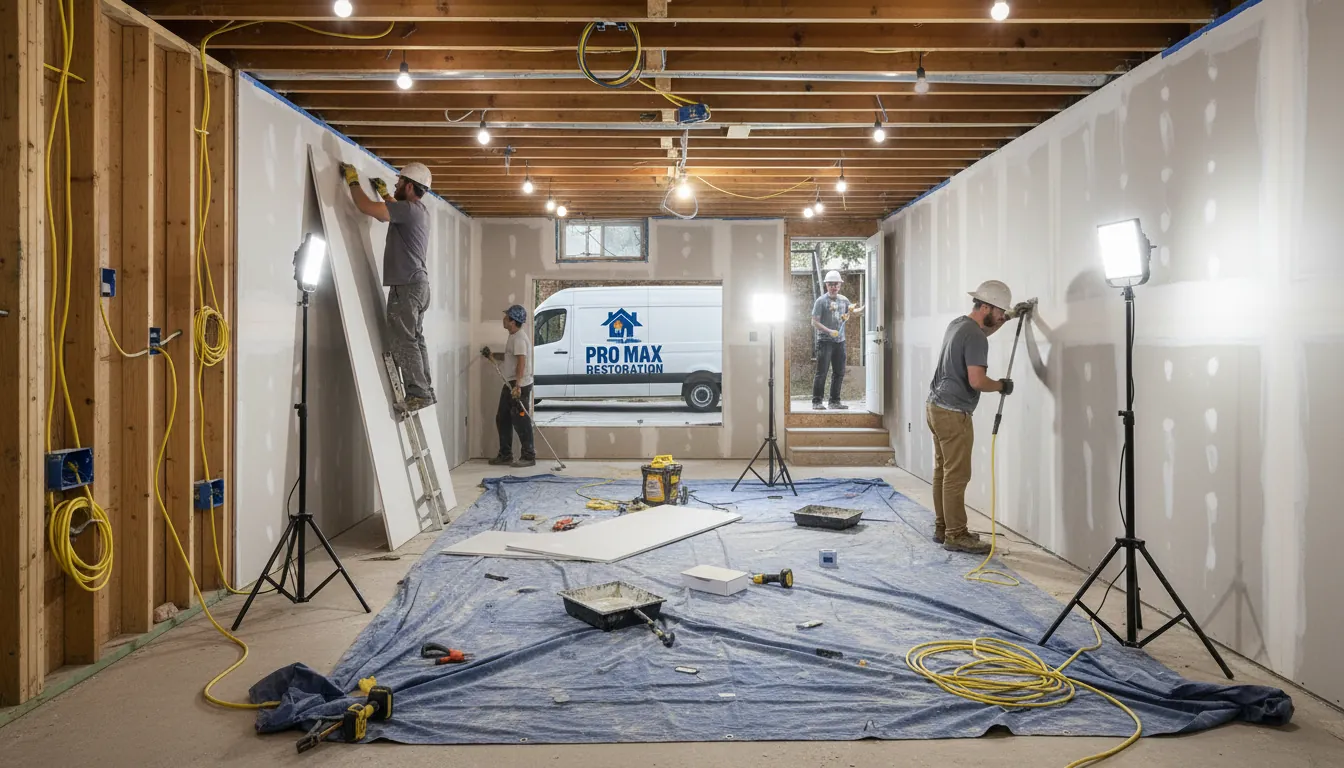
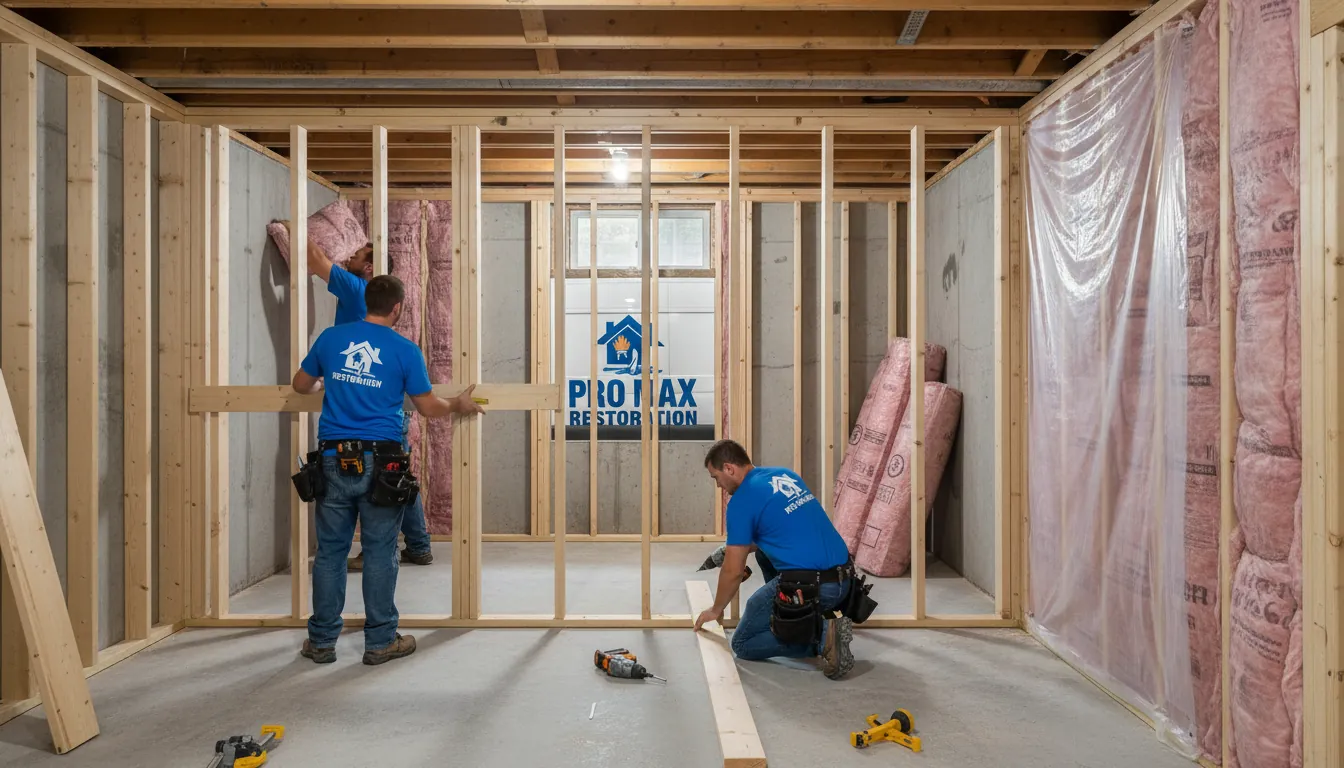
A look at real mold removal work completed by our IICRC-certified crews for homeowners in Richmond Hill and across the Greater Toronto Area.
Complete Restoration Services in Richmond Hill
One company for every emergency — from the first 45-minute response through complete rebuild.
When Richmond Hill Properties Are Most at Risk
Water damage in the Greater Toronto Area is seasonal, and knowing which risk belongs to which month is the cheapest prevention there is. Here is the pattern we see across Richmond Hillyear after year.
Winter
December – MarchFrozen and burst pipes
When temperatures fall below about -20C, water inside uninsulated supply lines freezes and expands, generating pressure that splits copper and PEX. Pipes in exterior walls, unheated garages and crawl spaces fail first, and the leak often runs for hours before anyone notices. This is our single busiest emergency window across Richmond Hill.
Spring
March – MaySnowmelt and saturated ground
Rapid thaw combined with spring rain saturates the ground while it is still partly frozen, so water has nowhere to go but against foundations. Sump pumps run continuously, weeping tile that is cracked or clogged backs up, and any foundation crack in a Richmond Hill home shows itself now.
Summer
June – SeptemberStorm surcharge and sewer backup
Short, intense thunderstorms overwhelm storm and combined sewers faster than they can drain. This is when sewer backups and overland flooding happen, and it is the season when a missing backwater valve costs Richmond Hill homeowners the most.
Autumn
October – NovemberBlocked drainage and appliance failure
Leaves block eavestroughs, downspouts and window wells, sending roof water straight down the foundation. It is also when hot water tanks nearing the end of a 10 to 12 year life tend to let go, and when outdoor hose bibs left connected cause the first freeze-up.
The Standards We Work To
Our content is written and reviewed by the Pro Max Restoration technical team, the same IICRC-certified technicians who carry out water damage restoration, mold remediation and fire damage recovery across Toronto and the GTA every day. Guidance on this site reflects the IICRC S-500 and S-520 standards and what we see on real GTA properties, not generic advice.
IICRC S-500 Certified
The ANSI-approved Standard for Professional Water Damage Restoration. It governs how water losses are categorised, how structures are dried and how "dry" is verified with moisture readings rather than guesswork.
IICRC S-520 Certified
The ANSI-approved Standard for Professional Mold Remediation. It governs containment, negative air pressure, HEPA filtration, safe removal of affected materials and post-remediation verification.
Ontario O. Reg. 278/05 Compliant
Asbestos abatement is carried out to Ontario Ministry of Labour regulation O. Reg. 278/05, covering Type 1, 2 and 3 operations, air monitoring and disposal at licensed facilities.
Licensed & Fully Insured
We are a licensed and insured Ontario restoration contractor, and we carry the coverage required to work in occupied homes, condominiums and commercial properties.
Direct Insurance Billing
We bill Intact, Aviva, Desjardins, TD Insurance, Wawanesa, Co-operators and other major Canadian carriers directly, and we document every loss to the standard adjusters expect.
Calibrated Measurement, Not Guesswork
Every job uses FLIR thermal imaging and calibrated moisture meters, with daily readings logged until materials reach the IICRC dry standard. You receive that documentation.
How this guidance is written, measured and corrected: our editorial standards.
Mold Removal in Richmond Hill — Your Questions Answered
What does mold removal cost in Richmond Hill?
Why is there mold in my cold cellar?
There is black staining on my attic plywood. Is it mold?
Can I remove mold myself?
Will my insurance cover mold removal in Richmond Hill?
Does living on the Oak Ridges Moraine make basement mold more likely?
Can I book a mold inspection before deciding on remediation?
Need Mold Removal in Richmond Hill?
Call 416-988-3539 — IICRC-certified crews serving Richmond Hill 24/7.