
Mold Removal in Oakville
From heritage homes in Old Oakville to lakefront estates, Glen Abbey family homes and new builds north of Dundas, we test, contain and remove mold across Oakville to the IICRC S-520 standard.
Last updated:
Trusted Mold Removal in Oakville
Oakville's relationship with water starts at the lake and runs north through its creek valleys. Sixteen Mile Creek splits the old town, with Old Oakville on the east bank and Kerr Village on the west. Bronte Creek reaches the lake at Bronte, while Fourteen Mile Creek, Morrison Creek and Joshua's Creek carve smaller wooded valleys through established neighbourhoods. Lakefront humidity, shaded ravine lots and a long history of building close to the water give moisture plenty of opportunities to reach basements, attics and wall cavities. Mold removal in Oakville often involves properties where the finishes are valuable and the owners want the work done carefully, thoroughly and with minimal disruption.
The housing stock covers more than 150 years. Old Oakville contains 19th and early 20th century homes, some within the Town's heritage conservation districts, often with stone or rubble foundations never designed for a finished basement. Southeast Oakville, around Morrison and Eastlake, combines older lakefront homes with large custom rebuilds featuring indoor pools, wine cellars and spa bathrooms. Falgarwood, Iroquois Ridge and Clearview grew in the 1970s and 1980s, Glen Abbey and River Oaks through the 1980s and 1990s, and West Oak Trails and Joshua Creek into the 2000s. North of Dundas Street, new communities such as The Preserve continue to add homes. Each era has its own mold hotspots, from damp stone basements in the old town to attics in 1980s subdivisions and humid basements in homes only a few years old.
Pro Max Restoration performs mold remediation in Oakville to the IICRC S-520 standard. Every project begins with a mold inspection using thermal imaging and calibrated moisture meters, with air or surface sampling where it will influence the plan. HEPA-filtered containment under negative air pressure protects the rest of the home, affected materials are removed or cleaned, and post-remediation clearance testing confirms the outcome. Black mold removal, basement mold removal and attic mold work all follow that sequence. Crews are available 24/7 with a typical 45-minute response for urgent calls, and we bill major insurers directly when mold results from a covered water loss.
- Careful remediation around heritage plaster, stone foundations and original woodwork in Old Oakville
- Experienced with pool rooms, wine cellars, steam showers and other high-humidity spaces
- Discreet crews and protection for high-value finishes and furnishings
- IICRC S-520 containment with HEPA negative air and post-remediation clearance testing
- Documentation suitable for insurers, heritage planning discussions and home sales
- Available 24/7 with a typical 45-minute response and direct billing to major insurers
Common Causes of Mold Growth in Oakville
After 600+ GTA restoration projects, we know exactly how Oakville homes are affected — and how to fix it for good.
Stone Foundations in Old Oakville
Heritage homes with stone or rubble foundations were built to breathe, allowing moisture to pass through and evaporate. When these walls are covered with foam, plastic and drywall to finish the basement, the moisture is trapped and mold grows on the framing and back of the drywall.
Lakefront Luxury Wet Rooms
Indoor pools, steam showers, saunas and climate-controlled wine cellars all produce or depend on high humidity. If dehumidification, vapour control or exhaust is inadequate, condensation forms in the surrounding walls and ceilings, and mold can spread through the structure around these rooms.
Shaded Creek Valley Lots
Homes backing onto Sixteen Mile, Bronte, Morrison, Fourteen Mile and Joshua's Creek valleys often sit under heavy tree canopy on slopes that direct runoff toward the house. North-facing foundations stay cool and damp, and window wells and basement corners on these lots are common problem areas.
1980s and 1990s Attics
In Glen Abbey, River Oaks and Iroquois Ridge, original bathroom fans, insulation top-ups that blocked soffit vents and ageing roofs combine to trap moisture in attics. Dark staining on the sheathing is often discovered only when the roof is replaced or during a pre-sale inspection.
New-Build Moisture North of Dundas
Newer homes in North Oakville are built tight, and construction moisture from concrete and framing can take a year or more to dissipate. If the ventilation system is unbalanced or not used, humidity accumulates, and mold appears in basements, closets and on window frames.
Mold almost always traces back to a moisture source — a leaking basement, a past water damage event, or poor ventilation. We fix the source and verify the air — request a free quote.
Mold Remediation for Oakville's Heritage, Lakefront and New Homes
Old Oakville's 19th and early 20th century homes were built with stone, rubble or brick foundations bedded in lime mortar. These walls were never meant to be dry; they absorbed ground moisture and released it into an unfinished basement that was ventilated and often heated by a coal furnace. When modern owners finish these basements with foam insulation, plastic vapour barriers and drywall, the moisture has nowhere to go and accumulates in the new assembly. Mold grows on framing, drywall backing and even the foam surface. Remediation in these homes usually involves removing the contaminated finish, allowing the foundation to dry and rethinking the wall assembly with vapour-permeable materials and adequate drainage and dehumidification.
Lakefront properties in southeast Oakville and Bronte face a combination of lake humidity, higher groundwater near the shoreline and large, complex homes. Custom rebuilds often include indoor pools, spas, steam showers and wine cellars. Each of these spaces places heavy demands on the building envelope and mechanical systems. A pool room requires a continuous vapour barrier, dedicated dehumidification and properly designed air distribution. A wine cellar needs full insulation and vapour control on the warm side. When any component is missing or fails, condensation develops within the walls or ceiling. We trace these problems using thermal imaging and moisture mapping before planning removal. Just as important, we look at how the room is actually used: a pool cover left off overnight, a dehumidifier set too high or a cellar cooling unit that drains poorly can each tip a well-built space into chronic condensation.
Creek valley lots add a site-specific dimension. Homes along Sixteen Mile Creek, Bronte Creek, Morrison Creek, Fourteen Mile Creek and Joshua's Creek often sit on slopes with mature trees and heavy shade. Surface water flows toward the house, soils stay damp and north-facing walls rarely dry out. Old clay drains may also be damaged by roots. We regularly find mold on basement walls and in window wells on these lots. Addressing the exterior, including grading, downspouts, window-well covers and drainage, is often as important as the interior remediation in keeping the problem from returning. Where a lot slopes toward the house, even simple changes such as extending downspouts past the drip line and raising soil so it falls away from the wall can noticeably reduce how wet the foundation stays after a storm.
Glen Abbey, River Oaks, Iroquois Ridge and neighbouring areas mostly contain 1980s and 1990s homes that are now reaching the age where original components need replacement. Bathroom fans that were ducted into the attic or have disconnected, insulation added without baffles and ageing roofs combine to create attic mold, often found when a roofer lifts shingles. In these homes, attic remediation involves cleaning, treating or replacing affected sheathing under containment and correcting the ventilation and exhaust problems. In newer North Oakville homes, the issue is more often construction moisture and unbalanced ventilation, which calls for a different set of fixes. There, the solution is usually to confirm the heat recovery ventilator is balanced and running, run bathroom and kitchen exhaust consistently, and control humidity through the first few heating seasons while the concrete and lumber finish drying.
Across every property type, the process remains consistent. We identify and correct the moisture source, set up HEPA-filtered containment with negative air to protect the rest of the home, remove materials that cannot be cleaned, clean and treat remaining surfaces, and verify the outcome with post-remediation clearance testing. For Oakville homes with valuable finishes, we plan protection for flooring, millwork and furnishings from the outset and keep removal as targeted as the moisture readings allow. With more than 15 years of restoration experience and over 600 GTA projects, our team brings a careful, documented approach to every Oakville job, and every client receives a written record of what was found, what was removed and the clearance results that confirm the space is ready to rebuild.
Protecting High-Value Finishes During Mold Removal in Oakville
Targeted removal starts with accurate mapping. Before any material is removed, moisture readings and thermal imaging identify where the water has been and how far it has spread. This allows us to remove only the affected sections of drywall, plaster or millwork instead of taking out entire walls. In a home with custom cabinetry or heritage trim, that precision can make a significant difference to the rebuild cost and to preserving original features.
Protection goes up before containment. Hardwood and stone floors along the work path are covered, furniture and artwork are moved or wrapped, and millwork that will stay in place is sealed off. Containment walls and negative air are then set up so spores and dust stay inside the work zone. HEPA air scrubbers help keep the rest of the house clean while work is under way, and debris is bagged inside the containment before it is carried out.
Some materials can be cleaned rather than replaced. Solid wood, stone and many hard surfaces can often be HEPA-vacuumed and cleaned to remove mold growth. Porous materials such as drywall, insulation, carpet and some fabrics usually cannot be cleaned reliably once mold has grown into them. Where original features are involved, we discuss the options with you before anything is removed.
Rebuilding should match what was there and improve on the cause. That may mean replacing a wall assembly with more vapour-permeable materials in a heritage basement, adding dehumidification to a pool room or improving insulation around a wine cellar. Keeping records of what was found, removed and rebuilt helps with insurance, future maintenance and any eventual sale of the home.
Signs You Need Mold Removal in Oakville
Mold often grows out of sight, behind drywall and under flooring, long before you see it. If you notice any of the following in your Oakville home, book a professional mold inspection before the problem spreads further.
- A persistent musty or earthy smell that never fully goes away
- Visible black, green or white spotting on walls, ceilings or grout
- Peeling paint, bubbling wallpaper or discoloured drywall
- Condensation on windows and consistently high indoor humidity
- Worsening allergy, asthma or respiratory symptoms that ease when you leave the house
- Any previous flood, leak or water damage that was not professionally dried
Emergency Mold Help in Oakville
Our IICRC-certified crews are on call 24 hours a day, 365 days a year and reach Oakville in about 45 minutes with the equipment to stop the damage immediately.
Our Mold Removal Process in Oakville
Every Oakville mold remediation follows the IICRC S-520 standard, from testing and containment through clearance verification, so the mold is removed safely and does not come back.
Inspection & Mold Testing
We inspect the affected areas of your Oakville property and carry out air-quality and surface sampling to confirm the mold species, including black mold (Stachybotrys chartarum), and establish exactly how far the growth has spread before any work begins.
Finding the Moisture Source
Mold is always a moisture problem first. Using thermal imaging and moisture meters we trace the water behind the growth, whether that is a foundation leak, a past flood, plumbing seepage or condensation from poor ventilation.
HEPA Containment & Negative Air
We seal the work area and run HEPA-filtered negative air pressure so spores cannot spread into clean parts of your Oakville home during removal. This step is never optional; disturbing mold without containment makes the problem significantly worse.
IICRC S-520 Mold Remediation
Affected porous materials are removed and bagged for safe disposal, and salvageable surfaces are HEPA-vacuumed and cleaned to the IICRC S-520 standard, the recognised benchmark for professional mold remediation in North America.
Antimicrobial Treatment & Drying
We apply antimicrobial treatments to treated surfaces and dry the area thoroughly with commercial dehumidification, because residual moisture is the single reason remediated mold ever returns.
Clearance Testing & Rebuild
Post-remediation verification testing confirms the air in your Oakville home is safe before we rebuild. You receive documented clearance results, and our team restores any drywall, insulation and finishes that had to be removed.
Why Oakville Property Owners Choose Pro Max for Mold Removal
15+ years, 600+ restored GTA properties and a perfect 5-star Google rating, backed by the certifications and insurance relationships that matter when it is your home on the line.
IICRC-Certified Technicians
Every Oakville job is led by technicians certified to the IICRC S-500 water damage and S-520 mold remediation standards, the benchmarks Canadian insurers recognise and expect.
45-Minute Emergency Response
We answer the phone 24 hours a day, 365 days a year and reach Oakville properties in about 45 minutes, because the first 24 to 48 hours decide whether materials are dried and saved or demolished and replaced.
Direct Insurance Billing
We document every loss with photographs and moisture readings and bill Intact, Aviva, Desjardins, TD Insurance, Wawanesa, Co-operators and all other major Canadian carriers directly, so covered work costs you nothing beyond your deductible.
One Company, Start to Finish
Emergency extraction, structural drying, mold prevention and the complete rebuild are all handled in-house. One company, one warranty and no coordinating three different contractors while your Oakville home sits damaged.
15+ Years and 600+ Properties
We have restored more than 600 properties across the Greater Toronto Area since 2009 and hold a perfect 5.0 Google rating, so you are trusting your Oakville home to a team that has genuinely seen it all.
Written Estimates, No Surprises
You receive a clear, itemised written estimate before work begins, and we review the scope directly with your adjuster so there are no disputed line items or unexpected costs at the end of the project.
Mold Removal Service Areas Across Oakville
We provide fast, mold removal in every Oakville neighbourhood, including:
Recent Mold Removal Projects in Oakville
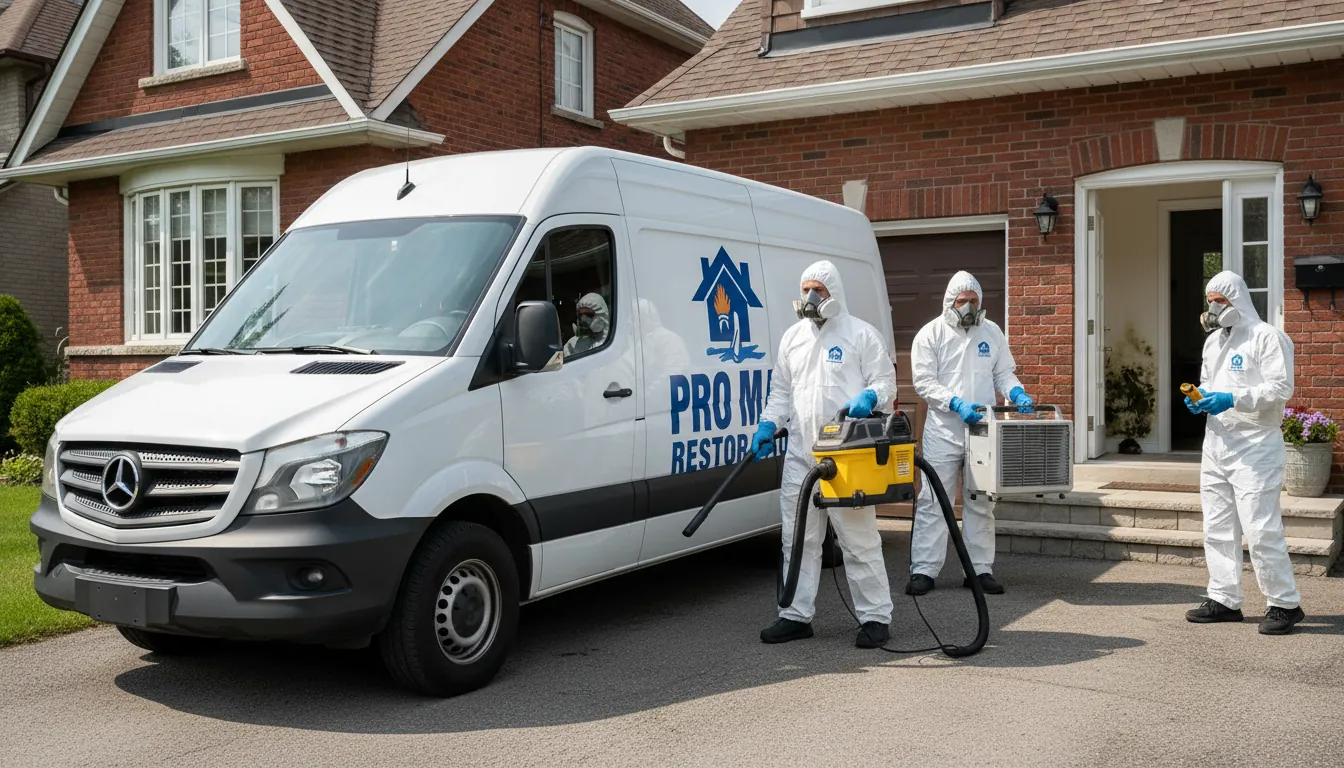
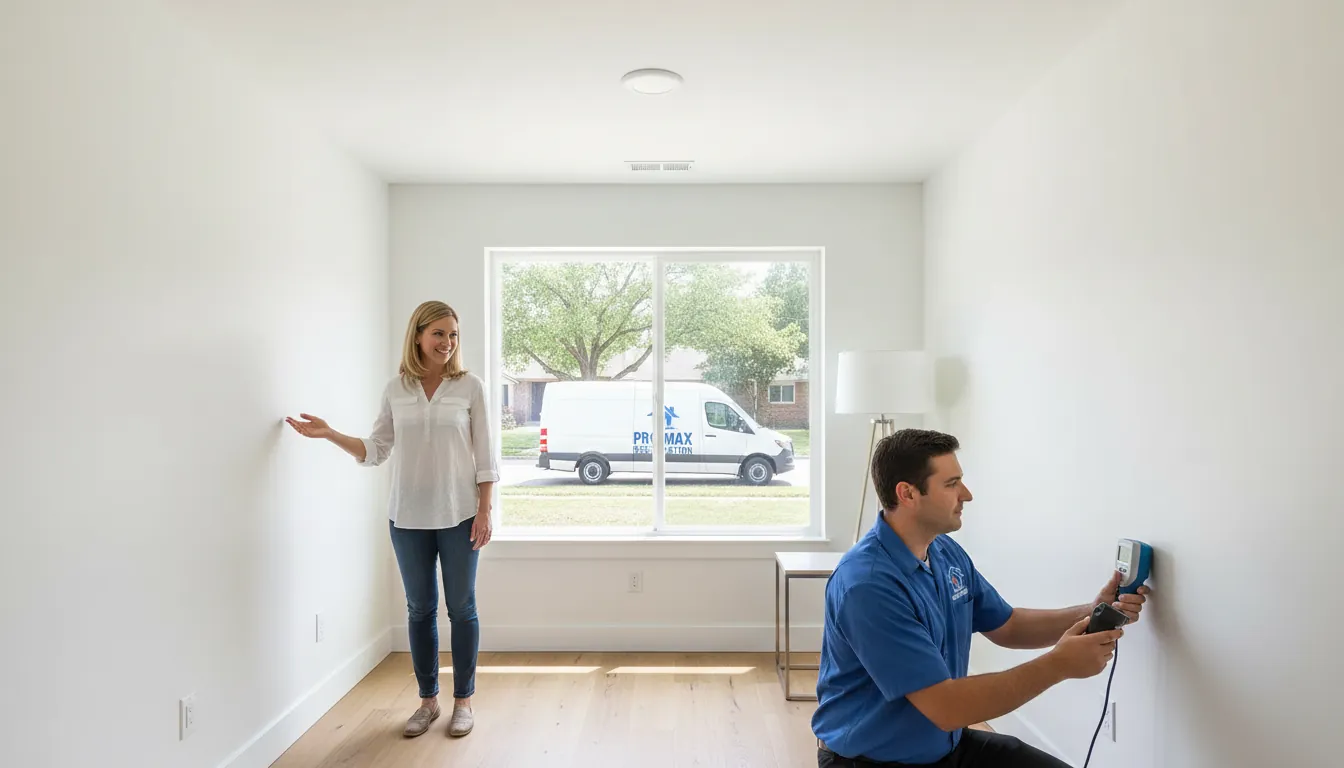
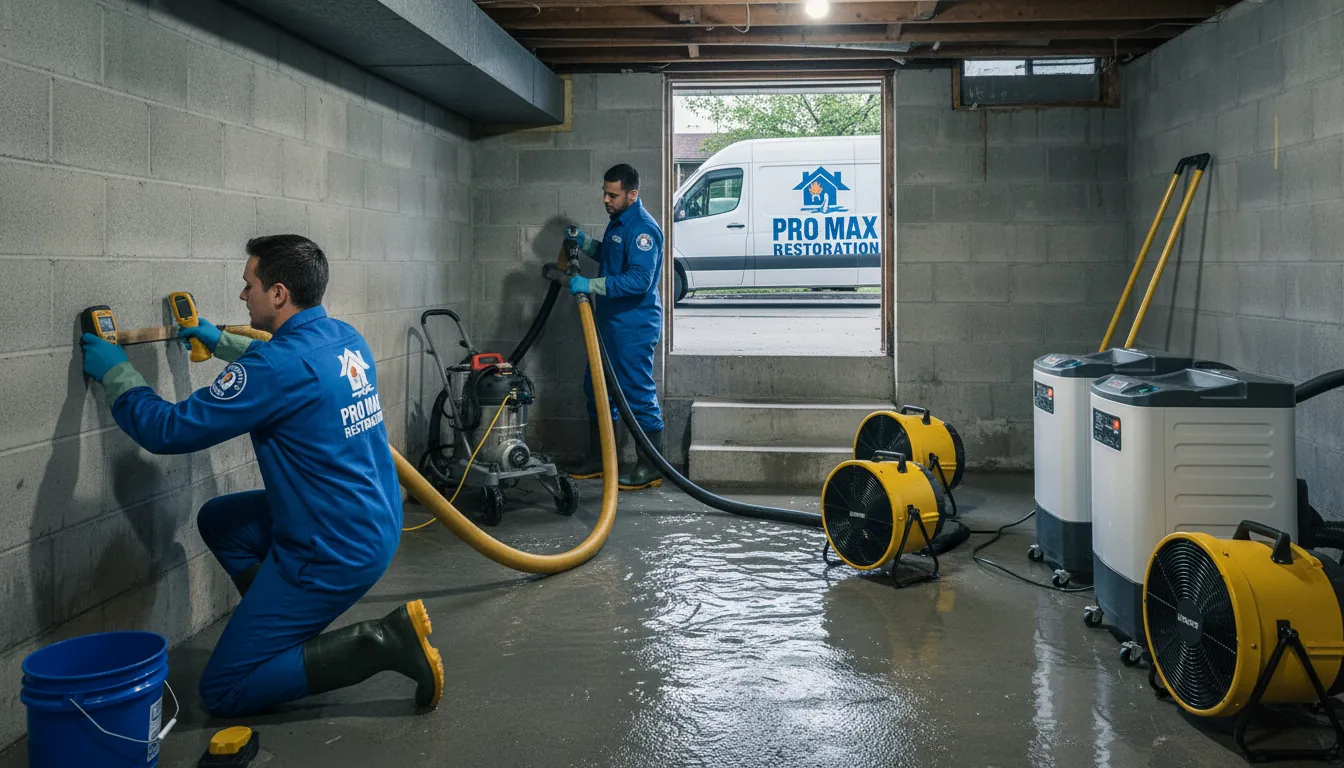
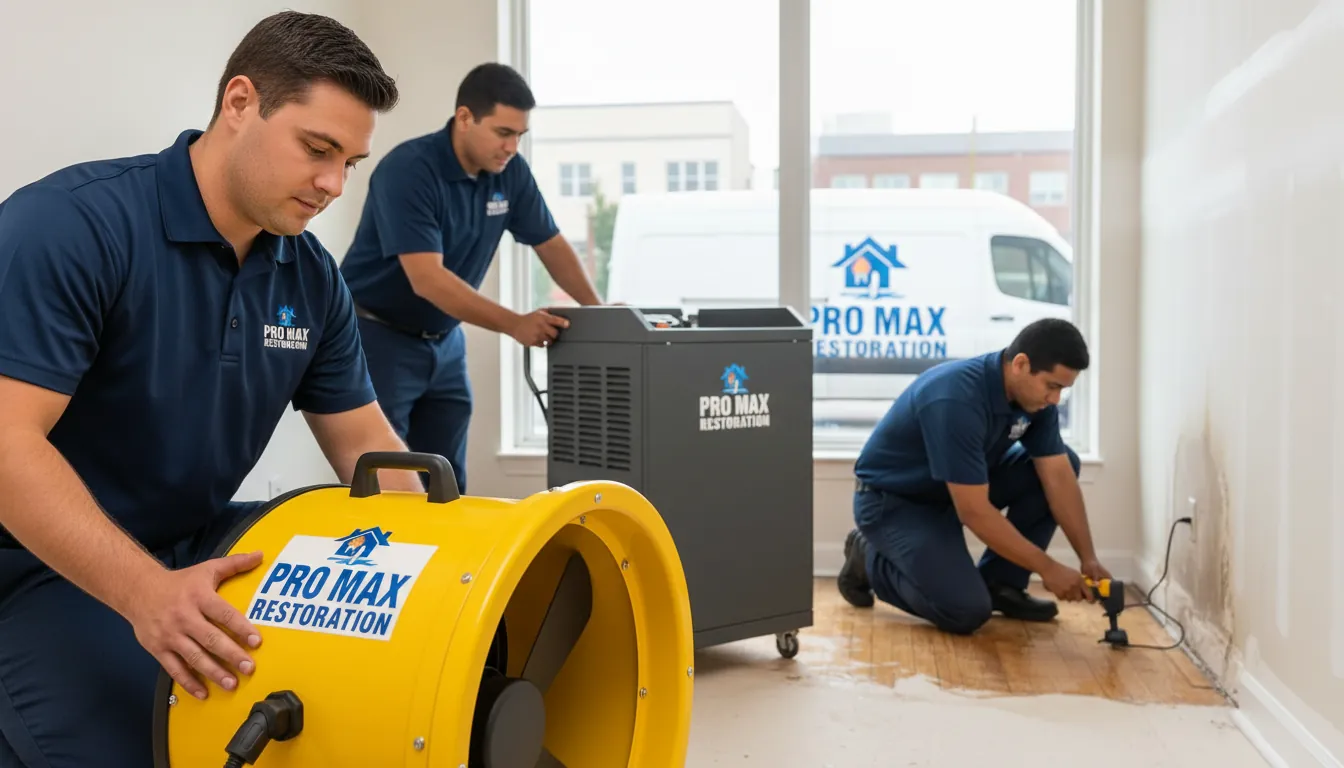
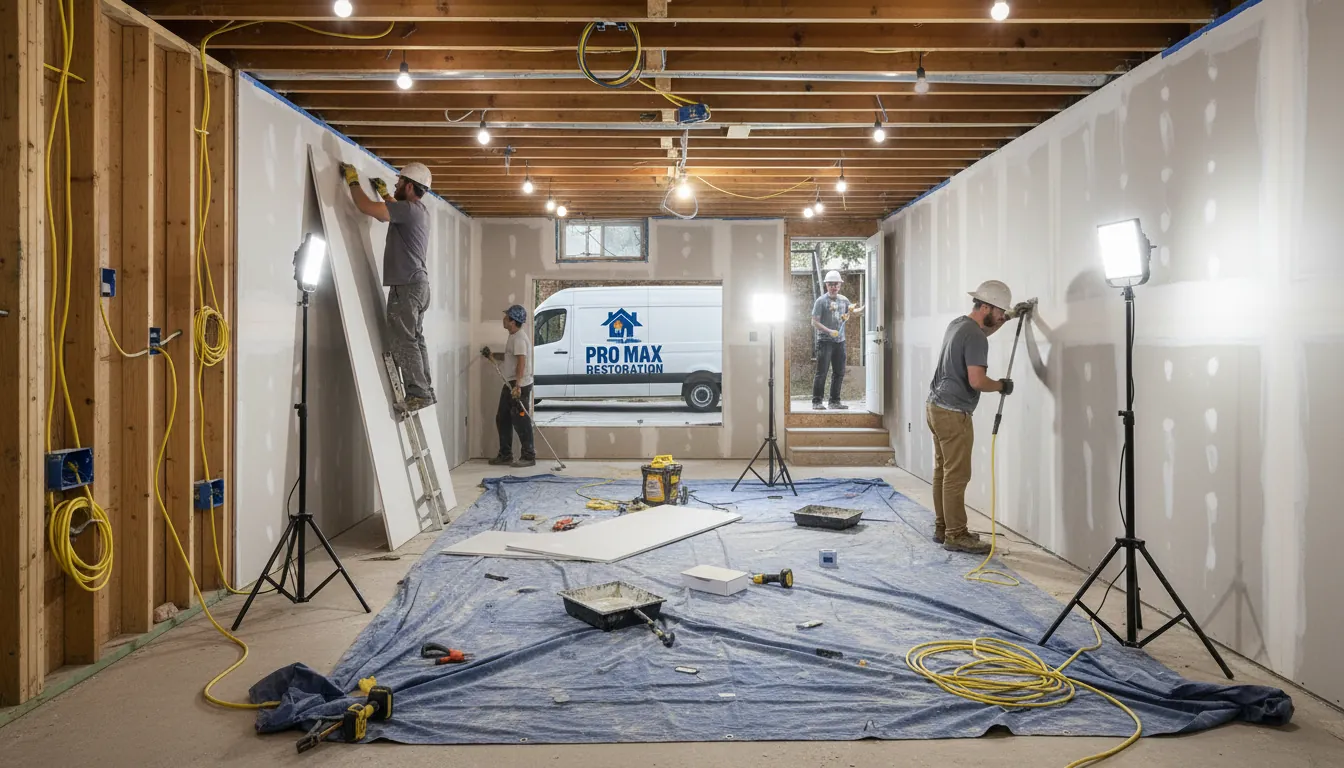
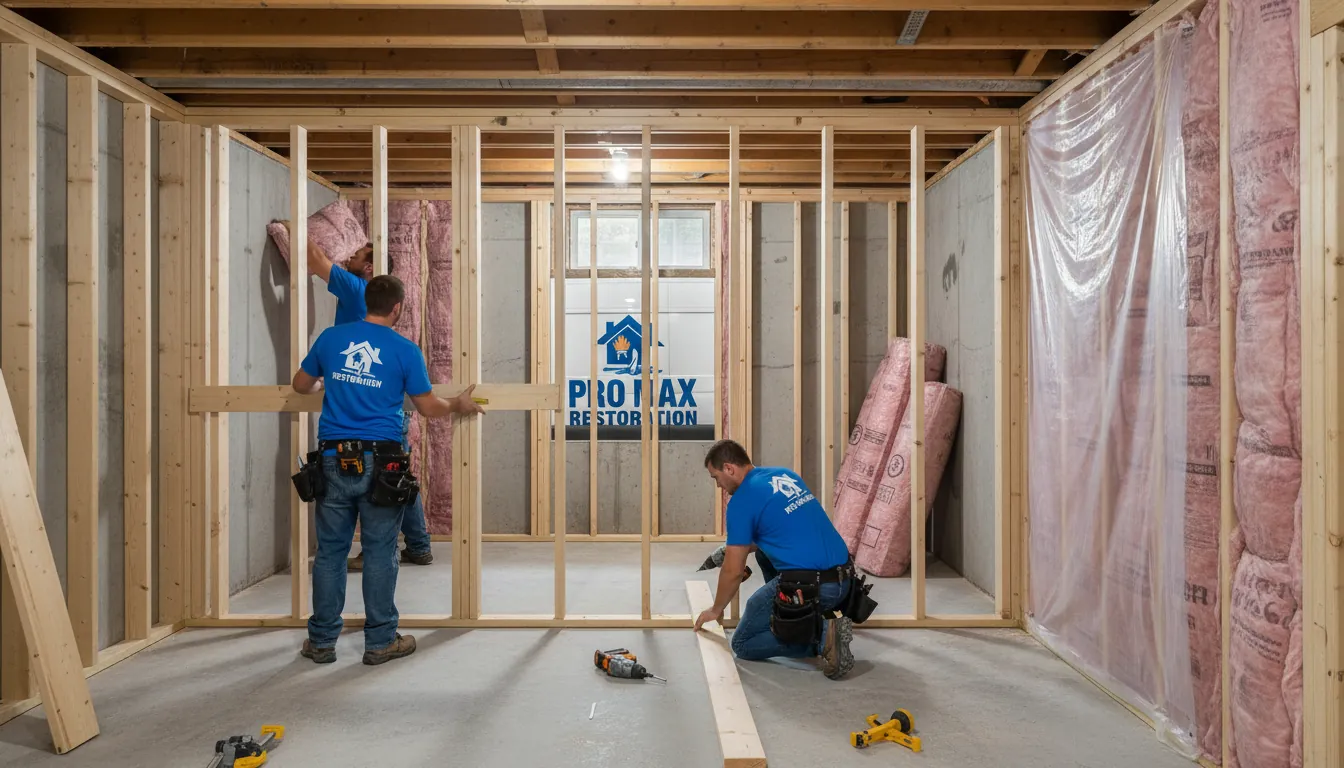
A look at real mold removal work completed by our IICRC-certified crews for homeowners in Oakville and across the Greater Toronto Area.
Complete Restoration Services in Oakville
One company for every emergency — from the first 45-minute response through complete rebuild.
When Oakville Properties Are Most at Risk
Water damage in the Greater Toronto Area is seasonal, and knowing which risk belongs to which month is the cheapest prevention there is. Here is the pattern we see across Oakvilleyear after year.
Winter
December – MarchFrozen and burst pipes
When temperatures fall below about -20C, water inside uninsulated supply lines freezes and expands, generating pressure that splits copper and PEX. Pipes in exterior walls, unheated garages and crawl spaces fail first, and the leak often runs for hours before anyone notices. This is our single busiest emergency window across Oakville.
Spring
March – MaySnowmelt and saturated ground
Rapid thaw combined with spring rain saturates the ground while it is still partly frozen, so water has nowhere to go but against foundations. Sump pumps run continuously, weeping tile that is cracked or clogged backs up, and any foundation crack in a Oakville home shows itself now.
Summer
June – SeptemberStorm surcharge and sewer backup
Short, intense thunderstorms overwhelm storm and combined sewers faster than they can drain. This is when sewer backups and overland flooding happen, and it is the season when a missing backwater valve costs Oakville homeowners the most.
Autumn
October – NovemberBlocked drainage and appliance failure
Leaves block eavestroughs, downspouts and window wells, sending roof water straight down the foundation. It is also when hot water tanks nearing the end of a 10 to 12 year life tend to let go, and when outdoor hose bibs left connected cause the first freeze-up.
The Standards We Work To
Our content is written and reviewed by the Pro Max Restoration technical team, the same IICRC-certified technicians who carry out water damage restoration, mold remediation and fire damage recovery across Toronto and the GTA every day. Guidance on this site reflects the IICRC S-500 and S-520 standards and what we see on real GTA properties, not generic advice.
IICRC S-500 Certified
The ANSI-approved Standard for Professional Water Damage Restoration. It governs how water losses are categorised, how structures are dried and how "dry" is verified with moisture readings rather than guesswork.
IICRC S-520 Certified
The ANSI-approved Standard for Professional Mold Remediation. It governs containment, negative air pressure, HEPA filtration, safe removal of affected materials and post-remediation verification.
Ontario O. Reg. 278/05 Compliant
Asbestos abatement is carried out to Ontario Ministry of Labour regulation O. Reg. 278/05, covering Type 1, 2 and 3 operations, air monitoring and disposal at licensed facilities.
Licensed & Fully Insured
We are a licensed and insured Ontario restoration contractor, and we carry the coverage required to work in occupied homes, condominiums and commercial properties.
Direct Insurance Billing
We bill Intact, Aviva, Desjardins, TD Insurance, Wawanesa, Co-operators and other major Canadian carriers directly, and we document every loss to the standard adjusters expect.
Calibrated Measurement, Not Guesswork
Every job uses FLIR thermal imaging and calibrated moisture meters, with daily readings logged until materials reach the IICRC dry standard. You receive that documentation.
How this guidance is written, measured and corrected: our editorial standards.
Mold Removal in Oakville — Your Questions Answered
How much does mold removal cost in Oakville?
Do I need Town approval for mold remediation in a heritage home?
Why is there mold around my wine cellar or pool room?
Can I remove mold myself?
Is mold covered by home insurance in Oakville?
Does Halton Region help with basement flooding prevention?
Is mold in my new North Oakville home covered by the builder warranty?
Need Mold Removal in Oakville?
Call 416-988-3539 — IICRC-certified crews serving Oakville 24/7.