
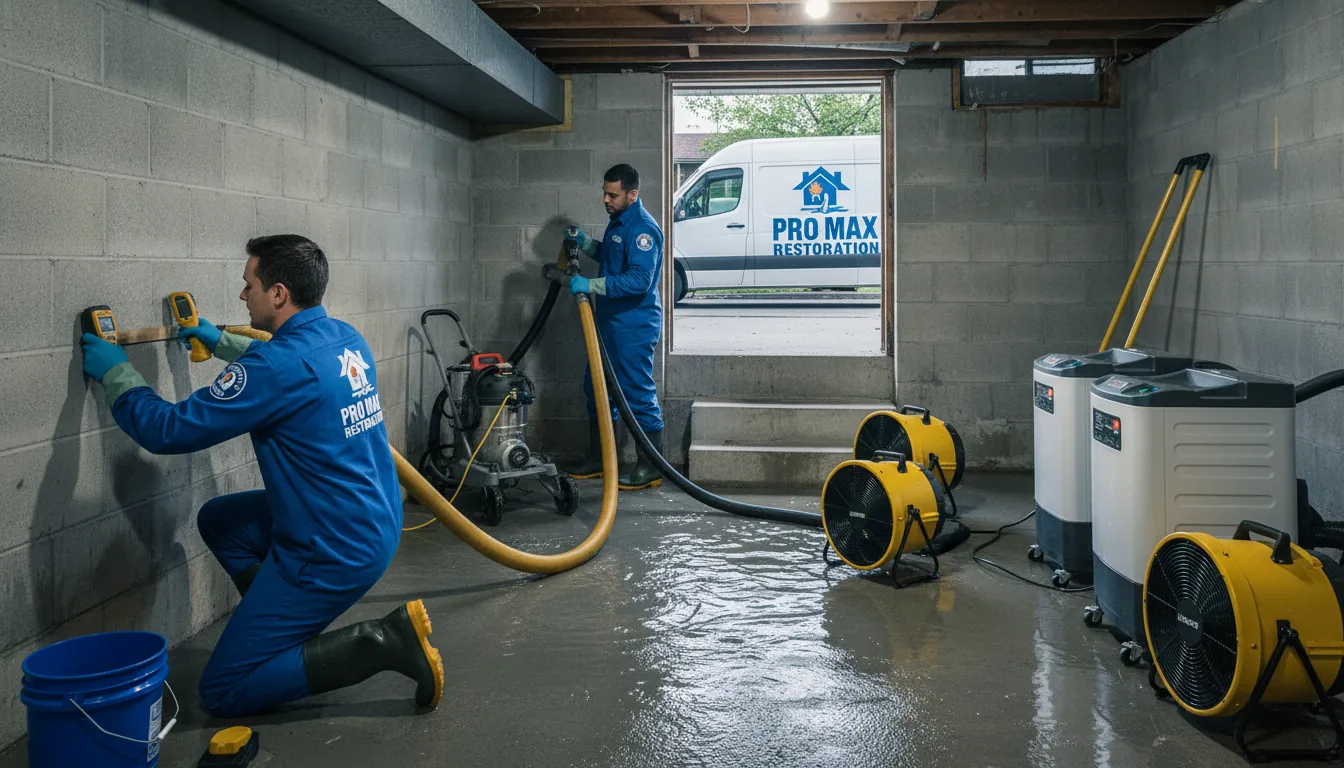
Water Damage Restoration in Caledon
A flooded basement in Bolton, a failed sump pump in Caledon East or a burst pipe in a rural farmhouse: Pro Max Restoration answers Caledon calls 24/7 with IICRC-certified crews and direct insurance billing.
Last updated:
Trusted Water Damage Restoration in Caledon
Caledon is the largest municipality in Peel Region by land area, and water damage restoration in Caledon looks very different from the same job in Brampton or Mississauga. The town combines Bolton's established neighbourhoods and its historic core along the Humber River, newer subdivisions in Mayfield West, Southfields Village and Valleywood, and a long list of villages and hamlets such as Caledon East, Caledon Village, Inglewood, Alton, Palgrave, Belfountain and Cheltenham. Around them sit farms, estate lots and rural homes spread across the Oak Ridges Moraine and the Niagara Escarpment. The headwaters of the Humber and Credit rivers begin in this landscape, and the Toronto and Region Conservation Authority and Credit Valley Conservation regulate much of the land along those watercourses.
That geography drives the kind of calls we get. Many rural Caledon homes rely on private wells and septic systems, which means a flood can contaminate drinking water or push septic waste back into the basement. Sump pumps are the main line of defence in countless basements, and when a spring storm knocks out power on a rural road, the pump stops exactly when it is needed most. Century farmhouses sit on fieldstone foundations, outbuildings have long water lines exposed to frost, and Bolton homes near the Humber can see rising groundwater during spring melt. Each of these needs a different response, and our IICRC S-500 certified technicians start every Caledon job by identifying the water source and category before any equipment goes down.
We want to be straightforward about travel. Our roughly 45-minute average response applies to most of the urban GTA, and we can usually reach Bolton, Mayfield West and south Caledon in a similar window. Addresses in the north and west of the town, toward Alton, Belfountain, Mono Mills or the escarpment, are farther from our North York head office and can take longer, particularly overnight or in winter weather. When you call 416-988-3539 we give you an honest arrival estimate and walk you through what you can safely do in the meantime, such as shutting off the well pump or main valve. Once on site we extract water, map moisture with thermal imaging and meters, dry the structure, and bill all major Canadian insurers directly.
- Honest ETAs: about 45 minutes to Bolton and south Caledon, and longer to far rural addresses.
- Category 3 decontamination for septic backups, with guidance on well testing afterward.
- Truck-mounted extraction, LGR dehumidifiers and thermal imaging on every job.
- Sump pump replacement and battery backup advice after every basement flood.
- IICRC S-500 and S-520 certified technicians with 15+ years of restoration experience.
- Direct billing to all major Canadian insurers, with documentation built for adjusters.
Common Causes of Water Damage in Caledon
After 600+ GTA restoration projects, we know exactly how Caledon homes are affected — and how to fix it for good.
Humber River Flooding in Bolton
Parts of Bolton's older core sit in the Humber River floodplain, which has a documented history of flooding and is regulated by the Toronto and Region Conservation Authority. Spring melt and heavy summer storms can raise groundwater and river levels quickly, pushing water into basements through foundation cracks, floor drains and window wells.
Private Wells and Septic Systems
Much of rural Caledon is not on municipal water or sewer. Floodwater can contaminate a private well, and a saturated septic bed can back sewage into the basement. A septic backup is Category 3 water and needs full decontamination, not just extraction, and the well should be tested before anyone drinks from it again.
Sump Pump and Power Failures
Many Caledon basements depend on a sump pump to keep groundwater out. Rural power outages during storms can last longer than in the city, and a pump without battery backup stops working exactly when the water table is highest. A flooded finished basement can follow within hours.
Moraine and Escarpment Groundwater
The Oak Ridges Moraine is a major groundwater recharge area, and low-lying properties can sit on a high water table. Along the Niagara Escarpment, runoff moves quickly downhill after heavy rain. Both can create steady hydrostatic pressure against foundation walls and floor slabs.
Farmhouses, Outbuildings and Long Water Lines
Century farmhouses often have fieldstone or rubble foundations that let water through, and detached workshops, garages and barns may have water lines running through unheated space. A frozen and burst line in an outbuilding can run for days before anyone notices.
Many of these emergencies start as a flooded basement or a sewer backup, and standing water quickly leads to mold. Catching it fast is what protects your Caledon property — request a free quote or call us the moment you spot water.
Water Damage Restoration Caledon: Rivers, Moraine and Rural Homes
Caledon sits where two of southern Ontario's most important landforms meet. The Oak Ridges Moraine crosses the east and centre of the town, a band of sand and gravel hills that absorbs rain and snowmelt and feeds groundwater to streams and wells across the region. The Niagara Escarpment runs through the west, with its steep slopes near Belfountain, Cheltenham and Terra Cotta. The headwaters of the Humber River and the Credit River begin in this landscape. For homeowners, that means groundwater can be close to the surface in low spots, spring melt can move a lot of water quickly, and properties near rivers and creeks sit within floodplains regulated by the Toronto and Region Conservation Authority or Credit Valley Conservation.
Bolton has a long history with the Humber River. Parts of the older core are in the river's floodplain, and heavy rain or rapid snowmelt can raise groundwater and river levels at the same time. Basements in this area face pressure from below as well as seepage through older foundation walls, window wells and floor drains. Newer neighbourhoods on higher ground are not immune: sump pumps, weeping tile and grading all need to work properly, and a failed pump or a blocked downspout can let water in quickly. When we respond in Bolton, we check the obvious entry point and also the less visible ones, such as the joint between wall and floor slab and moisture wicking up behind finished walls.
Rural Caledon homes rely on systems that most city homes do not have. A private well supplies drinking water, a septic system treats wastewater, and a sump pump keeps groundwater out of the basement. Floods affect all three. Water around a wellhead can contaminate the supply, a saturated septic bed may stop draining and back up into the house, and a power outage stops the sump pump. Restoration in these homes starts with understanding which system failed and whether the water is clean, grey or contaminated. Septic backups are Category 3 and require containment, removal of porous materials and antimicrobial treatment, following the IICRC S-500 standard, before drying begins.
Older farmhouses and outbuildings need their own approach. Fieldstone and rubble foundations were never designed to be watertight, and many were later finished with drywall and carpet that trap moisture against the stone. Drying these basements takes patience: we remove wet finishes where needed, run LGR dehumidifiers and air movers, and track readings until the structure reaches a stable, dry condition. Detached workshops, barns and garages may have water lines running through unheated space, and a frozen line can split and flood a building for days before anyone notices. Heat tracing, insulation and shut-off valves at the main building can prevent a repeat.
Distance is part of working in Caledon, and we are upfront about it. Most urban GTA calls are answered in about 45 minutes, and Bolton and south Caledon are usually similar. Remote addresses can take longer, so the first phone call matters: shutting off water, switching off power to wet areas if it is safe, and moving valuables can limit damage while the crew travels. Once on site, our technicians use thermal imaging and calibrated meters to map moisture, extract water with truck-mounted equipment and document each reading for your insurer. Pro Max Restoration has 15+ years of experience across 600+ GTA properties and bills all major Canadian insurers directly, so a rural Caledon claim is handled with the same standard as any city job.
Wells, Septic and Sump Systems After a Caledon Flood
If your well is near floodwater or the wellhead was submerged, stop drinking the water and use bottled water until testing confirms it is safe. Public Health Ontario laboratories test private well water for bacteria at no charge, and your local public health unit can provide sample bottles and instructions. If the well was flooded, it may need shock chlorination and flushing by a licensed well contractor, followed by retesting. Do not rely on boiling alone if you suspect chemical contamination from fuel or agricultural products; ask public health for guidance.
Septic systems struggle when the ground around them is saturated. The tank and bed cannot drain properly, and wastewater may back up through basement floor drains, toilets or showers. Reduce water use in the house until the ground dries. Experts generally advise against pumping a septic tank while the surrounding soil is flooded, because an empty tank in saturated ground can shift or float. Once conditions allow, have a septic professional inspect the tank and bed. Any sewage that reached the basement should be treated as Category 3 and professionally cleaned.
Sump pumps are often the reason a basement stays dry, so they deserve regular attention. Test the pump in spring and fall by pouring water into the pit, check that the discharge line is clear and directs water well away from the foundation, and make sure the float moves freely. A battery backup pump, or a water-powered backup where the home has adequate supply, can keep water out during a power outage. A high-water alarm gives early warning when the pump is not keeping up.
After any flood, the priority is to dry the structure fully, not just remove standing water. Moisture trapped in drywall, insulation, subfloor and fieldstone can support mold within 24 to 48 hours. Our IICRC S-500 and S-520 certified technicians map moisture, dry to measured targets and document each reading for your insurer. Call 416-988-3539 any time for help with water damage anywhere in Caledon.
Signs You Need Water Damage Restoration in Caledon
Water damage is rarely limited to what you can see. If any of these warning signs appear in your Caledon property, call 416-988-3539 right away, because the first 24 to 48 hours decide whether materials can be dried and saved.
- Standing water, damp carpet or a musty smell in the basement
- Water stains, bubbling paint or sagging drywall on ceilings and walls
- Warped, cupping or lifting hardwood, laminate or vinyl flooring
- A sudden unexplained spike in your water bill
- Peeling baseboards, efflorescence or white chalky residue on foundation walls
- Visible mold spotting, or worsening allergy and asthma symptoms indoors
Emergency Water Damage Help in Caledon
Our IICRC-certified crews are on call 24 hours a day, 365 days a year. About 45 minutes to Bolton and south Caledon; longer to far rural addresses, and we give you an honest arrival time when you call.
Our Water Damage Restoration Process in Caledon
Every Caledon water damage project follows the same proven, IICRC S-500 process, from the first emergency call through to the final rebuild.
Emergency Call & 45-Minute Dispatch
Call us any hour and our emergency coordinator gathers the critical details, the water source, the affected rooms and any safety concerns, then dispatches the nearest crew to Caledon. We talk you through shutting off the water and power while the team is on the road.
Inspection & Moisture Mapping
Our IICRC-certified lead technician uses FLIR thermal-imaging cameras and calibrated moisture meters to map every wet surface in your Caledon property, including hidden moisture inside wall cavities and under subfloors that a visual inspection always misses.
Emergency Water Extraction
Truck-mounted and portable extractors remove standing water fast, up to 25 gallons per minute. We set containment to stop the water spreading into dry areas of the home and protect furniture, flooring and contents while extraction is underway.
Structural Drying & Dehumidification
We position commercial air movers and LGR dehumidifiers to create targeted airflow, then monitor moisture readings daily and adjust the equipment until every material reaches the IICRC S-500 dry standard. Most Caledon homes dry in three to five days.
Cleaning, Sanitizing & Mold Prevention
Antimicrobial treatments stop bacteria and prevent mold taking hold in the wall cavities. HEPA air scrubbers clear airborne particles and hydroxyl generators neutralize odours at the molecular level rather than masking them with fragrance.
Full Restoration & Insurance Handoff
Our in-house construction team rebuilds everything that was removed, from drywall and paint to hardwood and cabinetry, returning your Caledon property to pre-loss condition. We submit the full photo and moisture documentation and bill your insurer directly.
Why Caledon Property Owners Choose Pro Max for Water Damage Restoration
15+ years, 600+ restored GTA properties and a perfect 5-star Google rating, backed by the certifications and insurance relationships that matter when it is your home on the line.
IICRC-Certified Technicians
Every Caledon job is led by technicians certified to the IICRC S-500 water damage and S-520 mold remediation standards, the benchmarks Canadian insurers recognise and expect.
45-Minute Emergency Response
We answer the phone 24 hours a day, 365 days a year. About 45 minutes to Bolton and south Caledon; longer to far rural addresses. The first 24 to 48 hours decide whether materials are dried and saved or replaced, so call the moment you find water.
Direct Insurance Billing
We document every loss with photographs and moisture readings and bill Intact, Aviva, Desjardins, TD Insurance, Wawanesa, Co-operators and all other major Canadian carriers directly, so covered work costs you nothing beyond your deductible.
One Company, Start to Finish
Emergency extraction, structural drying, mold prevention and the complete rebuild are all handled in-house. One company, one warranty and no coordinating three different contractors while your Caledon home sits damaged.
15+ Years and 600+ Properties
We have restored more than 600 properties across the Greater Toronto Area since 2009 and hold a perfect 5.0 Google rating, so you are trusting your Caledon home to a team that has genuinely seen it all.
Written Estimates, No Surprises
You receive a clear, itemised written estimate before work begins, and we review the scope directly with your adjuster so there are no disputed line items or unexpected costs at the end of the project.
Water Damage Restoration Service Areas Across Caledon
We provide fast, 24/7 water damage restoration in every Caledon neighbourhood, including:
Recent Water Damage Restoration Projects in Caledon
A look at real water damage restoration work completed by our IICRC-certified crews for homeowners in Caledon and across the Greater Toronto Area.
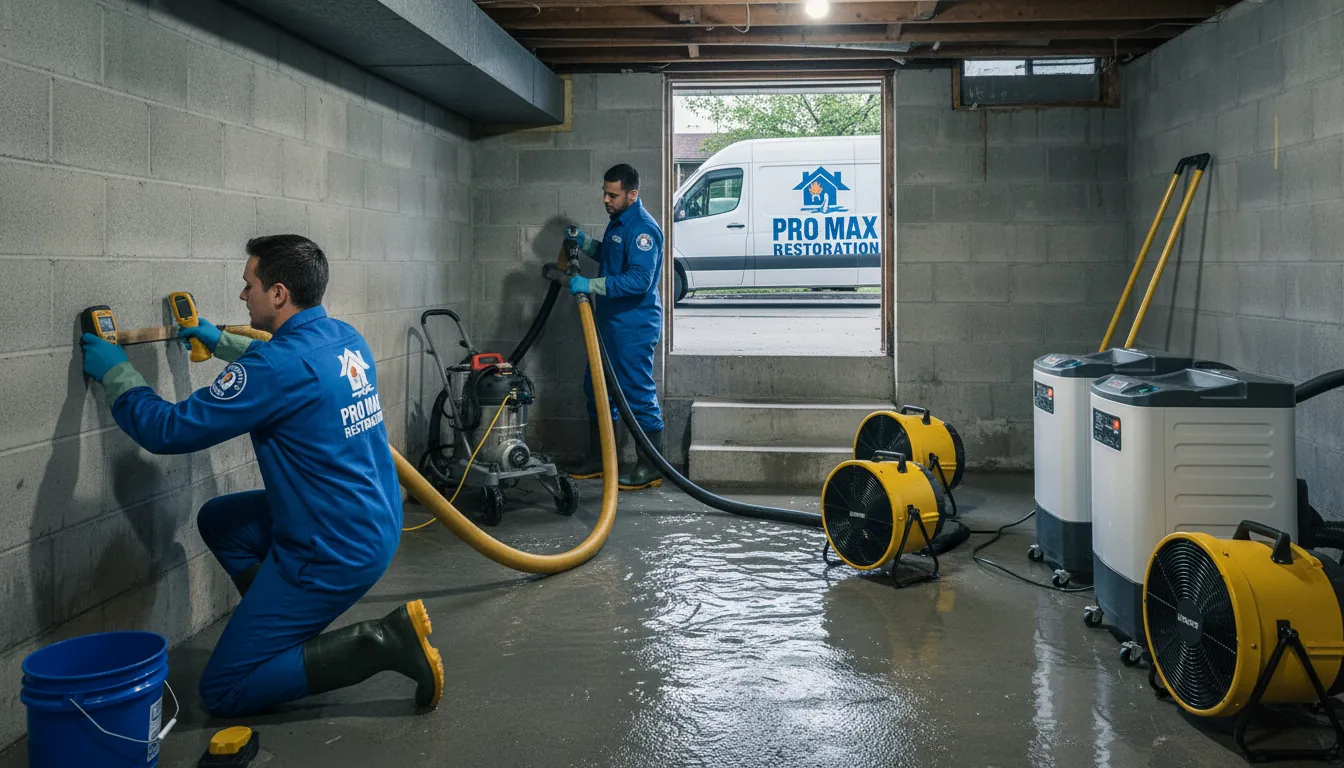
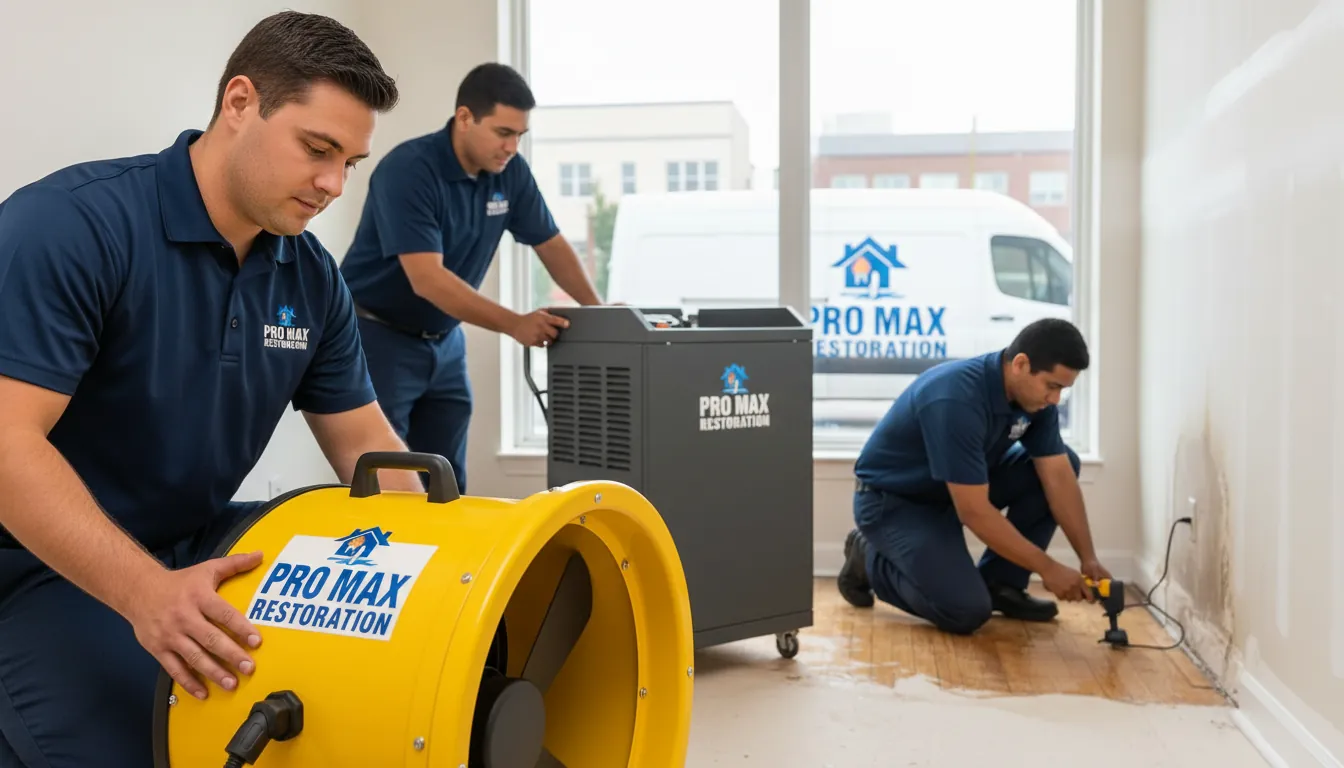
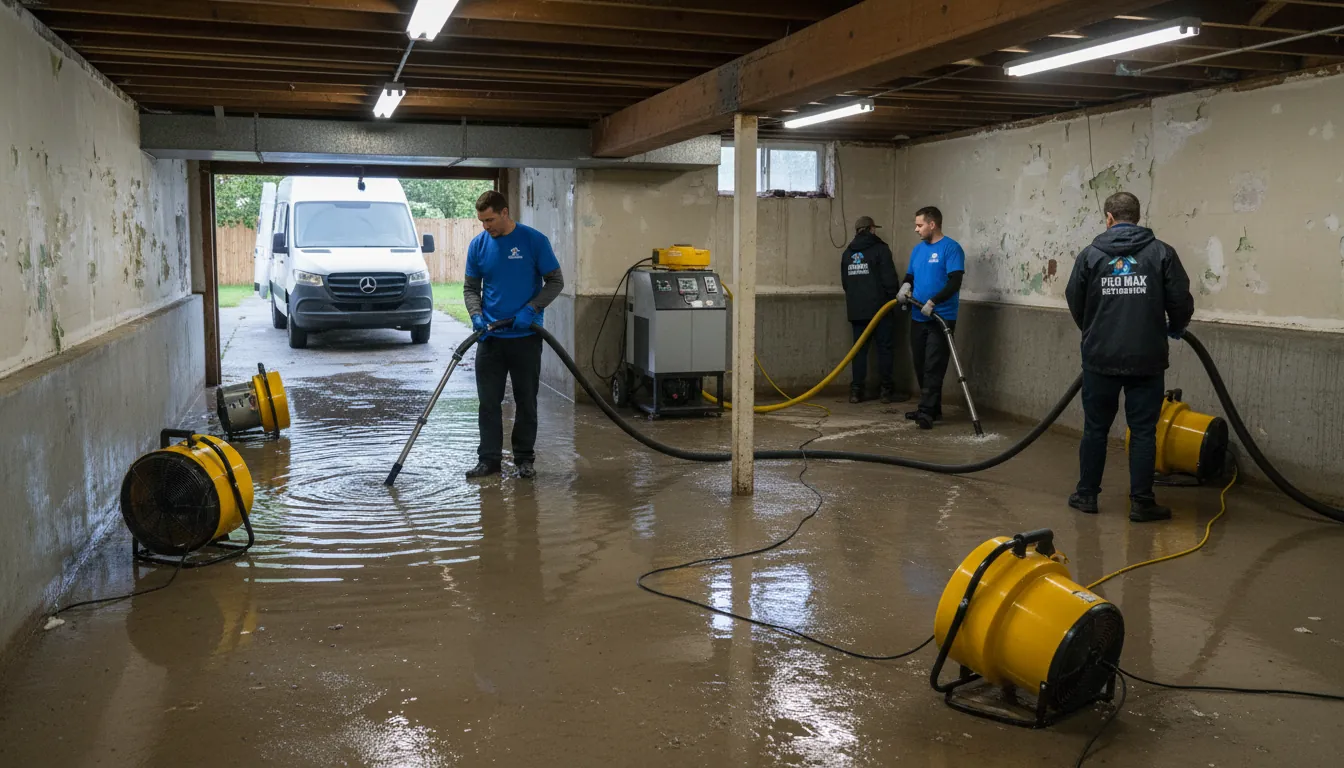


Complete Restoration Services in Caledon
One company for every emergency — from the first 45-minute response through complete rebuild.
When Caledon Properties Are Most at Risk
Water damage in the Greater Toronto Area is seasonal, and knowing which risk belongs to which month is the cheapest prevention there is. Here is the pattern we see across Caledonyear after year.
Winter
December – MarchFrozen and burst pipes
When temperatures fall below about -20C, water inside uninsulated supply lines freezes and expands, generating pressure that splits copper and PEX. Pipes in exterior walls, unheated garages and crawl spaces fail first, and the leak often runs for hours before anyone notices. This is our single busiest emergency window across Caledon.
Spring
March – MaySnowmelt and saturated ground
Rapid thaw combined with spring rain saturates the ground while it is still partly frozen, so water has nowhere to go but against foundations. Sump pumps run continuously, weeping tile that is cracked or clogged backs up, and any foundation crack in a Caledon home shows itself now.
Summer
June – SeptemberStorm surcharge and sewer backup
Short, intense thunderstorms overwhelm storm and combined sewers faster than they can drain. This is when sewer backups and overland flooding happen, and it is the season when a missing backwater valve costs Caledon homeowners the most.
Autumn
October – NovemberBlocked drainage and appliance failure
Leaves block eavestroughs, downspouts and window wells, sending roof water straight down the foundation. It is also when hot water tanks nearing the end of a 10 to 12 year life tend to let go, and when outdoor hose bibs left connected cause the first freeze-up.
The Standards We Work To
Our content is written and reviewed by the Pro Max Restoration technical team, the same IICRC-certified technicians who carry out water damage restoration, mold remediation and fire damage recovery across Toronto and the GTA every day. Guidance on this site reflects the IICRC S-500 and S-520 standards and what we see on real GTA properties, not generic advice.
IICRC S-500 Certified
The ANSI-approved Standard for Professional Water Damage Restoration. It governs how water losses are categorised, how structures are dried and how "dry" is verified with moisture readings rather than guesswork.
IICRC S-520 Certified
The ANSI-approved Standard for Professional Mold Remediation. It governs containment, negative air pressure, HEPA filtration, safe removal of affected materials and post-remediation verification.
Ontario O. Reg. 278/05 Compliant
Asbestos abatement is carried out to Ontario Ministry of Labour regulation O. Reg. 278/05, covering Type 1, 2 and 3 operations, air monitoring and disposal at licensed facilities.
Licensed & Fully Insured
We are a licensed and insured Ontario restoration contractor, and we carry the coverage required to work in occupied homes, condominiums and commercial properties.
Direct Insurance Billing
We bill Intact, Aviva, Desjardins, TD Insurance, Wawanesa, Co-operators and other major Canadian carriers directly, and we document every loss to the standard adjusters expect.
Calibrated Measurement, Not Guesswork
Every job uses FLIR thermal imaging and calibrated moisture meters, with daily readings logged until materials reach the IICRC dry standard. You receive that documentation.
How this guidance is written, measured and corrected: our editorial standards.
Water Damage Restoration in Caledon — Your Questions Answered
How fast can you reach a rural property in Caledon?
My basement flooded and I am on a well. Is my water safe?
Is a septic backup into my basement covered by insurance?
How much does water damage restoration cost in Caledon?
Is flooding from the Humber River or a creek covered?
My sump pump stopped during a power outage. What should I do now?
Do you handle water damage in barns, workshops and outbuildings?
Need Water Damage Restoration in Caledon?
Call 416-988-3539 — IICRC-certified crews serving Caledon 24/7.