
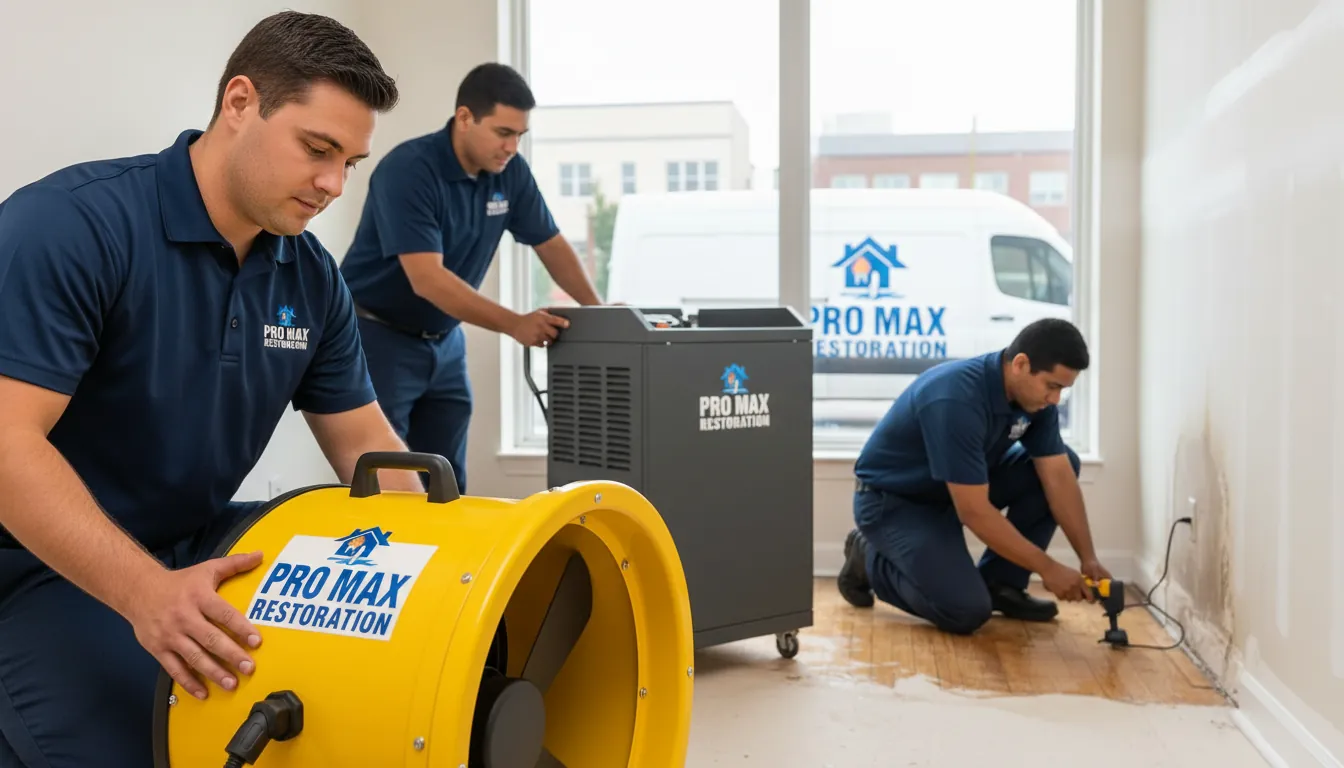
Commercial Water Damage Restoration in Toronto
When water reaches an office floor, a retail unit or a restaurant kitchen, every hour closed costs money. Pro Max Restoration sends IICRC-certified crews across Toronto 24/7, typically within about 45 minutes, with a drying plan built around keeping your business operating.
Last updated:
Trusted Commercial Water Damage Restoration in Toronto
For a Toronto business, water damage is two problems at once: the physical damage to the building, and the trading time, tenant goodwill and inventory you lose while it is being fixed. A sprinkler head knocked by a pallet in a warehouse, a domestic water riser that fails overnight in an office tower, a floor drain that backs up behind a restaurant line, or an underground parking garage that takes on water in a summer cloudburst like the one that hit the city on July 16, 2024, all need the same thing first: fast extraction and a drying plan. What makes commercial water damage restoration different from a house call is everything around that plan, including the size of the space, the number of people with a stake in it, and the rules of the building you are working in.
We work with property managers, facility managers, landlords and business owners across the city, from storefronts on Queen West and offices in the Financial District to restaurants in the Entertainment District, light-industrial units in Rexdale and multi-residential rental buildings in North York and Scarborough. That means after-hours and weekend work so demolition and noisy equipment stay out of trading hours, poly containment that seals off wet zones so the rest of the floor can stay open, and dehumidification sized for large open volumes rather than a single basement. It also means following building procedures: booking freight elevators and loading docks, working with security and the superintendent, and making sure any shutdown of a sprinkler zone follows the building's fire safety plan and monitoring arrangements.
Commercial losses are also paperwork-heavy. A landlord's building policy, a tenant's contents and improvements policy and, often, a business interruption claim may all be running on the same event, and each adjuster wants evidence that holds up. Our IICRC S-500 certified technicians map moisture with calibrated meters and FLIR thermal imaging, keep daily drying logs, photograph materials before removal and separate the scope by area and by policy where we can. We bill major Canadian insurers directly, and with more than 15 years in the trade, 600+ GTA properties restored and a head office on Leslie Street in North York, we can reach the downtown core, Etobicoke and Scarborough in about 45 minutes, day or night.
- After-hours and weekend scheduling keeps demolition and loud equipment outside trading hours.
- Phased drying zones with poly containment so unaffected suites and floors can keep operating.
- Moisture maps, daily drying logs and photo records built for commercial adjusters.
- Direct billing to major Canadian insurers, including Intact, Aviva, Desjardins and Co-operators.
- North York head office, about 45 minutes to the downtown core, Etobicoke and Scarborough.
- One team from emergency extraction through rebuild, so there is no hand-off between contractors.
Common Causes of Water Damage in Toronto
After 600+ GTA restoration projects, we know exactly how Toronto homes are affected — and how to fix it for good.
Sprinkler and Fire-Protection Discharges
A sprinkler head struck by a forklift or ladder, a frozen line in an unheated loading area, or a corroded fitting can release a large volume of water in minutes. In multi-storey buildings that water follows slab penetrations and shafts down through several floors, so tenants who never saw the discharge can still end up with wet ceilings, drywall and carpet tile.
Roof Drains and Rooftop Equipment
Flat commercial roofs depend on drains and scuppers that clog with leaves and debris. During heavy summer storms, ponding water finds failed flashing or membrane seams, and rooftop HVAC units can overflow their condensate pans. The water often shows up first as stained ceiling tiles on the top floor, long after it has soaked insulation above.
Underground Parking and Below-Grade Space
Toronto's downtown and midtown buildings rely on multi-level underground parking, storage lockers, elevator pits and electrical rooms, all below grade. Intense storms like July 8, 2013 and July 16, 2024 showed how quickly ramps and overwhelmed drains can send water into these levels, and sump pits that fail during a power interruption make it worse.
Restaurant and Commercial Kitchen Backups
Grease build-up in kitchen drains is a common cause of floor-drain backups in restaurants. The water involved is usually contaminated, Category 2 or 3 under the IICRC S-500 standard, which means porous materials near food-prep areas are often removed rather than dried, and cleaning has to satisfy food-safety expectations before service resumes.
Risers, Fan Coils and Mechanical Rooms
Office towers and rental apartment buildings carry domestic hot and cold water risers, chilled-water lines and in-suite fan coil units. A failed valve or drain pan on an upper floor can run for hours before anyone notices, particularly overnight or over a long weekend, affecting several suites and common corridors at once.
Many of these emergencies start as a flooded basement or a sewer backup, and standing water quickly leads to mold. Catching it fast is what protects your Toronto property — request a free quote or call us the moment you spot water.
How Commercial Water Damage Restoration Works in Toronto Buildings
The first hours on a commercial loss are about triage. Life safety comes first: wet electrical panels, ceiling tiles loaded with water and slippery floors in public areas. Next is the source, which in a larger building may mean finding the right isolation valve on a riser, working with the fire-protection contractor to restore a sprinkler zone, or getting a plumber on a blocked main. Then we identify which spaces are revenue-critical, such as a server room, a dining room, a pharmacy counter or a tenant's showroom, and protect or dry those first. At the same time we notify the people who need to know, including the property manager, the tenant or owner and, where they are ready, the insurer's adjuster, so decisions about access, scope and after-hours work are made once rather than repeatedly.
Phased drying is what keeps a Toronto business trading. Rather than shutting down an entire floor, we build containment with poly sheeting and zip walls around the wet zone, run HEPA air scrubbers to create negative pressure where dust or contamination is a concern, and size dehumidification to the cubic volume and evaporation load inside that zone. The building's own HVAC can help or hinder: in summer, cooled supply air can support drying, but return air can also pull humid air or contaminants into clean areas, so we agree with building operations which dampers or units should be adjusted. In colder months, or in unheated warehouse and parking areas, desiccant dehumidifiers often outperform refrigerant units because they keep working at low temperatures.
Commercial interiors use materials that behave differently from a house. Carpet tile can often be lifted, dried or cheaply replaced in sections. Acoustic ceiling tiles that have been saturated are usually replaced rather than dried. Steel-stud and drywall partitions may need a flood cut a short distance above the wet line so the cavity can dry, while demountable glass partitions and millwork can often stay. Raised access floors in server and telecom rooms hide water underneath, and concrete slabs hold moisture for a long time, so new flooring should not go down until the slab and adhesive manufacturer's moisture limits are met. Knowing which materials to dry, which to remove and when is where most of the cost difference on a commercial job comes from.
Multi-tenant and multi-residential buildings add a coordination layer. A single failure on an upper floor can affect several commercial tenants, residential suites, corridors and parking levels, each with different insurance and a different person making decisions. Rental apartment buildings in Toronto that are registered under the City's RentSafeTO program also have maintenance and tenant-communication obligations that property managers need to keep meeting during a loss. We work best with a single point of contact from building management, and we give them a daily update covering which areas are drying, which are cleared, which need access the next day and what the adjusters have asked for, so tenants hear consistent information.
Documentation is what turns a commercial loss into a claim that pays properly. Adjusters on larger files expect a clear cause of loss as observed, a category and class determination under IICRC S-500, moisture maps for each affected area, daily readings showing materials moving toward a dry standard, equipment logs and photographs taken before materials were removed. Where a business interruption claim is involved, the drying timeline itself becomes evidence of how long the premises were affected. We keep those records from the first visit, split scopes between building, tenant improvements and contents where practical, and bill major Canadian insurers directly so the business is not carrying the mitigation cost while the claim is processed.
Commercial Water Damage Costs and Insurance in Toronto
Commercial pricing follows the same drivers as residential work, only at a larger scale: the category of water, the square footage and number of floors affected, the materials involved and how long the water sat before extraction began. As published in our Toronto water damage cost guide, multi-level and commercial large losses commonly run from about $10,000 to $50,000 or more, while a small, clean-water loss in a single suite can land closer to the typical residential range. Drying is often priced around $3 to $8 per square foot, with reconstruction priced separately. These are planning estimates, not quotes.
On the insurance side, the key is understanding which policy responds to which part of the loss. The building owner's property policy generally covers the base building, the tenant's policy their improvements, equipment, stock and business income, and a separate policy may apply to a neighbouring tenant whose unit caused the damage. Deductibles on commercial policies are often much higher than on home policies, so ask your broker early whether the loss is likely to exceed it and whether business interruption coverage has a waiting period.
Whatever the coverage, the same habits protect the claim: report promptly, keep damaged stock and materials until the adjuster has seen them or approved disposal, photograph everything, and keep receipts for emergency expenses such as temporary relocation or overtime. We provide the moisture records and scope an adjuster needs and work directly with the carrier, but coverage decisions always rest with your insurer and your policy wording.
What Property and Facility Managers Should Do in the First Hour
Stop the water and make the area safe. Isolate the supply at the nearest valve or riser, and if the source is a sprinkler, follow your fire safety plan and notify the monitoring company and fire-protection contractor before the zone is shut down. Cut power to wet circuits at the panel only if it is safe to reach, and keep staff and the public away from sagging ceilings and wet electrical equipment.
Next, protect what matters most to the business. Lift stock, files and portable electronics off wet floors, move them to a dry area, and photograph the damage before anything else is disturbed. Notify tenants who may be affected on floors below, alert your insurer or broker, and check whether any affected suite is occupied by a business with special requirements, such as a clinic, food premises or data room.
Then call 416-988-3539. Our crew will arrive in about 45 minutes with extraction equipment, meters and thermal imaging, confirm the category of water and the extent of spread, and agree a phased drying plan with you before equipment goes down. The earlier extraction starts, the more carpet tile, drywall and millwork can be dried instead of replaced.
Signs You Need Commercial Water Damage Restoration in Toronto
Water damage is rarely limited to what you can see. If any of these warning signs appear in your Toronto property, call 416-988-3539 right away, because the first 24 to 48 hours decide whether materials can be dried and saved.
- Standing water, damp carpet or a musty smell in the basement
- Water stains, bubbling paint or sagging drywall on ceilings and walls
- Warped, cupping or lifting hardwood, laminate or vinyl flooring
- A sudden unexplained spike in your water bill
- Peeling baseboards, efflorescence or white chalky residue on foundation walls
- Visible mold spotting, or worsening allergy and asthma symptoms indoors
Emergency Commercial Water Damage Help in Toronto
Our IICRC-certified crews are on call 24 hours a day, 365 days a year and reach Toronto in about 45 minutes with the equipment to stop the damage immediately.
Our Commercial Water Damage Restoration Process in Toronto
Every Toronto water damage project follows the same proven, IICRC S-500 process, from the first emergency call through to the final rebuild.
Emergency Call & 45-Minute Dispatch
Call us any hour and our emergency coordinator gathers the critical details, the water source, the affected rooms and any safety concerns, then dispatches the nearest crew to Toronto. We talk you through shutting off the water and power while the team is on the road.
Inspection & Moisture Mapping
Our IICRC-certified lead technician uses FLIR thermal-imaging cameras and calibrated moisture meters to map every wet surface in your Toronto property, including hidden moisture inside wall cavities and under subfloors that a visual inspection always misses.
Emergency Water Extraction
Truck-mounted and portable extractors remove standing water fast, up to 25 gallons per minute. We set containment to stop the water spreading into dry areas of the home and protect furniture, flooring and contents while extraction is underway.
Structural Drying & Dehumidification
We position commercial air movers and LGR dehumidifiers to create targeted airflow, then monitor moisture readings daily and adjust the equipment until every material reaches the IICRC S-500 dry standard. Most Toronto homes dry in three to five days.
Cleaning, Sanitizing & Mold Prevention
Antimicrobial treatments stop bacteria and prevent mold taking hold in the wall cavities. HEPA air scrubbers clear airborne particles and hydroxyl generators neutralize odours at the molecular level rather than masking them with fragrance.
Full Restoration & Insurance Handoff
Our in-house construction team rebuilds everything that was removed, from drywall and paint to hardwood and cabinetry, returning your Toronto property to pre-loss condition. We submit the full photo and moisture documentation and bill your insurer directly.
Why Toronto Property Owners Choose Pro Max for Commercial Water Damage Restoration
15+ years, 600+ restored GTA properties and a perfect 5-star Google rating, backed by the certifications and insurance relationships that matter when it is your home on the line.
IICRC-Certified Technicians
Every Toronto job is led by technicians certified to the IICRC S-500 water damage and S-520 mold remediation standards, the benchmarks Canadian insurers recognise and expect.
45-Minute Emergency Response
We answer the phone 24 hours a day, 365 days a year and reach Toronto properties in about 45 minutes, because the first 24 to 48 hours decide whether materials are dried and saved or demolished and replaced.
Direct Insurance Billing
We document every loss with photographs and moisture readings and bill Intact, Aviva, Desjardins, TD Insurance, Wawanesa, Co-operators and all other major Canadian carriers directly, so covered work costs you nothing beyond your deductible.
One Company, Start to Finish
Emergency extraction, structural drying, mold prevention and the complete rebuild are all handled in-house. One company, one warranty and no coordinating three different contractors while your Toronto home sits damaged.
15+ Years and 600+ Properties
We have restored more than 600 properties across the Greater Toronto Area since 2009 and hold a perfect 5.0 Google rating, so you are trusting your Toronto home to a team that has genuinely seen it all.
Written Estimates, No Surprises
You receive a clear, itemised written estimate before work begins, and we review the scope directly with your adjuster so there are no disputed line items or unexpected costs at the end of the project.
Commercial Water Damage Restoration Service Areas Across Toronto
We provide fast, 24/7 commercial water damage restoration in every Toronto neighbourhood, including:
Recent Commercial Water Damage Restoration Projects in Toronto
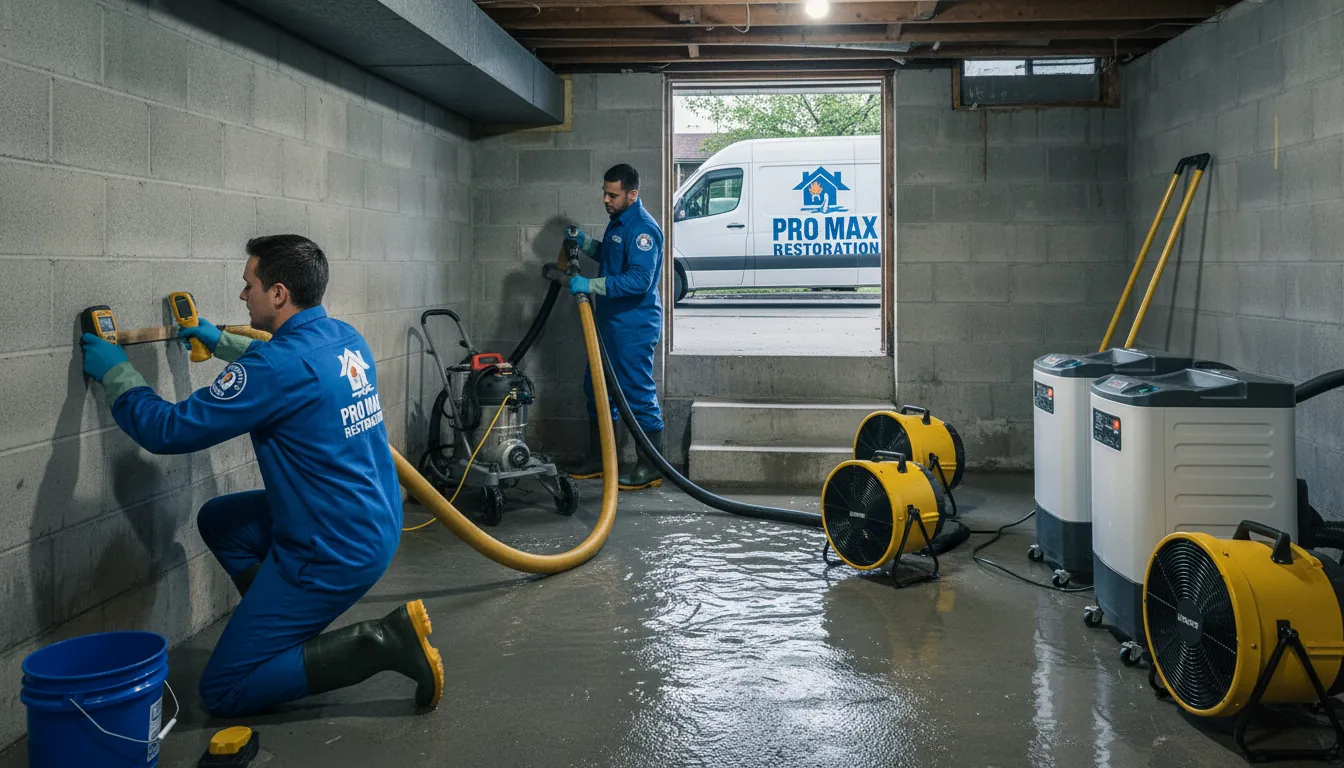
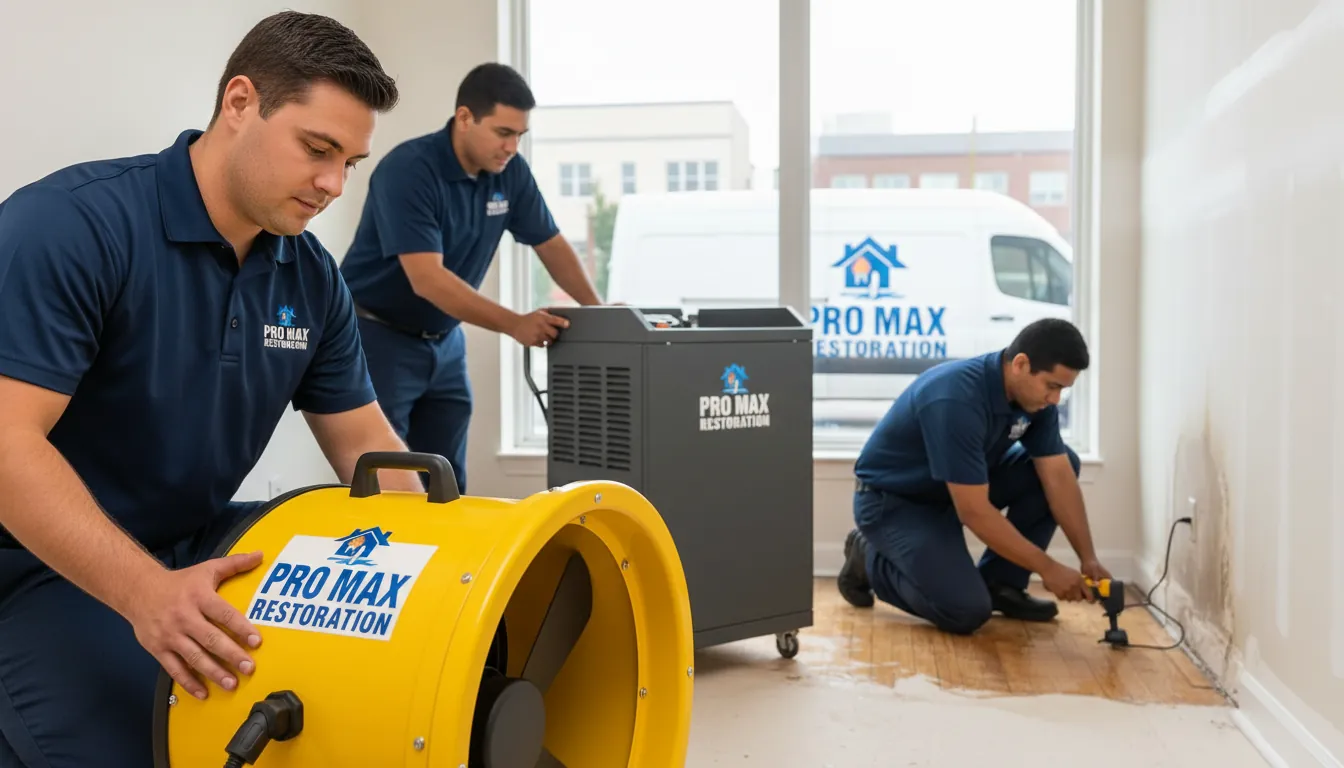
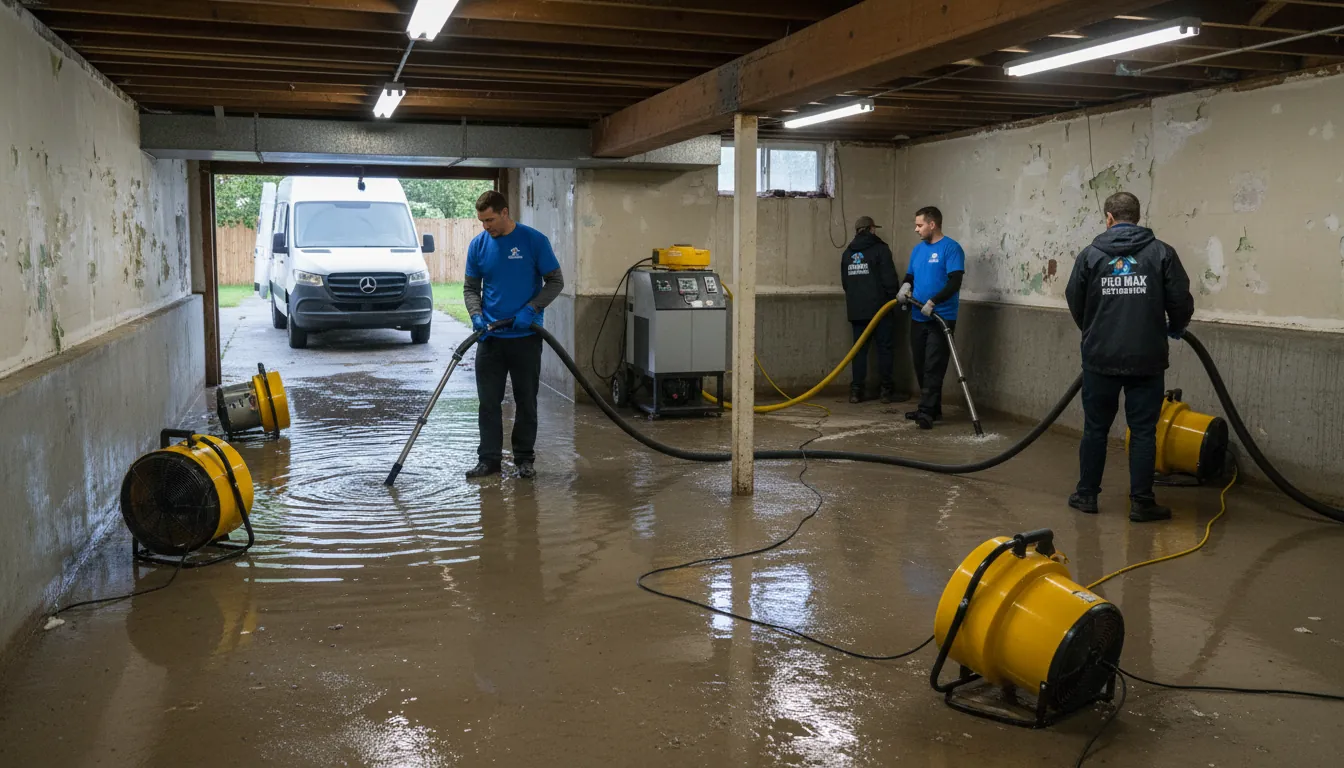
A look at real commercial water damage restoration work completed by our IICRC-certified crews for homeowners in Toronto and across the Greater Toronto Area.
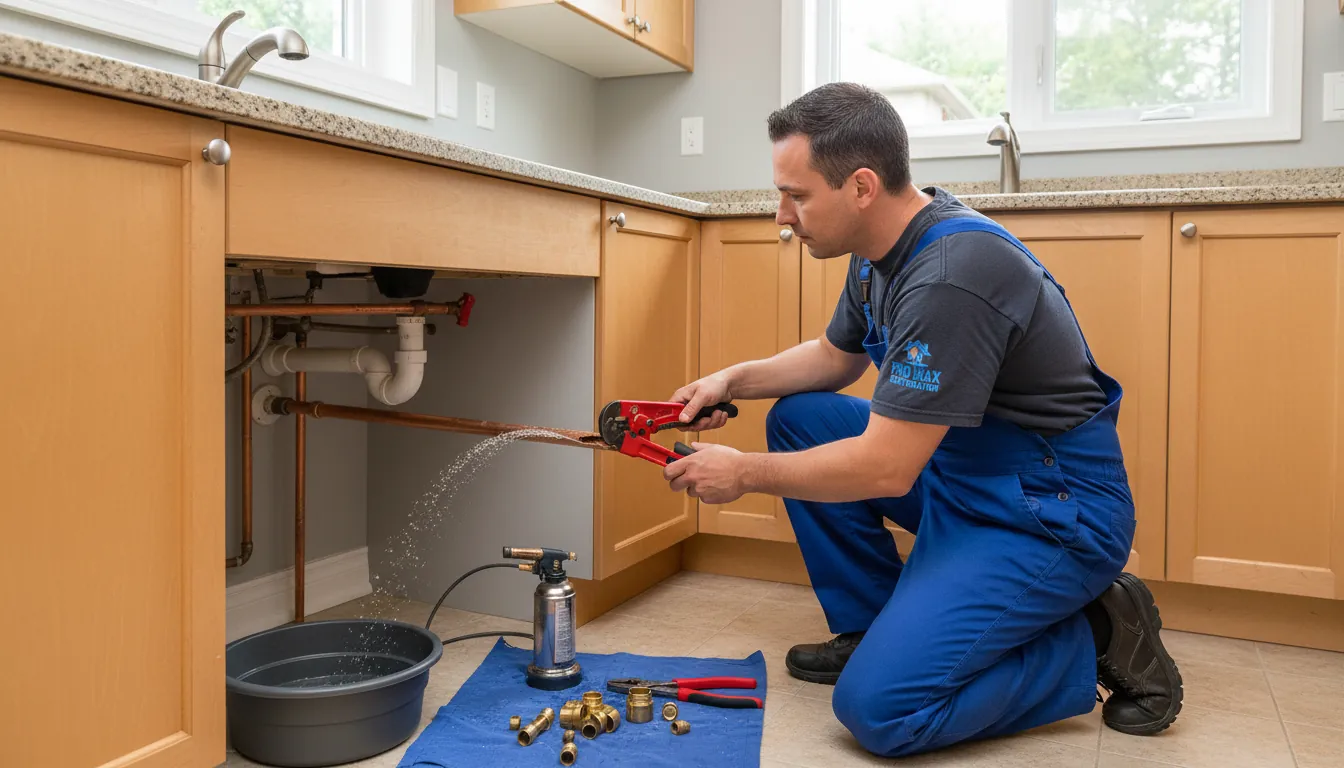
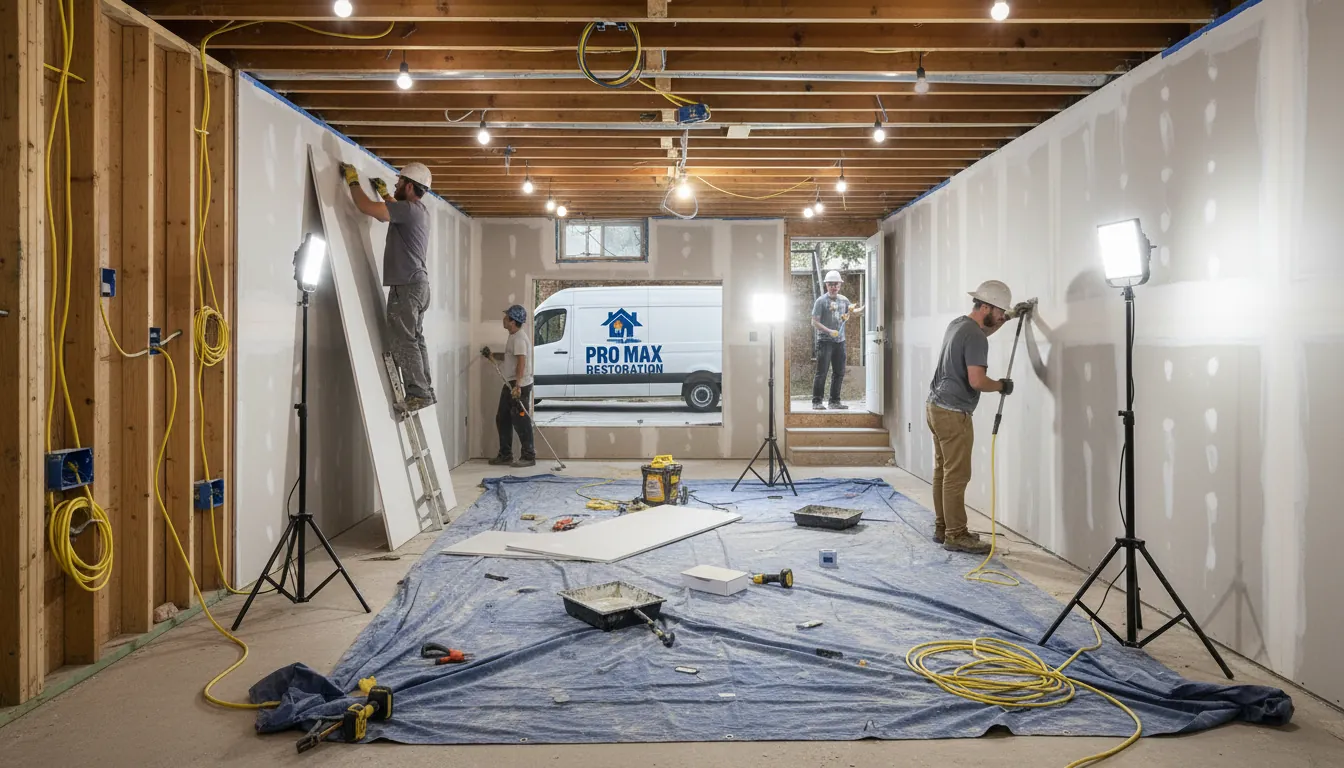
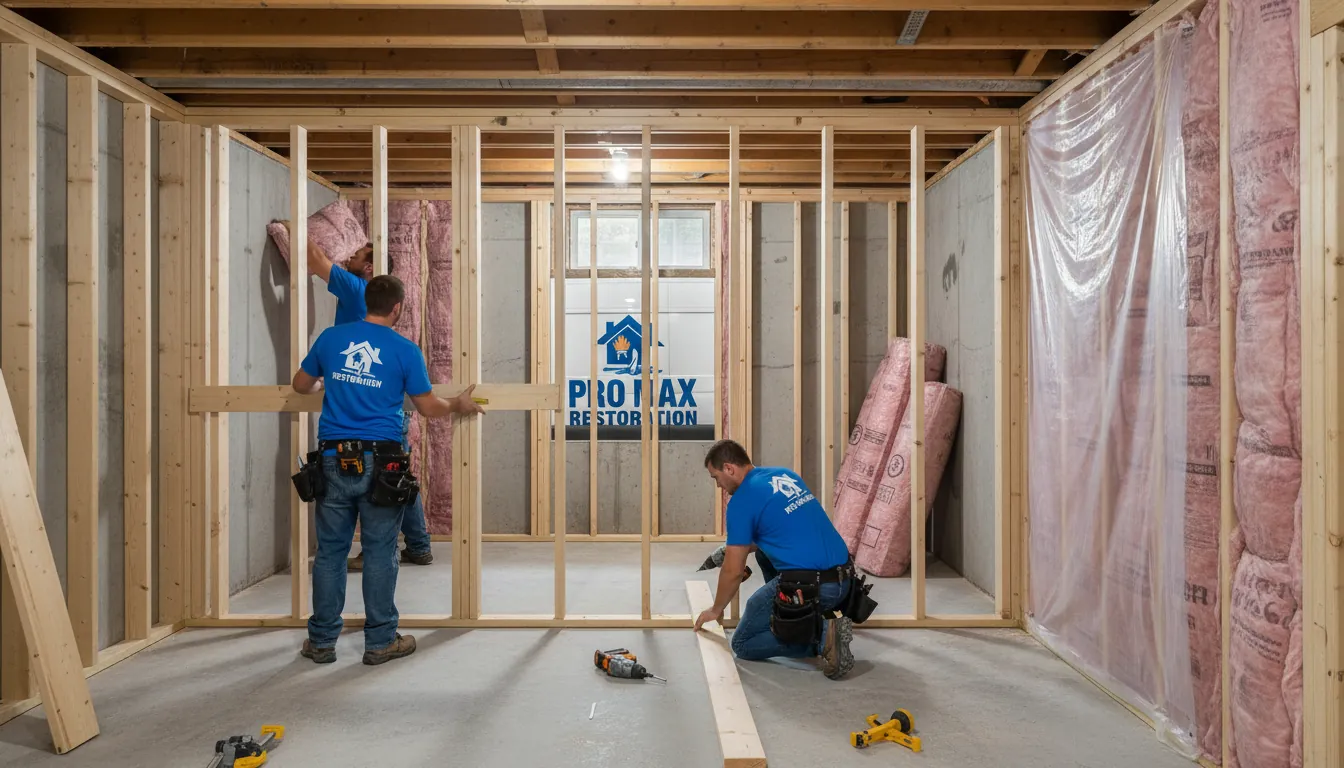
Complete Restoration Services in Toronto
One company for every emergency — from the first 45-minute response through complete rebuild.
When Toronto Properties Are Most at Risk
Water damage in the Greater Toronto Area is seasonal, and knowing which risk belongs to which month is the cheapest prevention there is. Here is the pattern we see across Torontoyear after year.
Winter
December – MarchFrozen and burst pipes
When temperatures fall below about -20C, water inside uninsulated supply lines freezes and expands, generating pressure that splits copper and PEX. Pipes in exterior walls, unheated garages and crawl spaces fail first, and the leak often runs for hours before anyone notices. This is our single busiest emergency window across Toronto.
Spring
March – MaySnowmelt and saturated ground
Rapid thaw combined with spring rain saturates the ground while it is still partly frozen, so water has nowhere to go but against foundations. Sump pumps run continuously, weeping tile that is cracked or clogged backs up, and any foundation crack in a Toronto home shows itself now.
Summer
June – SeptemberStorm surcharge and sewer backup
Short, intense thunderstorms overwhelm storm and combined sewers faster than they can drain. This is when sewer backups and overland flooding happen, and it is the season when a missing backwater valve costs Toronto homeowners the most.
Autumn
October – NovemberBlocked drainage and appliance failure
Leaves block eavestroughs, downspouts and window wells, sending roof water straight down the foundation. It is also when hot water tanks nearing the end of a 10 to 12 year life tend to let go, and when outdoor hose bibs left connected cause the first freeze-up.
The Standards We Work To
Our content is written and reviewed by the Pro Max Restoration technical team, the same IICRC-certified technicians who carry out water damage restoration, mold remediation and fire damage recovery across Toronto and the GTA every day. Guidance on this site reflects the IICRC S-500 and S-520 standards and what we see on real GTA properties, not generic advice.
IICRC S-500 Certified
The ANSI-approved Standard for Professional Water Damage Restoration. It governs how water losses are categorised, how structures are dried and how "dry" is verified with moisture readings rather than guesswork.
IICRC S-520 Certified
The ANSI-approved Standard for Professional Mold Remediation. It governs containment, negative air pressure, HEPA filtration, safe removal of affected materials and post-remediation verification.
Ontario O. Reg. 278/05 Compliant
Asbestos abatement is carried out to Ontario Ministry of Labour regulation O. Reg. 278/05, covering Type 1, 2 and 3 operations, air monitoring and disposal at licensed facilities.
Licensed & Fully Insured
We are a licensed and insured Ontario restoration contractor, and we carry the coverage required to work in occupied homes, condominiums and commercial properties.
Direct Insurance Billing
We bill Intact, Aviva, Desjardins, TD Insurance, Wawanesa, Co-operators and other major Canadian carriers directly, and we document every loss to the standard adjusters expect.
Calibrated Measurement, Not Guesswork
Every job uses FLIR thermal imaging and calibrated moisture meters, with daily readings logged until materials reach the IICRC dry standard. You receive that documentation.
How this guidance is written, measured and corrected: our editorial standards.
Commercial Water Damage Restoration in Toronto — Your Questions Answered
How quickly can you respond to commercial water damage in Toronto?
Can you dry our space while the business stays open?
Does commercial insurance cover water damage and lost income?
Who is responsible for water damage in a leased commercial unit?
How long does commercial water damage restoration take?
What happens with water damage in a restaurant or food premises?
How much does commercial water damage restoration cost in Toronto?
Need Commercial Water Damage Restoration in Toronto?
Call 416-988-3539 — IICRC-certified crews serving Toronto 24/7.