
What to Do in the First 24 Hours After a Basement Flood
Written & reviewed by the Pro Max Restoration Technical Team
IICRC-Certified Restoration Technicians
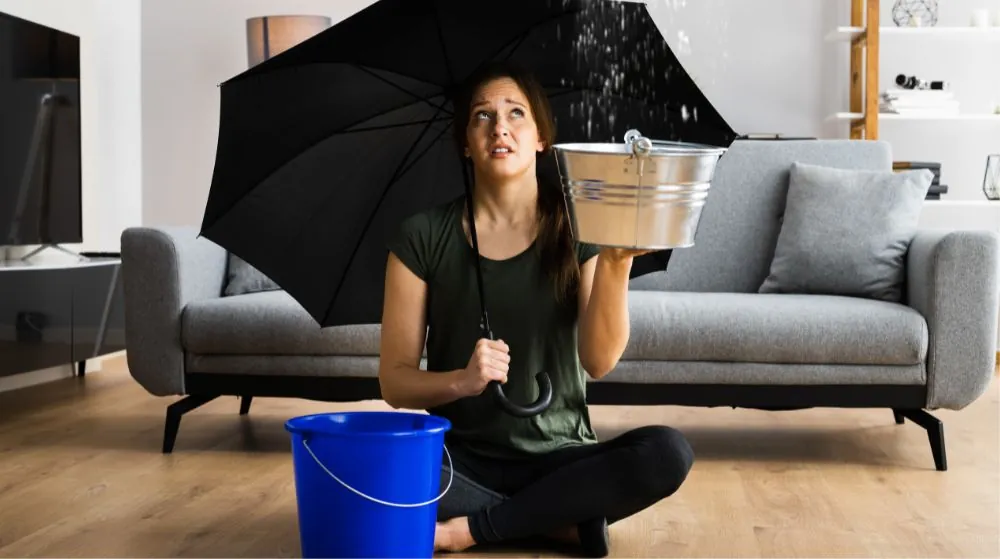
An hour-by-hour emergency guide for Toronto and GTA homeowners covering safety, stopping the source, insurance documentation, and the mistakes that turn a wet basement into a mold claim dispute.
A basement flood in the Greater Toronto Area turns into a mold and structural problem fast if the first 24 hours are mishandled. Whether the cause is a burst pipe, a failed sump pump, or a sewer backup during a summer storm, what you do — and don't do — in the next few hours determines how much of your basement, and your insurance claim, survives intact.
The First 15 Minutes: Safety Before Anything Else
Standing water and electricity are a lethal combination, and it's the single most common way homeowners get hurt after a basement flood. Do not enter standing water until the power to the basement has been shut off at the main electrical panel. If the panel itself is in the flooded area, or you would have to wade through water to reach it, do not attempt it — call an electrician or your local hydro utility to cut power from outside instead. Never touch the panel while you are standing in water, even in rubber boots.
If you smell gas at any point, leave the house immediately and call Enbridge Gas at 1-866-763-5427 from outside. Do not flip light switches, do not use a lighter, and do not go back inside until Enbridge or the fire department confirms it is safe.
Hour 1: Stop the Source of the Water
Once the property is safe to re-enter, find and stop what is feeding the flood. For a burst supply line, shut off the main water valve, usually located near the water meter or where the line enters the home. For a failed or overwhelmed sump pump, check the breaker and the discharge line for a kink or blockage, but do not attempt electrical repairs yourself. For a sewer backup, stop using every drain, toilet, and appliance in the house immediately; running any more water down the pipes only pushes more contaminated water into the basement. Our sewer backup restoration team treats this as a biohazard situation from the first call, and you should too.
Hour 1–2: Document Everything Before You Move Anything
Before you lift a single box or push a broom, photograph and video every affected area, wall, and piece of furniture from multiple angles. Open cabinets and closets so the water line is visible in the shots. For damaged electronics, appliances, and furniture, photograph the serial numbers and model plates as well — insurers frequently ask for them, and they're impossible to read once an item is wet and stacked in a pile. This documentation is the foundation of your claim, and doing it before cleanup starts protects you if there's ever a dispute about the extent of the loss.
Hour 2–4: Call Your Insurer, Then Call a Certified Restoration Company
Most Ontario home insurance policies require prompt notice of loss and reasonable steps to mitigate further damage — delaying either call can complicate a claim. Report the loss to your insurer first, then bring in an IICRC-certified restoration company to begin water extraction and drying, ideally the same day. Pro Max Restoration is certified to the IICRC S-500 standard for water damage and the S-520 standard for mold remediation, and we bill most major Canadian insurers directly, including Intact, Aviva, Desjardins, TD Insurance, Wawanesa, and Co-operators, so you're not paying out of pocket while the claim processes. If you're unsure how the process itself works, our guide on filing an insurance claim versus paying out of pocket walks through the tradeoffs, and our breakdown of what Ontario home insurance actually covers is worth reading if you're not sure this loss is covered at all. For general flood-preparedness resources, the Insurance Bureau of Canada also publishes helpful guidance for homeowners.
What You Can Safely Handle Yourself vs What Needs a Professional
A few tasks are safe and useful for a homeowner to do while waiting for help to arrive. Others should be left strictly to certified technicians.
Safe to do yourself
- Shutting off power at the panel from a dry location, or calling an electrician to do it
- Shutting the main water valve or stopping sump pump feed lines
- Photographing and video-documenting the damage
- Moving small, easily lifted valuables and documents to a dry area
- Calling your insurer to open a claim
Leave to certified technicians
- Any water extraction involving standing water deeper than an inch or two
- Anything involving sewage or contaminated water
- Structural drying, including behind walls and under flooring
- Mold assessment and remediation once 24–48 hours have passed
- Electrical or gas system inspection and repair
Our water damage restoration and flooded basement teams handle exactly this split every day: we take over the extraction, drying, and structural work so you're not risking your safety or making a mistake that shrinks your claim.
Why the 24–48 Hour Window Matters So Much
Mold can begin colonizing wet building materials within 24 to 48 hours under the right conditions, per IICRC guidance, and a typical GTA basement in summer provides exactly those conditions: warmth, organic material in drywall and framing, and trapped humidity. That's why professional-grade extraction and structural drying, not a shop vac and a box fan, needs to start as close to hour one as possible. Once mold takes hold behind a wall, the job stops being a drying job and becomes a remediation job under the IICRC S-520 standard, with a longer timeline and a larger scope.
Mistakes That Make a Basement Flood Worse
- Using a household vacuum on standing water. Regular vacuums aren't built for water and create a serious electrocution risk.
- Running the HVAC system if sewage is involved. This can spread contamination and odour throughout the entire house.
- Throwing out damaged items before the adjuster documents them. Discard piles disappear before an adjuster ever sees them, which can shrink your settlement.
- Assuming a dry-looking floor means a dry structure. Subfloor, insulation, and framing can stay saturated for days after the surface looks dry, which is exactly how hidden mold gets started.
Hour-by-Hour Timeline at a Glance
- Minute 0–15: Confirm safety. Power off at the panel from a dry area only; leave and call Enbridge at 1-866-763-5427 if you smell gas.
- Hour 1: Stop the source — main valve, sump pump breaker, or stop all drain use for a sewer backup.
- Hour 1–2: Photograph and video every affected area and item, including serial numbers, before moving anything.
- Hour 2–4: Call your insurer to report the loss, then call an IICRC-certified restoration company.
- Hour 4–8: Extraction and containment begins; move any valuables you can safely reach to a dry area.
- Hour 8–24: Structural drying equipment is placed and monitored; avoid disturbing wet materials or walking through drying zones.
- Hour 24–48: Daily moisture readings continue, and mold risk assessment begins on any materials that haven't fully dried.
Once your basement is dry and repaired, ask your restoration company about safeguards for next time. Our basement flood prevention guide covers GTA-specific fixes like backwater valves and sump pump battery backups so this doesn't happen twice.
Get Help Within 45 Minutes
Pro Max Restoration has restored more than 600 GTA properties over 15-plus years, and our crews target a roughly 45-minute emergency response, 24/7/365. If your basement is flooding right now, call 416-988-3539 or reach out through our contact page and we'll walk you through the first steps while a crew is on the way.
Frequently Asked Questions
How soon after a basement flood does mold start growing?
Should I turn off the power before entering a flooded basement?
What should I do if I smell gas after a flood?
Do I need to call my insurance company right away?
Can I throw out ruined carpet and furniture right away?
Need Professional Restoration Help?
Our IICRC-certified team is available 24/7 for emergencies and free consultations.
Call 416-988-3539