
Mold Removal in Etobicoke
From Humber Bay Shores condos to Kingsway basements and Rexdale bungalows, our IICRC S-520 crews test, contain and remove mold across Etobicoke, with documented clearance at the end of every job.
Last updated:
Trusted Mold Removal in Etobicoke
Etobicoke is framed by water on three sides. The Humber River forms its eastern boundary, Etobicoke Creek runs along the west, Mimico Creek cuts through the middle, and the whole district slopes down to Lake Ontario at Humber Bay, Mimico, New Toronto and Long Branch. Inside those lines sits some of the most varied housing in Toronto: interwar Tudor and Georgian homes in the Kingsway and Humber Valley Village, 1950s and 1960s bungalows and split-levels in Rexdale, Thistletown, Eringate, Richview and Markland Wood, small lakeshore lots being rebuilt as large infill houses in Alderwood and Long Branch, and dense condo towers at Humber Bay Shores and around Islington and Kipling. Mold removal in Etobicoke therefore covers everything from century-old plaster to a two-year-old condo suite, and the approach has to change with the building.
Condominiums now account for a large share of the calls we receive here. Along the lakeshore, towers built from the 2000s onward commonly use floor-to-ceiling window-wall systems and in-suite fan coil units for heating and cooling. Both are frequent mold sources: window frames and sills collect condensation in cold weather, and fan coil drip trays and condensate lines can overflow or clog, soaking drywall and flooring in a closet that nobody opens. Because a suite is a sealed box with limited fresh air, humidity from cooking, showers and plants builds quickly. Condo mold remediation in Etobicoke also involves the condominium corporation, building rules and sometimes neighbouring units, so clear documentation matters from the first visit.
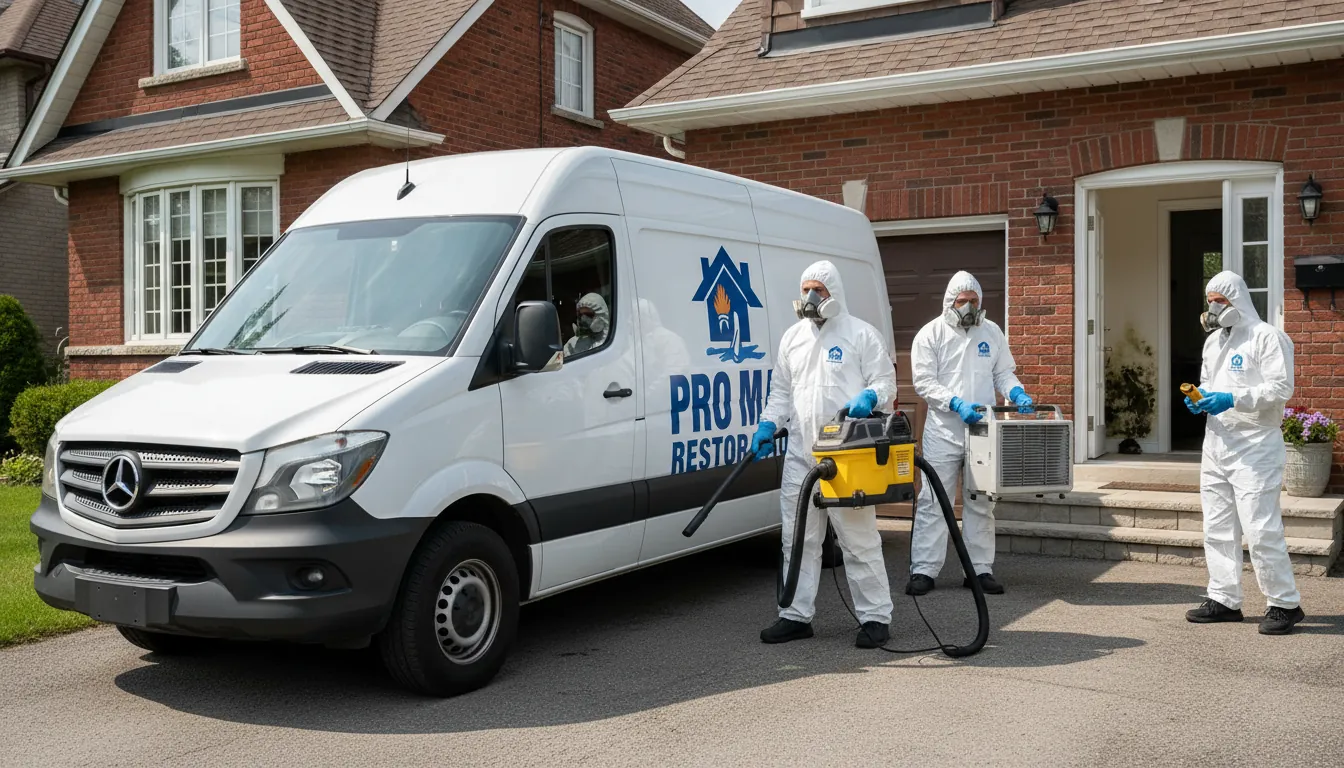
In houses, the story is usually the basement or the attic. Ravine-side lots along the Humber and Mimico Creek stay shaded and damp, mature trees push roots into old drain lines, and heavy summer storms, including July 2013, have flooded basements across west Toronto. Pro Max Restoration handles basement mold removal, attic mold and black mold removal in Etobicoke to the IICRC S-520 standard, with thermal imaging and moisture meters to find the source, HEPA containment under negative air and post-remediation clearance testing. Crews are on call 24/7 with a typical 45-minute response, and we bill insurers directly on eligible claims.
- Experienced with condo remediation, including property management coordination, elevator bookings and hallway protection
- Fan coil, window-wall and in-suite leak investigation with thermal imaging and moisture meters
- Careful work around original plaster, millwork and built-ins in Kingsway and Humber Valley homes
- IICRC S-520 containment with HEPA negative air and post-remediation clearance testing
- Documentation suited to condominium corporations, unit owners and insurers
- 24/7 dispatch with a typical 45-minute response and direct billing to major insurers
Common Causes of Mold Growth in Etobicoke
After 600+ GTA restoration projects, we know exactly how Etobicoke homes are affected — and how to fix it for good.
Lakeshore Condo Condensation
Window-wall suites at Humber Bay Shores and along Lake Shore Boulevard often see heavy condensation on frames and sills in January and February. Water runs down onto drywall returns and flooring, and mold follows along the window perimeter, behind blinds and in the corners of bedrooms with the most glass.
Fan Coil and Condensate Leaks
In-suite fan coil units collect condensation in a drip tray that drains through a small line. When that line clogs or the tray cracks, water spills inside the mechanical closet and wicks into the surrounding walls and floor, often out of sight until a neighbour below reports a stain.
Interwar Basements in the Kingsway
Homes built in the 1920s through the 1940s in the Kingsway and Humber Valley Village often have parged foundations, original clay drains and basements finished several times over. Moisture moving through the old walls feeds mold behind plaster, wood panelling and built-in cabinetry.
Humber and Mimico Creek Ravine Lots
Properties backing onto the Humber, Mimico Creek and Etobicoke Creek valleys sit in shade under mature canopy, with damp soil and heavy root pressure on older drain lines. North-facing walls and foundation corners on these lots are common mold hotspots.
Infill Construction Moisture
New infill homes in Alderwood, Long Branch and Mimico are built tight, and framing or concrete that was closed in before it dried can release moisture for the first year or two. Combined with deep basements near the lake, this can produce mold in homes that are almost brand new.
Mold almost always traces back to a moisture source — a leaking basement, a past water damage event, or poor ventilation. We fix the source and verify the air — request a free quote.
Mold Removal in Etobicoke: Condos, Ravine Lots and Interwar Homes
Condo mold in Etobicoke usually starts with one of three things: condensation on window-wall glazing, a fan coil unit that has leaked for weeks, or water from another suite. Fan coils are the least visible. They sit in a closet, draw air across a coil that produces condensation in cooling season, and rely on a small drain line and tray to carry that water away. Dust, biological slime or a poorly sloped line can cause the tray to overflow, and water runs down inside the closet walls and under flooring. By the time a stain appears on a ceiling below or a musty smell reaches the living room, the drywall and baseboards around the unit are often colonised. Our inspection checks the closet walls, the subfloor and the adjacent rooms with moisture meters and thermal imaging.
Working inside a condo tower brings practical constraints that affect how remediation is done. Most buildings require a certificate of insurance, elevator bookings for equipment and debris, protection for hallways and restricted working hours. Containment has to be built inside the suite without blocking exits, and negative air exhaust has to be managed so it does not push contaminated air into the corridor. If the leak came from a common element or another unit, property management needs to be involved early. We prepare a scope and photo record that the corporation, the owner and the insurer can all work from, which keeps the remediation moving instead of stalling while parties debate responsibility.
The Kingsway, Humber Valley Village and Islington Village present a very different picture. Homes here were built from the 1920s onward with solid masonry or parged concrete foundations, original clay drains and, in many cases, finished basements with plaster, wood panelling, bars and built-in cabinets. Over decades, foundation moisture and small plumbing leaks leave mold behind finishes that owners are reluctant to remove. Where possible, we remove only what is actually contaminated and dry or clean the rest, but when plaster or millwork has been wet long enough to support growth, it has to come out. Testing for asbestos before disturbing older plaster and joint compound is part of the plan.
Along the lakeshore, in Mimico, New Toronto, Long Branch and Alderwood, lots are smaller and many original postwar bungalows have been replaced by large infill homes with deep basements. New construction is not immune to mold. Lumber and concrete hold significant moisture when a house is closed in quickly, and a tight building envelope keeps that moisture inside unless ventilation is balanced and working from day one. We see mold on basement framing, in cold rooms and on attic sheathing in homes less than five years old. In those cases, finding out whether the cause is construction moisture, a defect or occupant humidity guides both the fix and any conversation with the builder.
Northern Etobicoke, from Rexdale and Thistletown to Humberwood, sits close to the Humber valley, where Hurricane Hazel in 1954 caused severe flooding and led to the floodplain management that shapes the valley today. Many homes here are 1950s and 1960s bungalows with block foundations and basement units, plus mid-rise and high-rise rental buildings. Basement mold removal in these homes follows the same principles as anywhere else: find and fix the water, contain the work area with HEPA filtration and negative air, remove what cannot be cleaned, and confirm the result with post-remediation clearance testing. With more than 15 years in restoration and over 600 GTA projects, our team brings that same process to every Etobicoke property type.
Condo Mold in Etobicoke: A Practical Guide for Owners and Tenants
Start by finding out whether the moisture is coming from inside or outside your suite. Mold concentrated along window frames and exterior walls in winter usually points to condensation or a building envelope issue. Mold in the fan coil closet, under the kitchen sink or around the tub points to an in-suite leak. Staining on the ceiling usually means water from above. Photograph what you see, note the date and report it to property management in writing, because timely notice often matters for both the corporation's response and your insurance.
Control what you can inside the suite. Run the bathroom fan during and for 20 to 30 minutes after showers, use the range hood when cooking, and avoid drying clothes on racks indoors. Keep blinds and curtains a little open during cold weather so warm air can reach the glass, and do not push beds or sofas tight against exterior walls. A small dehumidifier in the most affected room is inexpensive and effective in lakeshore suites that stay humid.
Have the fan coil serviced regularly. Many Etobicoke buildings schedule annual maintenance, but owners and tenants can also watch for warning signs between visits: water in the tray, a musty smell when the unit starts, gurgling sounds or damp carpet near the closet. Replace filters on schedule, keep the closet door clear and report any water immediately. Catching an overflow early can be the difference between a quick repair and a full remediation.
If you are a tenant, your landlord, whether an individual owner or a corporation, is responsible for repairs under Ontario's Residential Tenancies Act, while you are responsible for day-to-day habits that affect humidity. Clear communication helps both sides. We can provide an inspection report that identifies the likely source and extent of the mold, giving everyone the same facts before decisions are made about remediation.
Signs You Need Mold Removal in Etobicoke
Mold often grows out of sight, behind drywall and under flooring, long before you see it. If you notice any of the following in your Etobicoke home, book a professional mold inspection before the problem spreads further.
- A persistent musty or earthy smell that never fully goes away
- Visible black, green or white spotting on walls, ceilings or grout
- Peeling paint, bubbling wallpaper or discoloured drywall
- Condensation on windows and consistently high indoor humidity
- Worsening allergy, asthma or respiratory symptoms that ease when you leave the house
- Any previous flood, leak or water damage that was not professionally dried
Emergency Mold Help in Etobicoke
Our IICRC-certified crews are on call 24 hours a day, 365 days a year and reach Etobicoke in about 45 minutes with the equipment to stop the damage immediately.
Our Mold Removal Process in Etobicoke
Every Etobicoke mold remediation follows the IICRC S-520 standard, from testing and containment through clearance verification, so the mold is removed safely and does not come back.
Inspection & Mold Testing
We inspect the affected areas of your Etobicoke property and carry out air-quality and surface sampling to confirm the mold species, including black mold (Stachybotrys chartarum), and establish exactly how far the growth has spread before any work begins.
Finding the Moisture Source
Mold is always a moisture problem first. Using thermal imaging and moisture meters we trace the water behind the growth, whether that is a foundation leak, a past flood, plumbing seepage or condensation from poor ventilation.
HEPA Containment & Negative Air
We seal the work area and run HEPA-filtered negative air pressure so spores cannot spread into clean parts of your Etobicoke home during removal. This step is never optional; disturbing mold without containment makes the problem significantly worse.
IICRC S-520 Mold Remediation
Affected porous materials are removed and bagged for safe disposal, and salvageable surfaces are HEPA-vacuumed and cleaned to the IICRC S-520 standard, the recognised benchmark for professional mold remediation in North America.
Antimicrobial Treatment & Drying
We apply antimicrobial treatments to treated surfaces and dry the area thoroughly with commercial dehumidification, because residual moisture is the single reason remediated mold ever returns.
Clearance Testing & Rebuild
Post-remediation verification testing confirms the air in your Etobicoke home is safe before we rebuild. You receive documented clearance results, and our team restores any drywall, insulation and finishes that had to be removed.
Why Etobicoke Property Owners Choose Pro Max for Mold Removal
15+ years, 600+ restored GTA properties and a perfect 5-star Google rating, backed by the certifications and insurance relationships that matter when it is your home on the line.
IICRC-Certified Technicians
Every Etobicoke job is led by technicians certified to the IICRC S-500 water damage and S-520 mold remediation standards, the benchmarks Canadian insurers recognise and expect.
45-Minute Emergency Response
We answer the phone 24 hours a day, 365 days a year and reach Etobicoke properties in about 45 minutes, because the first 24 to 48 hours decide whether materials are dried and saved or demolished and replaced.
Direct Insurance Billing
We document every loss with photographs and moisture readings and bill Intact, Aviva, Desjardins, TD Insurance, Wawanesa, Co-operators and all other major Canadian carriers directly, so covered work costs you nothing beyond your deductible.
One Company, Start to Finish
Emergency extraction, structural drying, mold prevention and the complete rebuild are all handled in-house. One company, one warranty and no coordinating three different contractors while your Etobicoke home sits damaged.
15+ Years and 600+ Properties
We have restored more than 600 properties across the Greater Toronto Area since 2009 and hold a perfect 5.0 Google rating, so you are trusting your Etobicoke home to a team that has genuinely seen it all.
Written Estimates, No Surprises
You receive a clear, itemised written estimate before work begins, and we review the scope directly with your adjuster so there are no disputed line items or unexpected costs at the end of the project.
Mold Removal Service Areas Across Etobicoke
We provide fast, mold removal in every Etobicoke neighbourhood, including:
Recent Mold Removal Projects in Etobicoke
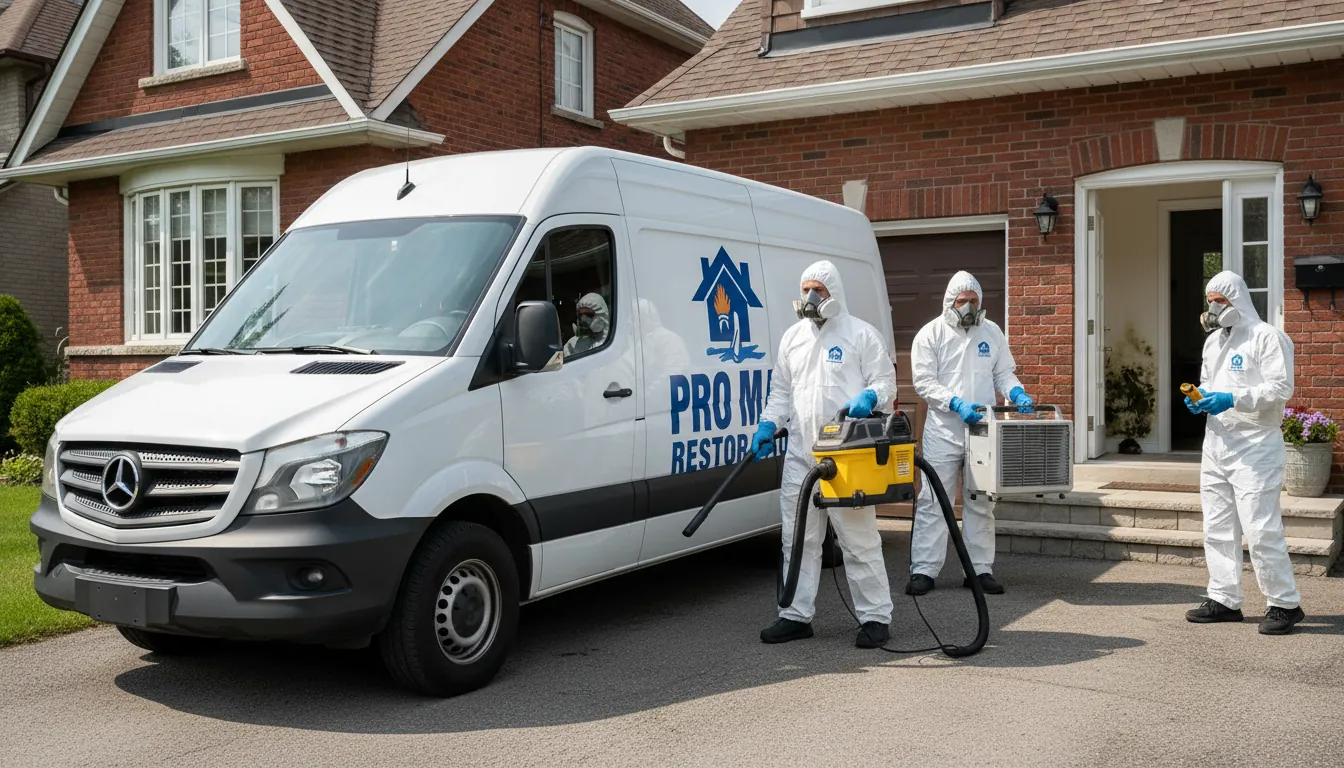
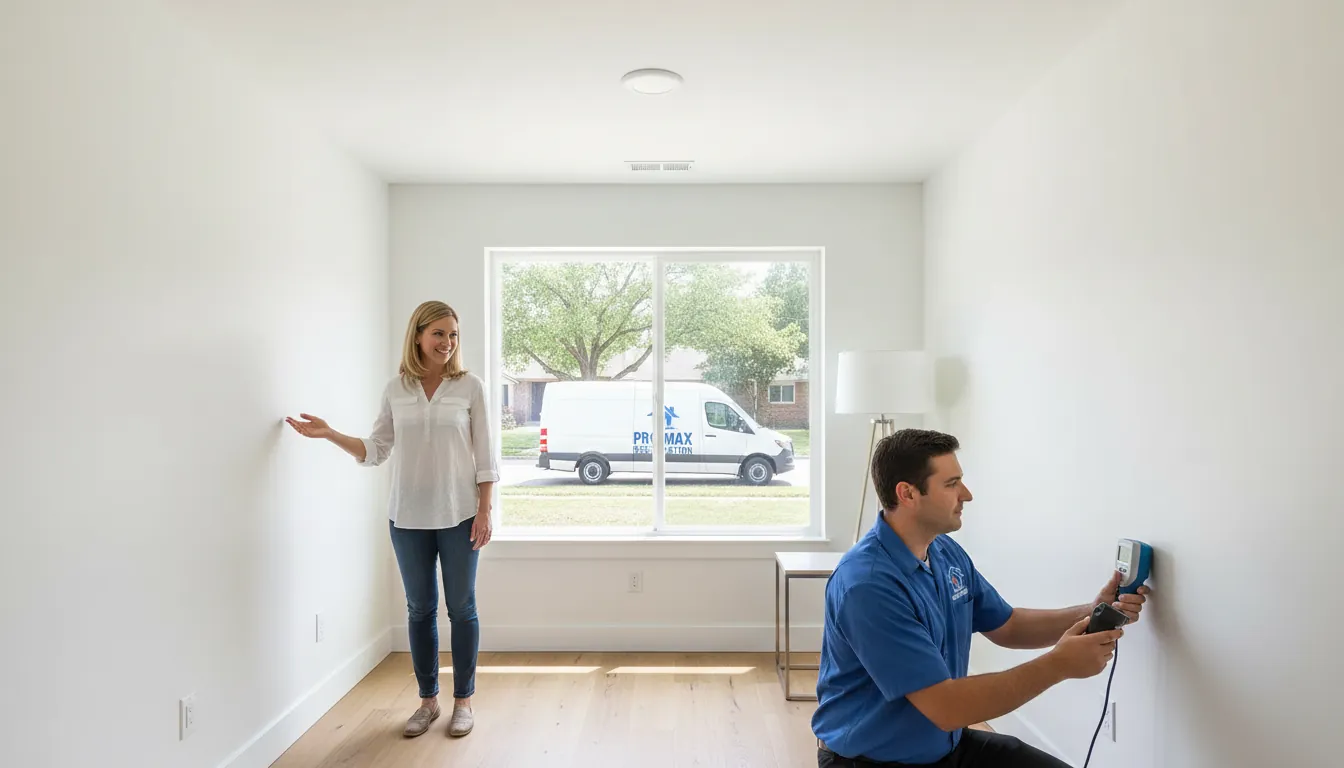
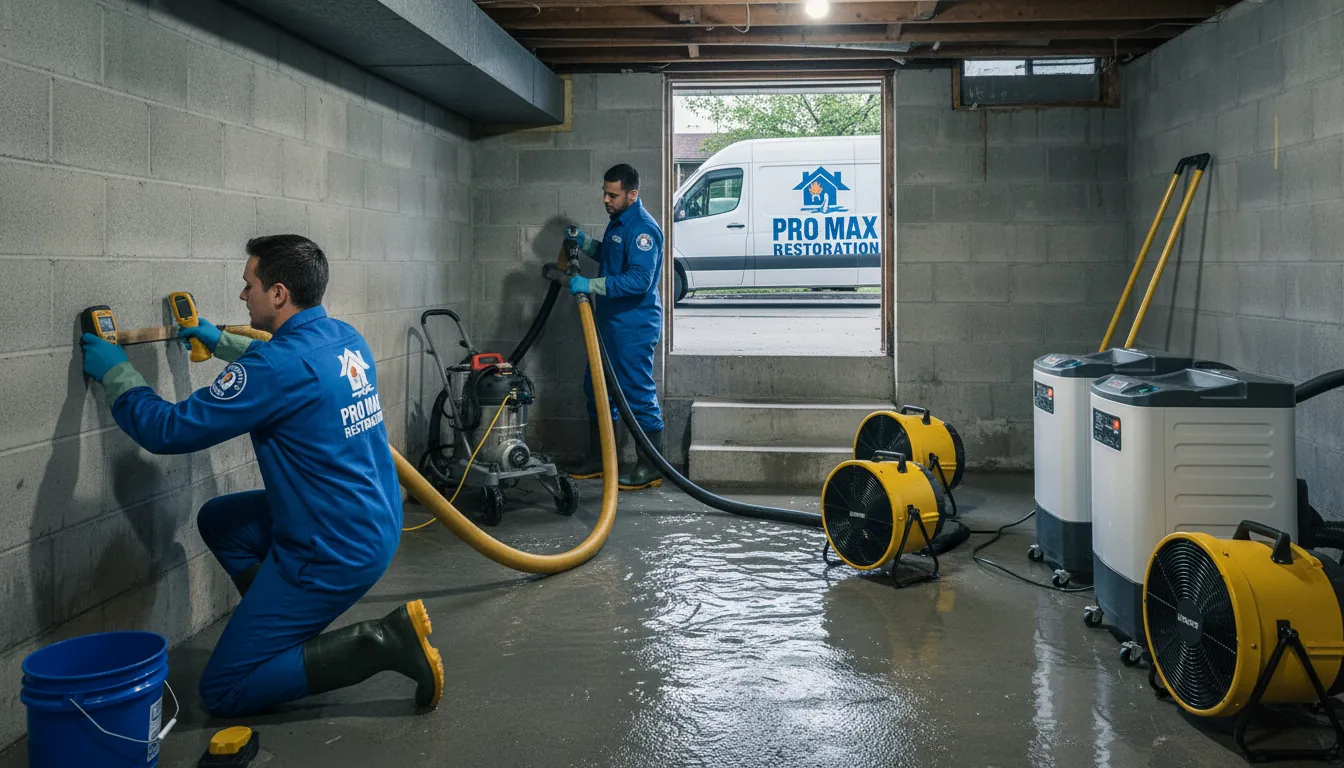
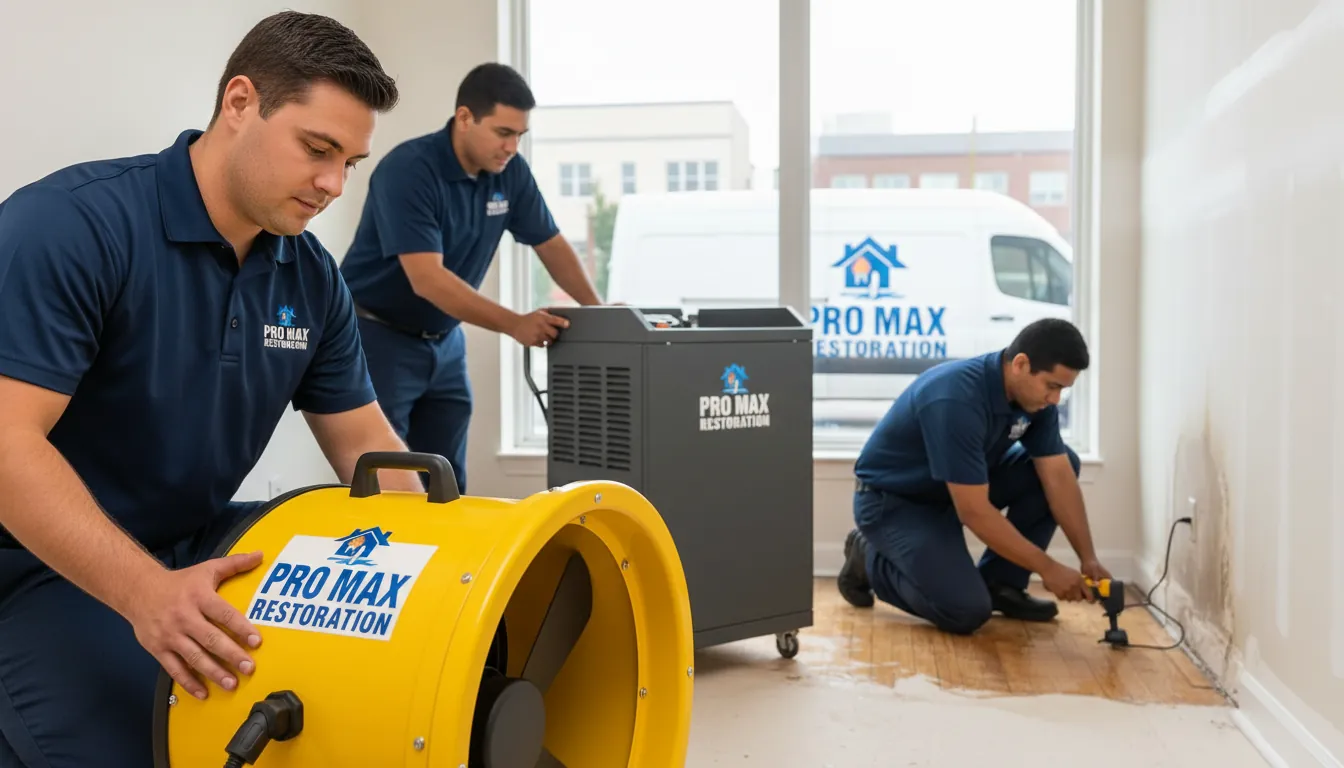
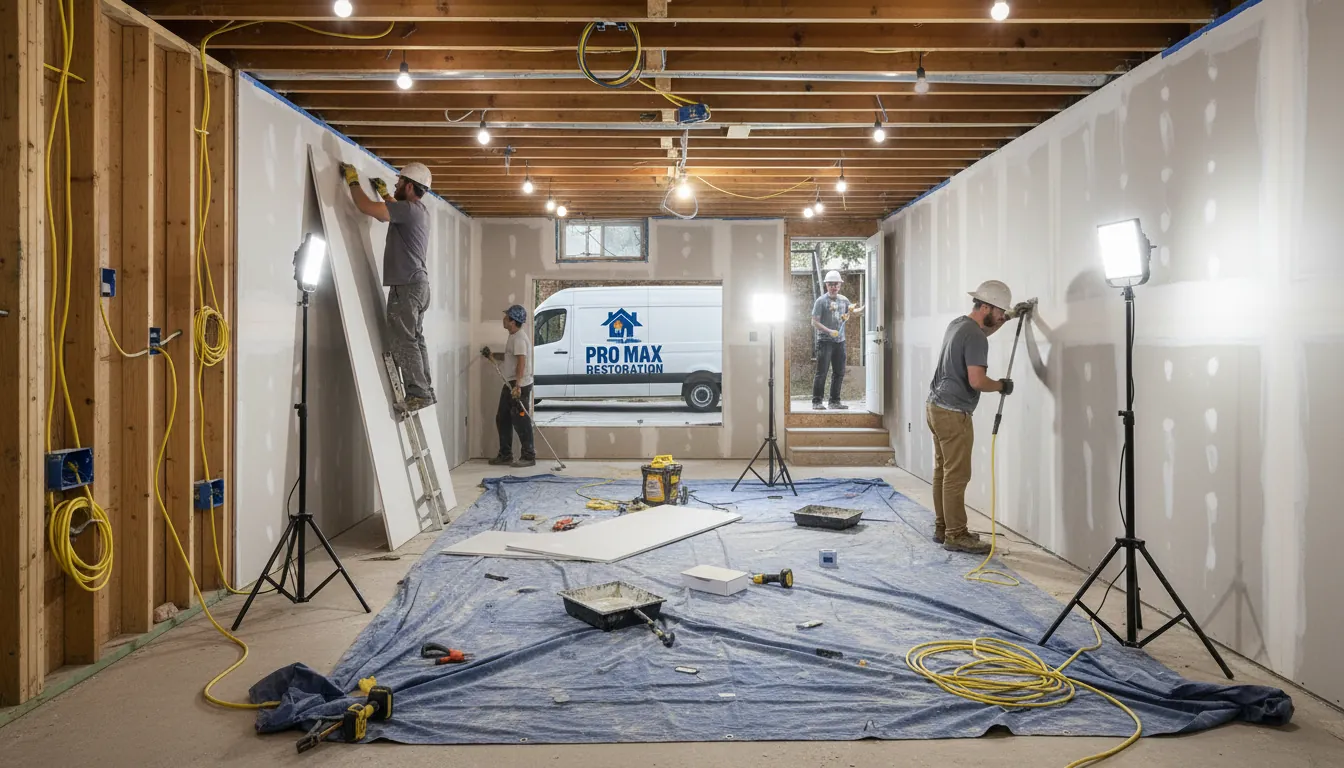
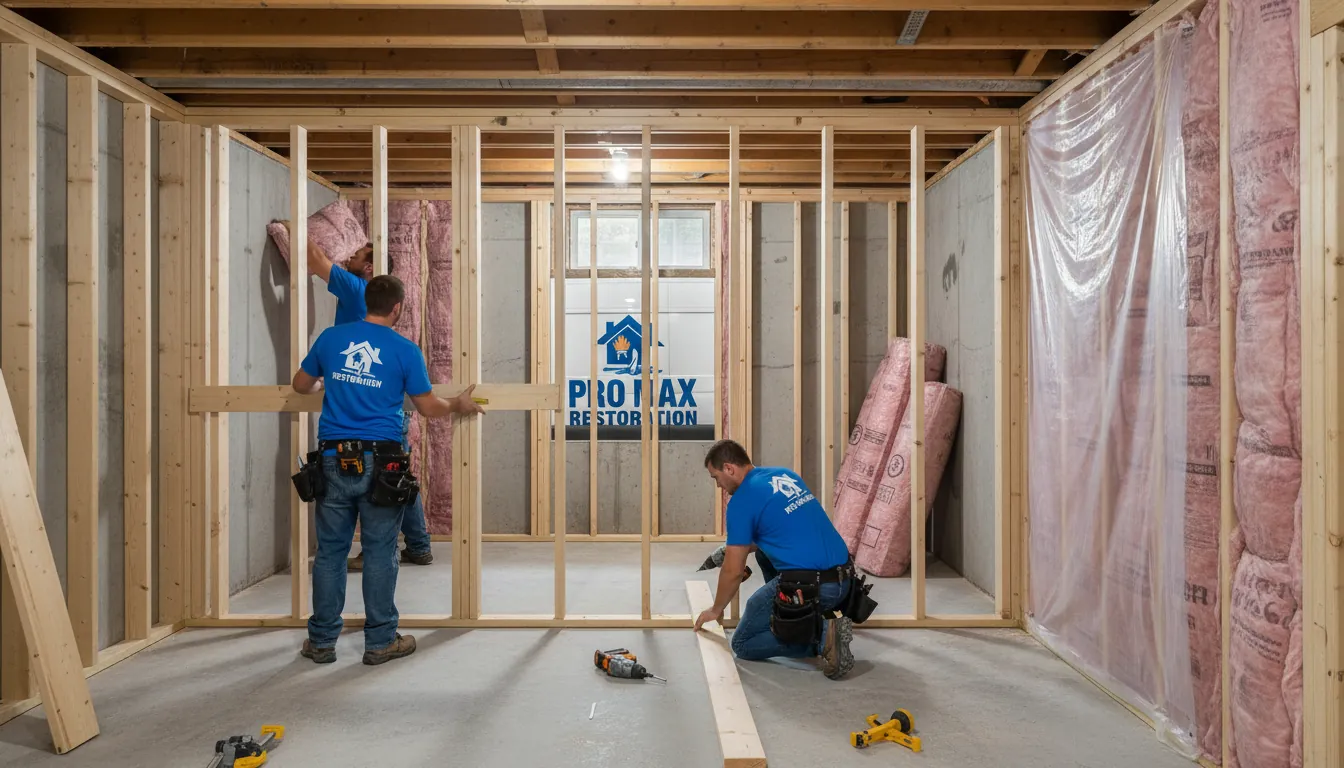
A look at real mold removal work completed by our IICRC-certified crews for homeowners in Etobicoke and across the Greater Toronto Area.
Complete Restoration Services in Etobicoke
One company for every emergency — from the first 45-minute response through complete rebuild.
When Etobicoke Properties Are Most at Risk
Water damage in the Greater Toronto Area is seasonal, and knowing which risk belongs to which month is the cheapest prevention there is. Here is the pattern we see across Etobicokeyear after year.
Winter
December – MarchFrozen and burst pipes
When temperatures fall below about -20C, water inside uninsulated supply lines freezes and expands, generating pressure that splits copper and PEX. Pipes in exterior walls, unheated garages and crawl spaces fail first, and the leak often runs for hours before anyone notices. This is our single busiest emergency window across Etobicoke.
Spring
March – MaySnowmelt and saturated ground
Rapid thaw combined with spring rain saturates the ground while it is still partly frozen, so water has nowhere to go but against foundations. Sump pumps run continuously, weeping tile that is cracked or clogged backs up, and any foundation crack in a Etobicoke home shows itself now.
Summer
June – SeptemberStorm surcharge and sewer backup
Short, intense thunderstorms overwhelm storm and combined sewers faster than they can drain. This is when sewer backups and overland flooding happen, and it is the season when a missing backwater valve costs Etobicoke homeowners the most.
Autumn
October – NovemberBlocked drainage and appliance failure
Leaves block eavestroughs, downspouts and window wells, sending roof water straight down the foundation. It is also when hot water tanks nearing the end of a 10 to 12 year life tend to let go, and when outdoor hose bibs left connected cause the first freeze-up.
The Standards We Work To
Our content is written and reviewed by the Pro Max Restoration technical team, the same IICRC-certified technicians who carry out water damage restoration, mold remediation and fire damage recovery across Toronto and the GTA every day. Guidance on this site reflects the IICRC S-500 and S-520 standards and what we see on real GTA properties, not generic advice.
IICRC S-500 Certified
The ANSI-approved Standard for Professional Water Damage Restoration. It governs how water losses are categorised, how structures are dried and how "dry" is verified with moisture readings rather than guesswork.
IICRC S-520 Certified
The ANSI-approved Standard for Professional Mold Remediation. It governs containment, negative air pressure, HEPA filtration, safe removal of affected materials and post-remediation verification.
Ontario O. Reg. 278/05 Compliant
Asbestos abatement is carried out to Ontario Ministry of Labour regulation O. Reg. 278/05, covering Type 1, 2 and 3 operations, air monitoring and disposal at licensed facilities.
Licensed & Fully Insured
We are a licensed and insured Ontario restoration contractor, and we carry the coverage required to work in occupied homes, condominiums and commercial properties.
Direct Insurance Billing
We bill Intact, Aviva, Desjardins, TD Insurance, Wawanesa, Co-operators and other major Canadian carriers directly, and we document every loss to the standard adjusters expect.
Calibrated Measurement, Not Guesswork
Every job uses FLIR thermal imaging and calibrated moisture meters, with daily readings logged until materials reach the IICRC dry standard. You receive that documentation.
How this guidance is written, measured and corrected: our editorial standards.
Mold Removal in Etobicoke — Your Questions Answered
How much does mold removal cost in Etobicoke?
Who pays for mold removal in my Etobicoke condo, me or the corporation?
Why do my condo windows grow mold every winter?
Can I clean a small patch of mold myself in Etobicoke?
Does home or condo insurance cover mold in Ontario?
Should I test for mold before buying an older Etobicoke home?
How long does condo mold remediation take?
Need Mold Removal in Etobicoke?
Call 416-988-3539 — IICRC-certified crews serving Etobicoke 24/7.