
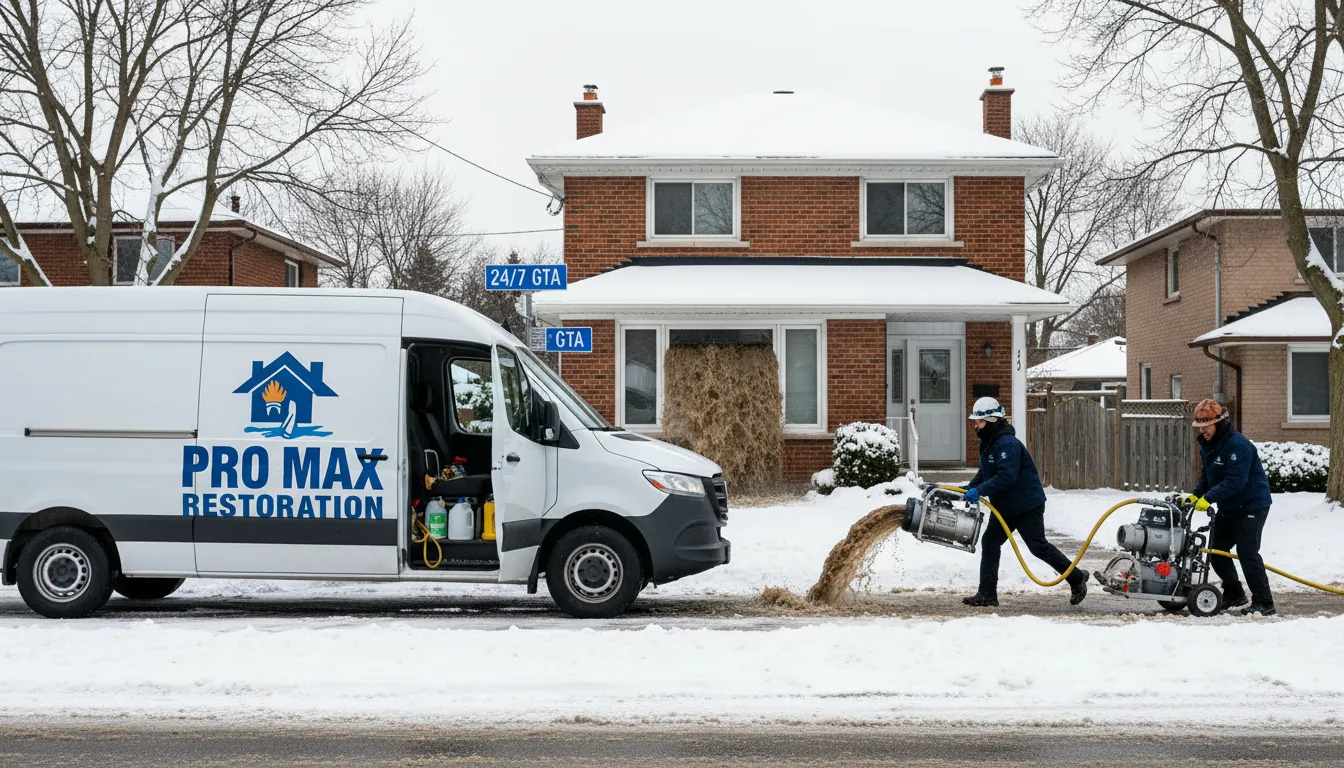
Water Extraction & Structural Drying in Toronto
Standing water, soaked carpet or wet drywall in your Toronto home or building? Pro Max Restoration arrives in about 45 minutes, 24/7, with truck-mounted and portable extractors, commercial dehumidifiers and calibrated meters, then dries your property to the IICRC S-500 standard with readings logged every day.
Last updated:
Trusted Water Extraction & Structural Drying in Toronto
Water extraction and structural drying are the part of a water damage job that decides how it ends. Every litre pulled out as liquid is a litre that does not have to be evaporated from drywall, framing and flooring, and extraction removes water far faster and more cheaply than any amount of drying equipment can. That is why emergency water removal starts the moment our crew arrives, with truck-mounted extractors for houses and portable units for condos and upper floors, followed by specialty wands that pull water out of carpet and cushion. What remains after extraction is the water that has soaked into materials, and removing that is what structural drying is about. Done properly, it means drywall, subfloors and often hardwood can be saved instead of torn out.
Structural drying means drying the building, not just the air. The goal is to bring each wet material back to its normal moisture level, known as the dry standard, which we measure against similar materials in unaffected parts of the same property. Toronto buildings make that interesting: basement slabs that wick moisture from below, plaster walls in century homes, engineered and solid hardwood, and condo floors where water sits on concrete under laminate. Seasons matter as well. Humid summer air slows evaporation if a space is not properly dehumidified, and cold basements in winter reduce the performance of standard dehumidifiers, which is where desiccant equipment earns its place. Getting these details right is what separates a property that is genuinely dry from one that only looks dry when the equipment leaves.
Every drying job we run follows a written plan based on the IICRC S-500 standard, starting with the category of water and the class of the loss. We place air movers to push dry air across wet surfaces, choose LGR or desiccant dehumidifiers to suit the temperature and materials, and measure moisture every day with calibrated meters and FLIR thermal imaging, adjusting equipment as materials dry and removing units from areas that have finished so power use and noise stay reasonable. Most residential jobs reach the dry standard in about three to five days. We respond 24/7 in about 45 minutes from our North York head office, bill major insurers directly, and bring 15+ years and more than 600 GTA projects to every drying plan.
- Truck-mounted extraction for houses and portable extractors for condos and upper floors.
- LGR and desiccant dehumidifiers chosen to suit temperature, humidity and materials on site.
- A written drying plan based on the IICRC S-500 water category and class of loss.
- Daily moisture readings logged against a dry standard taken from unaffected materials.
- Specialty drying for hardwood, subfloors, wall cavities and concrete to avoid needless tear-out.
- About 45-minute response 24/7 and direct billing to major Canadian insurers.
Common Causes of Water Damage in Toronto
After 600+ GTA restoration projects, we know exactly how Toronto homes are affected — and how to fix it for good.
Flash Flooding From Summer Storms
Toronto's worst flood days come from intense summer downpours. On July 8, 2013, more than 120 mm of rain fell at Pearson Airport in a few hours, and intense rainfall on July 16, 2024 flooded roads, underground garages and basements across the city. Below-grade spaces fill quickly, and water that sits on slabs and in finished walls needs extraction within hours.
Frozen and Burst Pipes
During cold snaps, pipes in exterior walls, garages and unheated crawlspaces can freeze and split. The leak often appears when the pipe thaws, sometimes while owners are away, releasing hundreds of litres an hour into ceilings, walls and flooring, and spreading across several floors before the main shut-off is closed.
Sump Pump and Backwater Failures
A sump pump that fails during a storm-related power outage, or a backwater valve that is stuck or was never installed, can put grey or black water across a basement. Contaminated water changes the drying plan, because porous materials it touched usually need to be removed rather than dried.
Water Heater and Appliance Failures
Tank water heaters, washing machine hoses, dishwasher lines and refrigerator supply lines fail with little warning. Because they usually sit on or near finished floors, water spreads quickly under laminate, vinyl plank and hardwood, where it cannot be seen and cannot evaporate without targeted drying.
Hidden Wicking After Small Leaks
Drywall wicks water upward well above the visible wet line, and bottom plates, insulation and subfloors hold water long after surfaces feel dry. Small leaks that are mopped up and left under a fan often leave moisture inside walls, which is how many mold problems begin weeks after the event.
Many of these emergencies start as a flooded basement or a sewer backup, and standing water quickly leads to mold. Catching it fast is what protects your Toronto property — request a free quote or call us the moment you spot water.
Structural Drying Explained: How Toronto Properties Are Dried to the IICRC S-500 Standard
Every drying plan starts with the category of water, because it determines what can be dried and what must be removed. Under IICRC S-500, Category 1 is clean water from a sanitary source such as a burst supply line; most materials can be dried in place. Category 2, or grey water, carries significant contamination, such as washing machine or dishwasher discharge; some porous materials may need removal, and surfaces are cleaned and treated. Category 3, or black water, includes sewage, storm flooding and water from outside the building; porous materials it contacted are generally removed, and containment and protective equipment are required. Category can worsen over time: clean water that sits for a day or two in a warm basement can degrade, which is one more reason fast extraction matters.
The class of loss describes how much water has to be evaporated, which in turn sizes the equipment. In the current edition of the S-500 standard, Class 1 describes a space where wet porous materials make up less than about five per cent of the combined floor, wall and ceiling surface area. Class 2 covers roughly five to 40 per cent, and Class 3 more than 40 per cent, typically where water came from above and soaked ceilings, walls and flooring. Class 4 is different: it applies to deeply held or bound water in low-evaporation materials such as hardwood, plaster, concrete and masonry, which need specialty drying methods, lower humidity and more time. Most Toronto basement floods are Class 2 or 3, often with Class 4 areas.
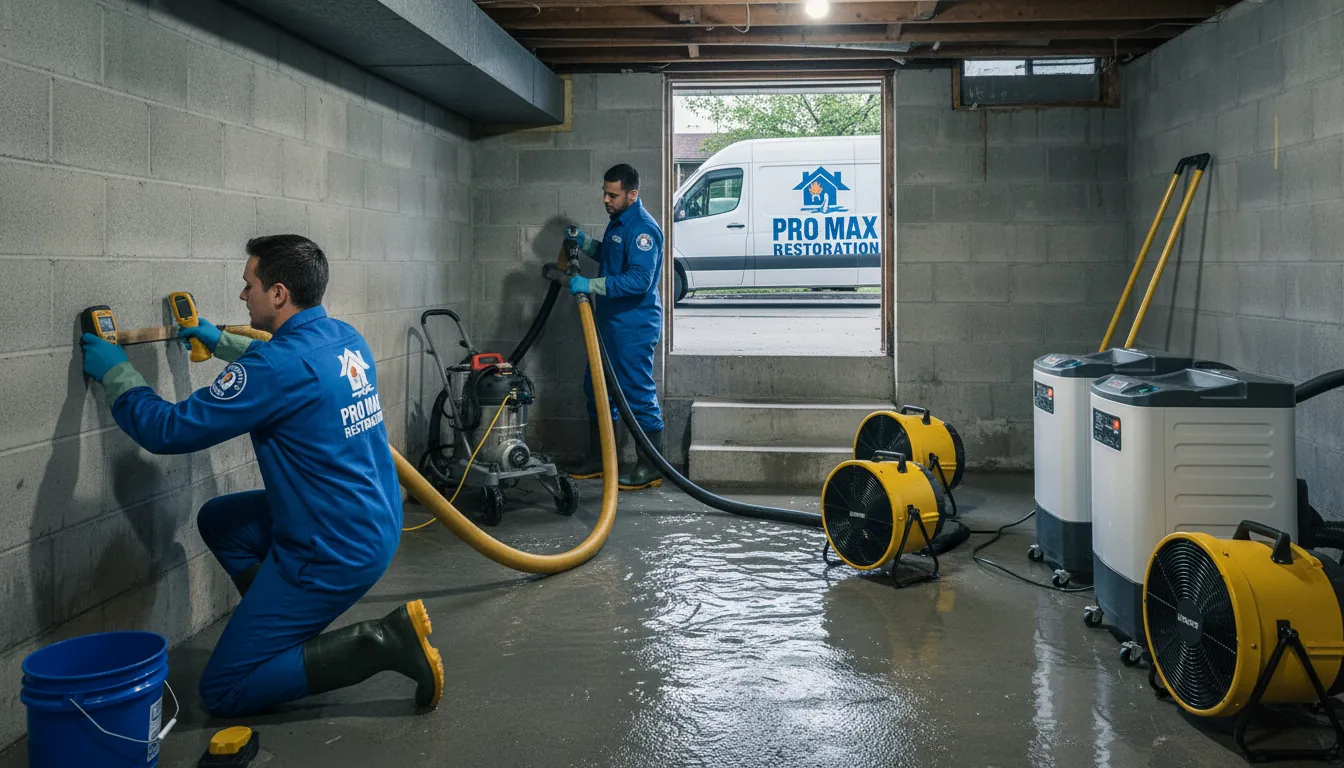
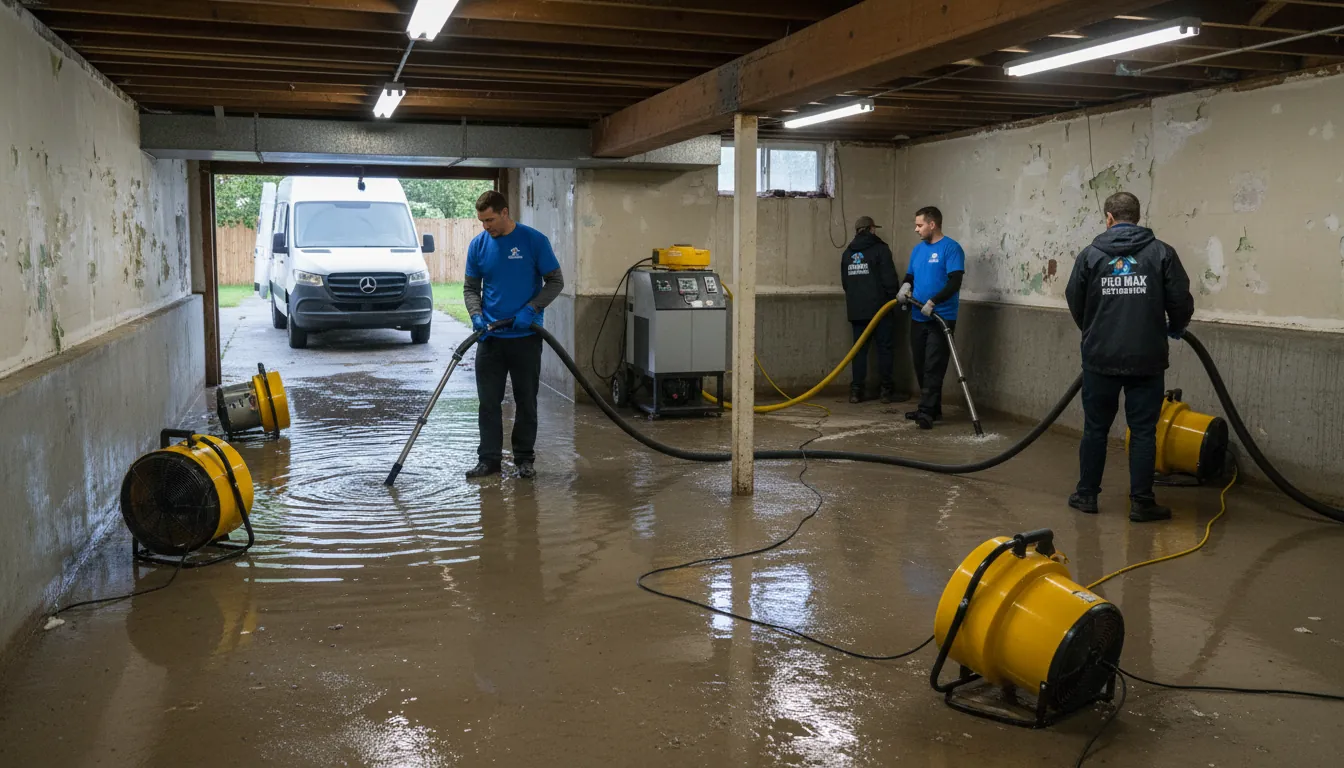
Extraction is the highest-value step on any job. Truck-mounted extractors, powered by the vehicle, deliver strong, steady suction and are ideal for houses and low-rise buildings where hoses can reach the affected rooms. In condos and upper floors of towers, hose length and building rules make portable electric extractors the practical choice. Carpet can be extracted in place with weighted or specialty wands that squeeze water out of the cushion, and water trapped under vinyl or laminate usually requires lifting the flooring. Thorough extraction can cut drying time by days, because every litre removed as liquid is a litre the dehumidifiers never have to handle.
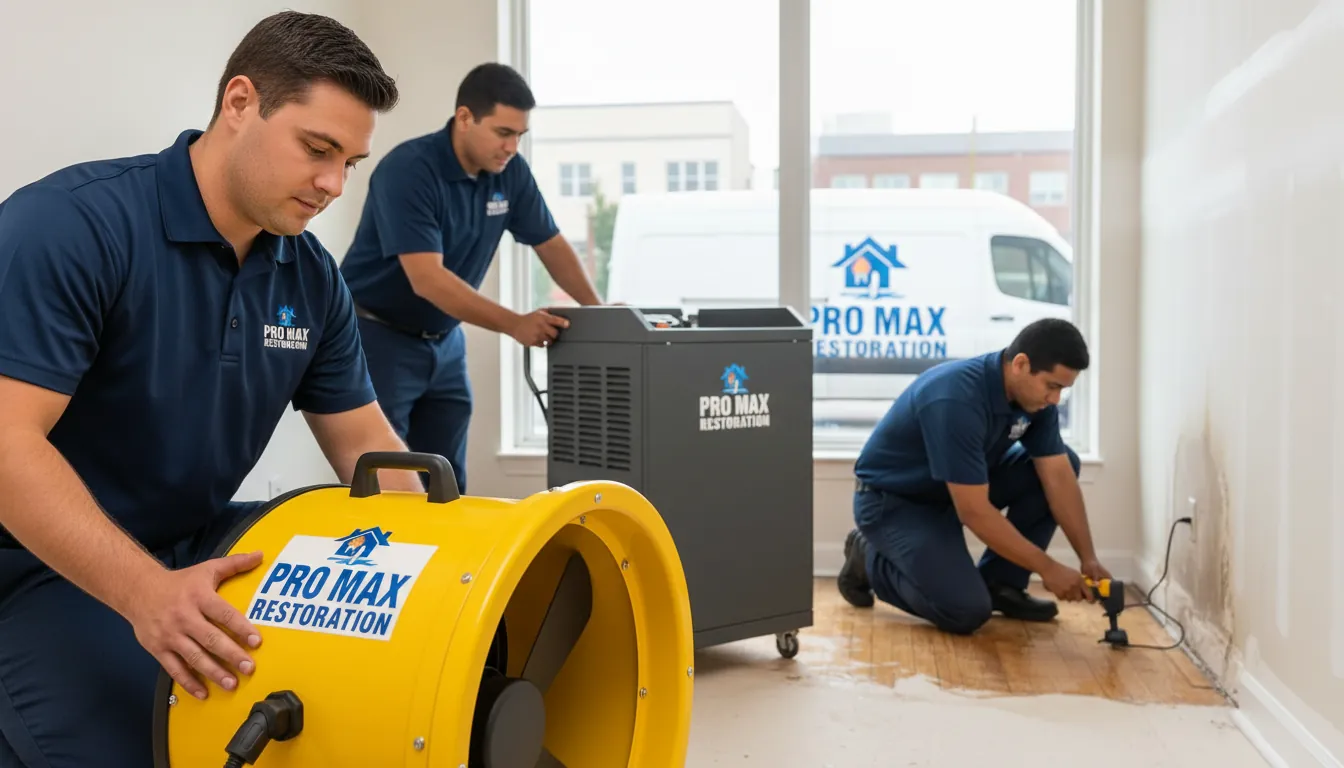
Drying itself is controlled evaporation. Air movers push a high-velocity layer of air across wet surfaces, typically angled along the base of walls and over floors, to speed evaporation. That moisture then has to leave the air, which is the job of the dehumidifiers. LGR units are efficient at normal room temperatures and can pull humidity down to levels older refrigerant units could not. Desiccant units keep working in cold conditions and produce very dry air, which makes them valuable in winter basements, garages and dense materials. We track temperature, relative humidity and grains of moisture per pound of air inside and outside the drying zone to confirm the equipment is removing moisture, not just moving it around.
The most expensive mistake in water damage is assuming that dry to the touch means dry. Drywall can feel dry on the surface while the paper facing on the back and the bottom plate behind it remain wet, and hardwood can look flat while the subfloor underneath is still saturated. Mold can begin growing on wet materials within about 24 to 48 hours, so leftover moisture inside a wall is how many mold problems start weeks later. We mark reading points on the first visit, record moisture content daily against a dry standard from unaffected materials, and use thermal imaging to find areas that are drying slowly. Equipment comes out when the numbers say it is done, and the full log goes to you and your adjuster.
Drying Hardwood, Subfloors, Wall Cavities and Concrete
Hardwood is the material homeowners most want to save and the one that most rewards careful drying. Wood absorbs water and swells, so boards cup when the underside is wetter than the top. Drying too aggressively from above can crack the boards, while drying too slowly invites mold underneath. Panel or mat systems placed over the floor pull air through the seams and draw moisture out from below, paired with dehumidification that brings the whole room down evenly. It typically takes longer than drywall, and sanding or refinishing waits until the wood has stabilized.
Wall cavities and subfloors dry faster when air can reach them. Rather than removing whole walls, we may take off baseboards and drill small holes near the bottom of the drywall to let dry air in, or inject air directly into the cavity. Insulation that is saturated, especially with contaminated water, is usually removed because it holds water and dries poorly. Subfloors under tile or vinyl may need part of the floor covering lifted so they can release moisture.
Concrete slabs are slow. A basement slab can take on a great deal of water and give it back gradually over weeks, and many flooring manufacturers set strict moisture limits before new floors can be installed, often checked using in-slab relative humidity testing. We dry slabs with high airflow and low humidity, and we tell you honestly when a slab needs more time before finishing, because installing new flooring over damp concrete is a common cause of repeat failures.
Typical Drying Timelines and Costs in Toronto
For most clean-water losses caught early, active drying takes about three to five days after extraction. Basement floods with finished walls and carpet commonly fall in that range as well. Class 4 materials, such as hardwood, plaster and concrete, extend drying, sometimes to one to two weeks or more, and contaminated water adds cleaning and removal time before drying starts. Reconstruction begins only after drying is verified.
On cost, our published Toronto guide puts restoration drying at roughly $3 to $8 per square foot, with a typical residential water damage job falling between about $1,500 and $6,000, and a flooded basement with clean or grey water between about $2,000 and $5,500. Sewage backups and multi-level losses run higher. Reconstruction, if needed, is often priced around $15 to $30 or more per square foot. These are planning estimates, not quotes.
The biggest factor you control is time. Calling for extraction within the first few hours limits how far water wicks into walls and under flooring, keeps Category 1 water from degrading and makes it more likely that drywall, cabinets and hardwood can be dried rather than replaced. Call 416-988-3539 as soon as you find water, and we will be on site in about 45 minutes.
Signs You Need Water Extraction & Structural Drying in Toronto
Water damage is rarely limited to what you can see. If any of these warning signs appear in your Toronto property, call 416-988-3539 right away, because the first 24 to 48 hours decide whether materials can be dried and saved.
- Standing water, damp carpet or a musty smell in the basement
- Water stains, bubbling paint or sagging drywall on ceilings and walls
- Warped, cupping or lifting hardwood, laminate or vinyl flooring
- A sudden unexplained spike in your water bill
- Peeling baseboards, efflorescence or white chalky residue on foundation walls
- Visible mold spotting, or worsening allergy and asthma symptoms indoors
Emergency Water Extraction Help in Toronto
Our IICRC-certified crews are on call 24 hours a day, 365 days a year and reach Toronto in about 45 minutes with the equipment to stop the damage immediately.
Our Water Extraction & Structural Drying Process in Toronto
Every Toronto water damage project follows the same proven, IICRC S-500 process, from the first emergency call through to the final rebuild.
Emergency Call & 45-Minute Dispatch
Call us any hour and our emergency coordinator gathers the critical details, the water source, the affected rooms and any safety concerns, then dispatches the nearest crew to Toronto. We talk you through shutting off the water and power while the team is on the road.
Inspection & Moisture Mapping
Our IICRC-certified lead technician uses FLIR thermal-imaging cameras and calibrated moisture meters to map every wet surface in your Toronto property, including hidden moisture inside wall cavities and under subfloors that a visual inspection always misses.
Emergency Water Extraction
Truck-mounted and portable extractors remove standing water fast, up to 25 gallons per minute. We set containment to stop the water spreading into dry areas of the home and protect furniture, flooring and contents while extraction is underway.
Structural Drying & Dehumidification
We position commercial air movers and LGR dehumidifiers to create targeted airflow, then monitor moisture readings daily and adjust the equipment until every material reaches the IICRC S-500 dry standard. Most Toronto homes dry in three to five days.
Cleaning, Sanitizing & Mold Prevention
Antimicrobial treatments stop bacteria and prevent mold taking hold in the wall cavities. HEPA air scrubbers clear airborne particles and hydroxyl generators neutralize odours at the molecular level rather than masking them with fragrance.
Full Restoration & Insurance Handoff
Our in-house construction team rebuilds everything that was removed, from drywall and paint to hardwood and cabinetry, returning your Toronto property to pre-loss condition. We submit the full photo and moisture documentation and bill your insurer directly.
Why Toronto Property Owners Choose Pro Max for Water Extraction & Structural Drying
15+ years, 600+ restored GTA properties and a perfect 5-star Google rating, backed by the certifications and insurance relationships that matter when it is your home on the line.
IICRC-Certified Technicians
Every Toronto job is led by technicians certified to the IICRC S-500 water damage and S-520 mold remediation standards, the benchmarks Canadian insurers recognise and expect.
45-Minute Emergency Response
We answer the phone 24 hours a day, 365 days a year and reach Toronto properties in about 45 minutes, because the first 24 to 48 hours decide whether materials are dried and saved or demolished and replaced.
Direct Insurance Billing
We document every loss with photographs and moisture readings and bill Intact, Aviva, Desjardins, TD Insurance, Wawanesa, Co-operators and all other major Canadian carriers directly, so covered work costs you nothing beyond your deductible.
One Company, Start to Finish
Emergency extraction, structural drying, mold prevention and the complete rebuild are all handled in-house. One company, one warranty and no coordinating three different contractors while your Toronto home sits damaged.
15+ Years and 600+ Properties
We have restored more than 600 properties across the Greater Toronto Area since 2009 and hold a perfect 5.0 Google rating, so you are trusting your Toronto home to a team that has genuinely seen it all.
Written Estimates, No Surprises
You receive a clear, itemised written estimate before work begins, and we review the scope directly with your adjuster so there are no disputed line items or unexpected costs at the end of the project.
Water Extraction & Structural Drying Service Areas Across Toronto
We provide fast, 24/7 water extraction & structural drying in every Toronto neighbourhood, including:
Recent Water Extraction & Structural Drying Projects in Toronto
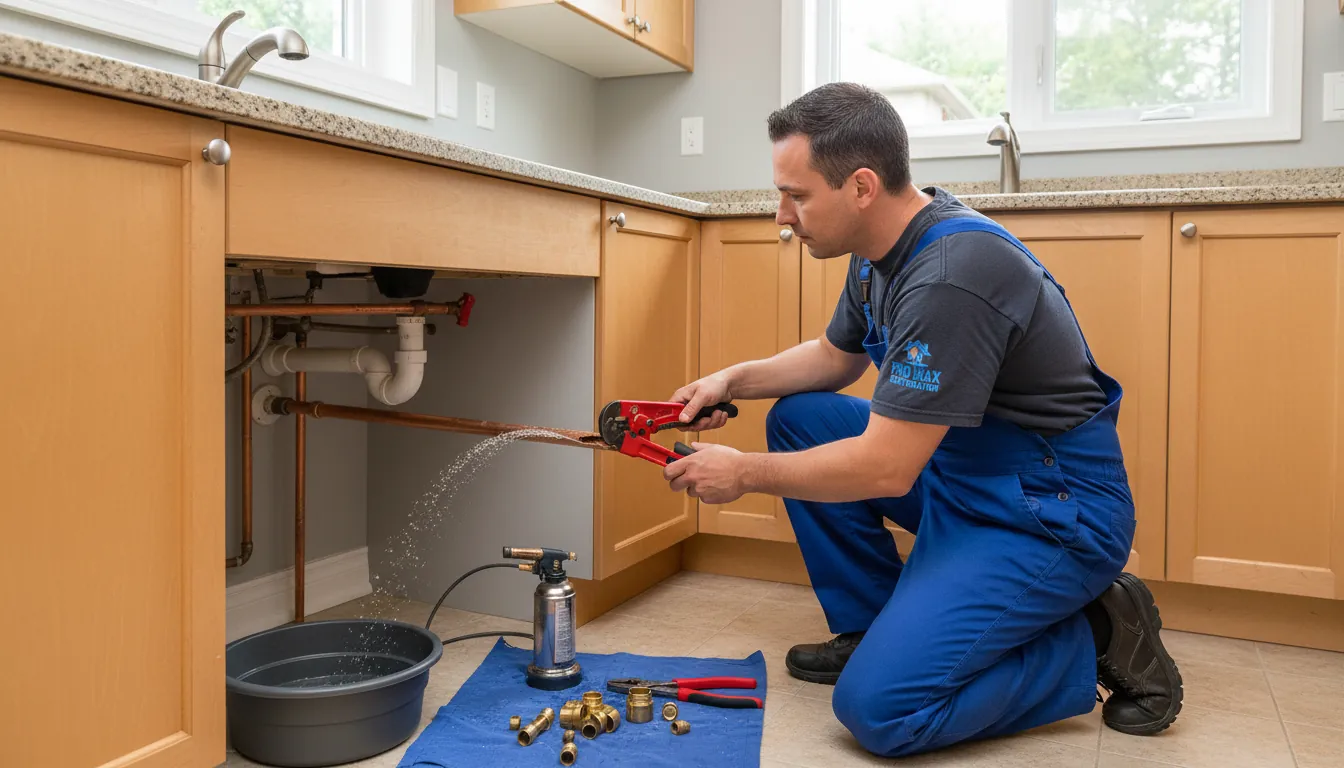
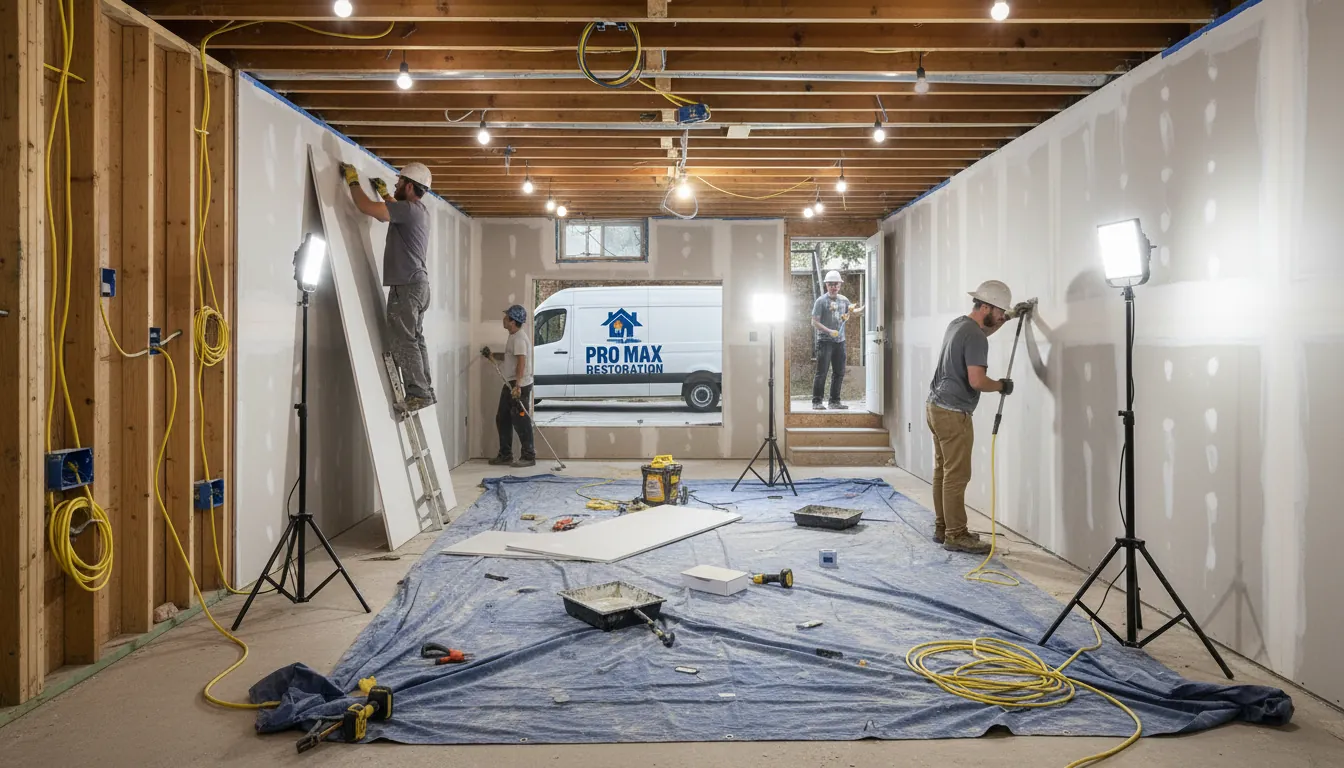
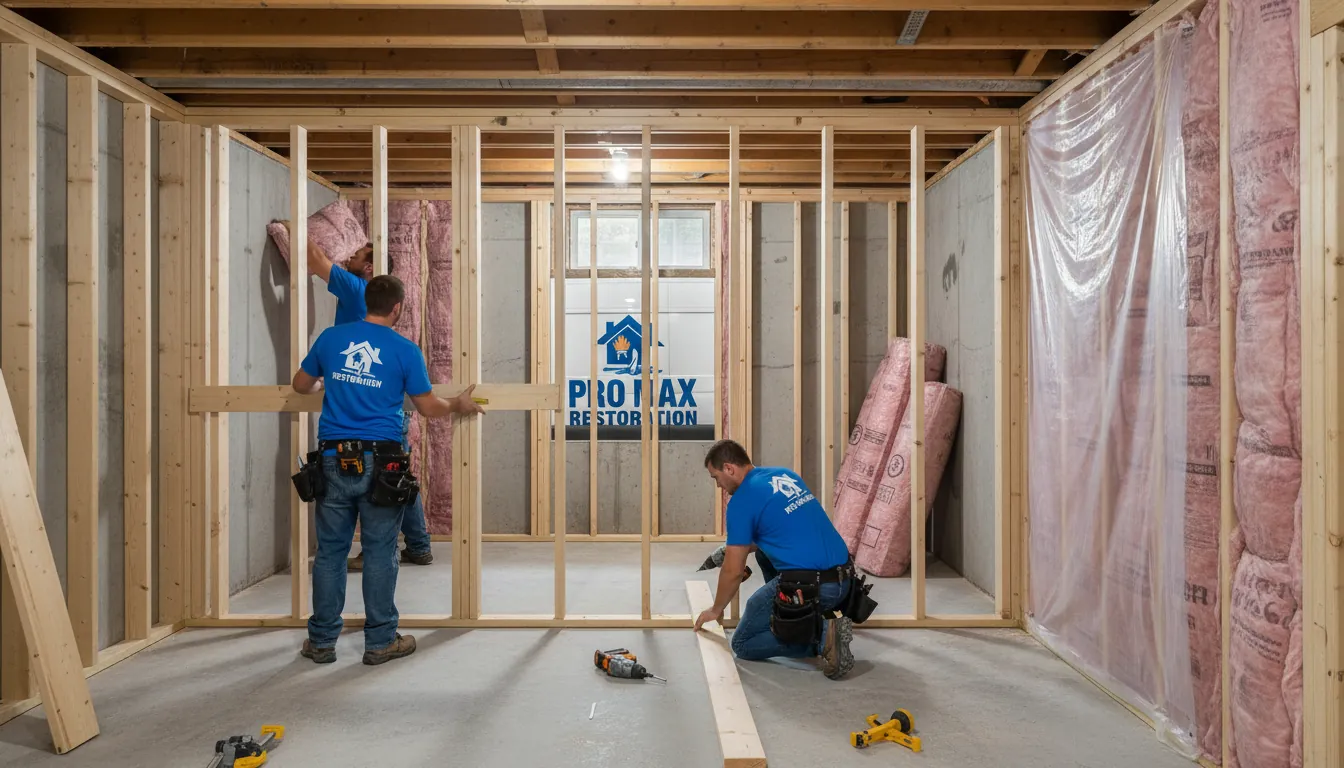
A look at real water extraction & structural drying work completed by our IICRC-certified crews for homeowners in Toronto and across the Greater Toronto Area.
Complete Restoration Services in Toronto
One company for every emergency — from the first 45-minute response through complete rebuild.
When Toronto Properties Are Most at Risk
Water damage in the Greater Toronto Area is seasonal, and knowing which risk belongs to which month is the cheapest prevention there is. Here is the pattern we see across Torontoyear after year.
Winter
December – MarchFrozen and burst pipes
When temperatures fall below about -20C, water inside uninsulated supply lines freezes and expands, generating pressure that splits copper and PEX. Pipes in exterior walls, unheated garages and crawl spaces fail first, and the leak often runs for hours before anyone notices. This is our single busiest emergency window across Toronto.
Spring
March – MaySnowmelt and saturated ground
Rapid thaw combined with spring rain saturates the ground while it is still partly frozen, so water has nowhere to go but against foundations. Sump pumps run continuously, weeping tile that is cracked or clogged backs up, and any foundation crack in a Toronto home shows itself now.
Summer
June – SeptemberStorm surcharge and sewer backup
Short, intense thunderstorms overwhelm storm and combined sewers faster than they can drain. This is when sewer backups and overland flooding happen, and it is the season when a missing backwater valve costs Toronto homeowners the most.
Autumn
October – NovemberBlocked drainage and appliance failure
Leaves block eavestroughs, downspouts and window wells, sending roof water straight down the foundation. It is also when hot water tanks nearing the end of a 10 to 12 year life tend to let go, and when outdoor hose bibs left connected cause the first freeze-up.
The Standards We Work To
Our content is written and reviewed by the Pro Max Restoration technical team, the same IICRC-certified technicians who carry out water damage restoration, mold remediation and fire damage recovery across Toronto and the GTA every day. Guidance on this site reflects the IICRC S-500 and S-520 standards and what we see on real GTA properties, not generic advice.
IICRC S-500 Certified
The ANSI-approved Standard for Professional Water Damage Restoration. It governs how water losses are categorised, how structures are dried and how "dry" is verified with moisture readings rather than guesswork.
IICRC S-520 Certified
The ANSI-approved Standard for Professional Mold Remediation. It governs containment, negative air pressure, HEPA filtration, safe removal of affected materials and post-remediation verification.
Ontario O. Reg. 278/05 Compliant
Asbestos abatement is carried out to Ontario Ministry of Labour regulation O. Reg. 278/05, covering Type 1, 2 and 3 operations, air monitoring and disposal at licensed facilities.
Licensed & Fully Insured
We are a licensed and insured Ontario restoration contractor, and we carry the coverage required to work in occupied homes, condominiums and commercial properties.
Direct Insurance Billing
We bill Intact, Aviva, Desjardins, TD Insurance, Wawanesa, Co-operators and other major Canadian carriers directly, and we document every loss to the standard adjusters expect.
Calibrated Measurement, Not Guesswork
Every job uses FLIR thermal imaging and calibrated moisture meters, with daily readings logged until materials reach the IICRC dry standard. You receive that documentation.
How this guidance is written, measured and corrected: our editorial standards.
Water Extraction & Structural Drying in Toronto — Your Questions Answered
How long does it take to dry out a house after water damage?
Can I dry water damage myself with fans?
What is the difference between water extraction and structural drying?
What is the difference between LGR and desiccant dehumidifiers?
How do you know when materials are actually dry?
Can wet hardwood floors be saved?
How much does water extraction and drying cost in Toronto?
Need Water Extraction & Structural Drying in Toronto?
Call 416-988-3539 — IICRC-certified crews serving Toronto 24/7.