
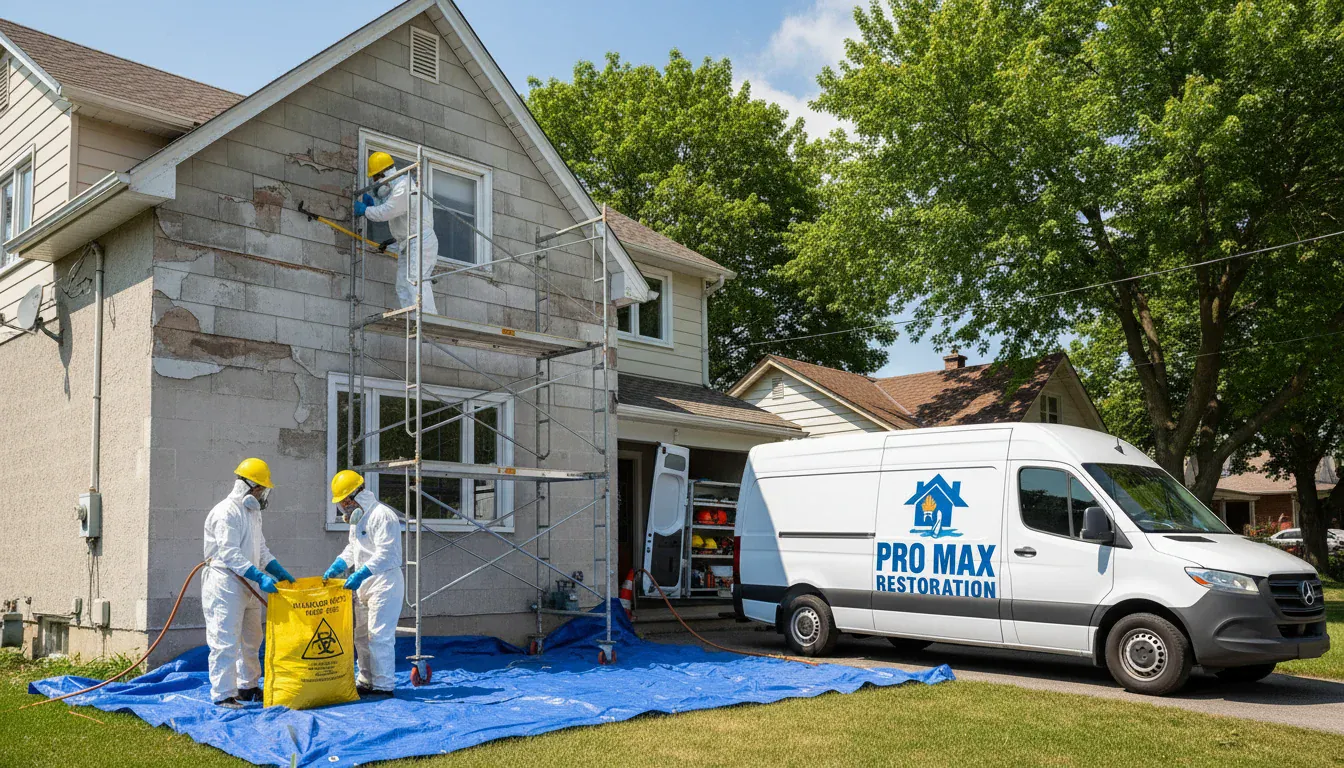
Demolition Services in Toronto & GTA
Safe, efficient demolition across the GTA — from selective interior strip-outs to full structural demolition with proper hazmat handling and debris disposal.
Last updated:
Years Experience
Projects Completed
Minute Response
Google Rating
What Our Demolition Services Service Includes
Every demolition services project is unique — here's the full scope of what we handle for Toronto and GTA properties.
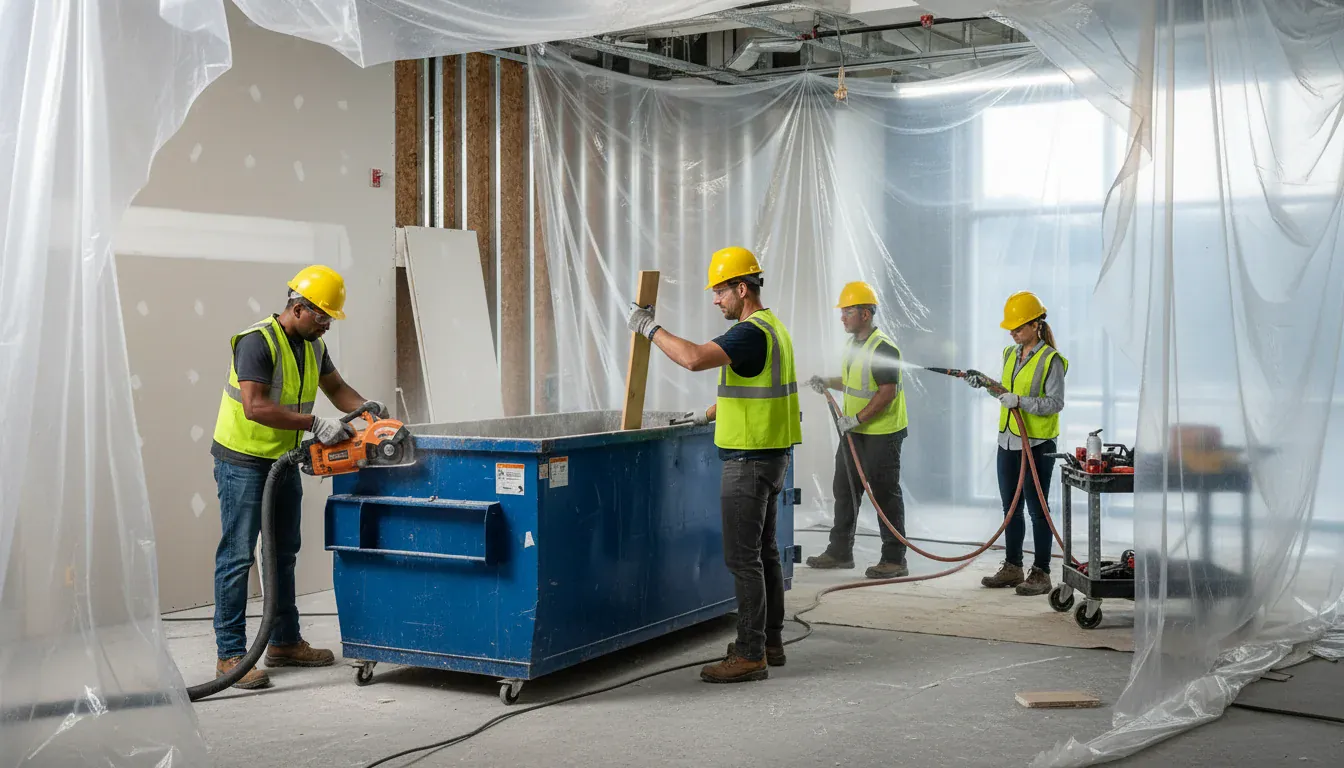
Demolition Services in Action
See our certified team delivering professional demolition services services across Toronto and the GTA.
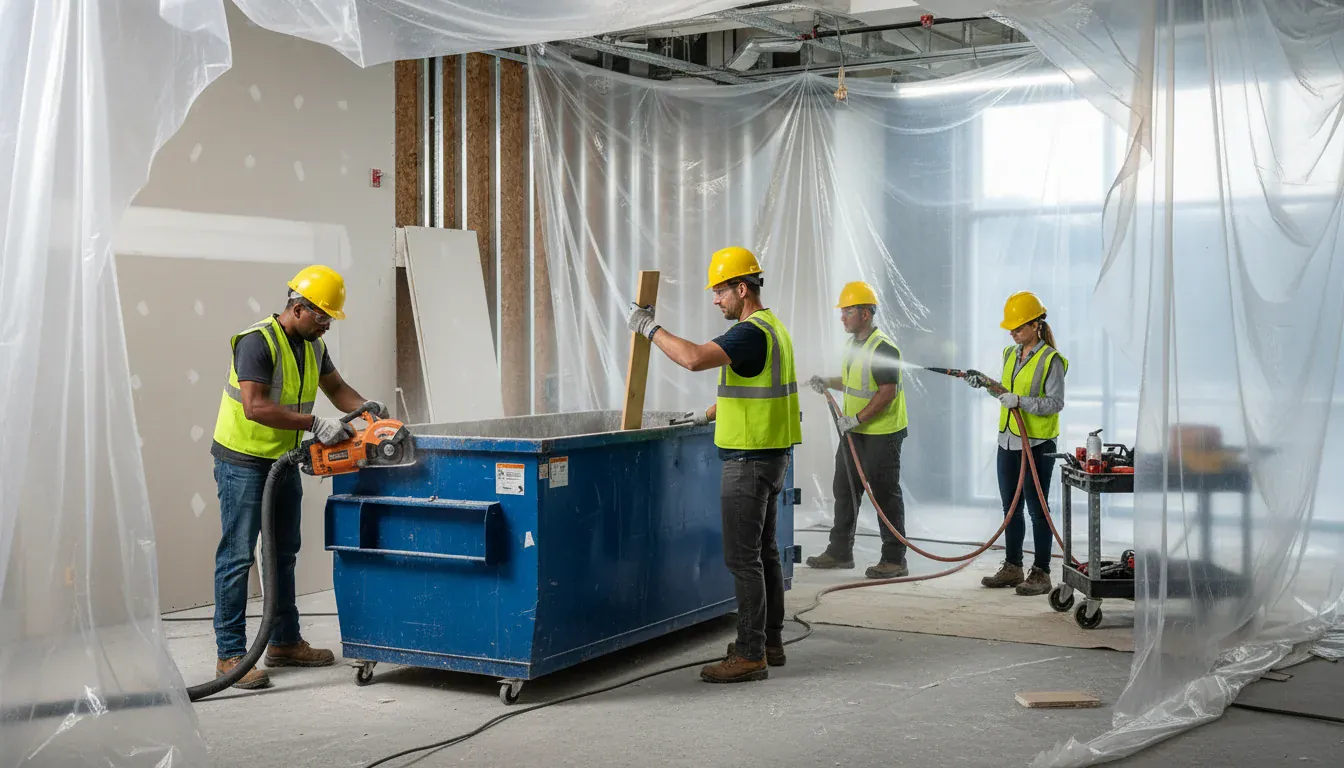
Our Demolition Services Process
Step-by-step breakdown of how our team handles demolition services from initial call to final walkthrough.
Site Assessment
Our project manager inspects the site, reviews structural plans, identifies load-bearing elements, checks for hazardous materials (asbestos, lead paint, mold), and develops a safe demolition plan.
Permits & Planning
We obtain all required demolition permits from the City of Toronto, coordinate utility disconnections, and establish safety protocols including dust containment, noise mitigation, and waste management.
Hazardous Material Removal
If asbestos, lead paint, or mold is present, our certified abatement crew removes these materials first following all Ontario regulations before general demolition begins.
Controlled Demolition
Our experienced crew executes the demolition plan with precision — protecting structural integrity, adjacent spaces, and existing systems (plumbing, electrical, HVAC) that are being retained.
Debris Removal & Cleanup
All demolition debris is sorted for recycling where possible and hauled to licensed disposal facilities. The site is swept, vacuumed, and left clean and ready for the next phase of your project.
Handoff & Documentation
We provide as-built documentation showing exposed conditions, flag any structural concerns discovered during demolition, and coordinate handoff to your renovation contractor or our own renovation team.
Demolition Services Questions & Answers
Common questions Toronto homeowners ask about our demolition services services.
Q. What types of demolition do you handle?
We specialise in interior strip-outs, selective structural demolition, kitchen and bathroom tear-outs, concrete and masonry removal, and renovation preparation for homes and commercial spaces across the GTA.
Q. Do you handle permits and disposal?
Yes. We coordinate required demolition permits, arrange engineering assessments where structural elements are involved, and handle all debris hauling and disposal so the site is left clean and ready for the next phase.
Q. What if there is asbestos or lead behind the walls?
Older buildings often hide hazardous materials. Because we're also a licensed asbestos abatement firm, we can test, safely remove and dispose of asbestos and lead-painted materials before demolition proceeds — no need to hire a separate contractor. Call 416-988-3539.
Q. How much does interior demolition cost?
Costs vary with square footage, the materials being removed, disposal volume and site access. A single-room strip-out is far less than a full-floor gut. We provide a written, itemised estimate after assessing the space.
Q. Is your demolition work insured?
Yes. We are fully licensed and insured, follow Ontario health-and-safety requirements, and protect adjacent areas with dust containment so the rest of your property stays clean during the work.
Q. How long does a typical interior demolition project take?
A typical interior demolition project, such as gutting a kitchen or basement, takes one to three days for an average GTA home, while larger whole floor or commercial demolitions take longer. Timing depends on square footage, whether hazardous materials need testing first, and how much debris there is to remove.
Q. How do you protect the rest of my home during a partial demolition?
We protect the rest of your home during a partial demolition with plastic containment barriers, floor and stair coverings, and negative air machines to control dust from spreading into occupied rooms. Work zones are sealed off before any tear out begins, and debris is bagged or bin loaded directly rather than carried loose through the rest of the house.
Q. Do I need to be present while demolition work is happening?
You do not need to be present for the entire demolition, but we ask that you or a representative be available at the start to confirm the scope and at key milestones if unexpected conditions come up. Otherwise our crews can complete the tear out and debris removal on a scheduled day without you needing to be on site.
Q. Do you provide demolition services throughout the GTA, not just Toronto?
Yes, Pro Max Restoration provides demolition services throughout the entire GTA, not just Toronto, from our North York head office. This covers interior strip outs, structural demolition tied to restoration projects, and full rebuild coordination in one place. Call 416-988-3539 to confirm scheduling for your specific city or municipality.
Q. Is there a minimum job size for demolition services?
There is a practical minimum for standalone demolition jobs, since dispatch, containment, and disposal setup have a base cost regardless of size, but small tear outs are often bundled into a larger restoration or rebuild project at no separate minimum. We can confirm pricing for your specific job, whether it is a single room or a full property.
Q. Do I need a permit for interior demolition in Toronto?
Often yes. Removing or altering load-bearing walls, changing structural elements, or work that affects plumbing, electrical or HVAC systems generally requires a building permit from the City of Toronto, while purely cosmetic removal of finishes frequently does not. Requirements vary by municipality across the GTA and by the nature of the work. We assess what your project requires and handle the permit process as part of the scope.
Q. What is the difference between demolition and selective demolition?
Full demolition removes an entire structure or an entire interior down to the shell. Selective demolition, sometimes called strip-out or soft demolition, removes specific elements while protecting everything that stays, which is what most renovations and restoration projects actually require. Selective work is slower per square foot but protects existing finishes, systems and structure, and is almost always the right approach inside an occupied or partially occupied building.
Q. How do you control dust during interior demolition?
Through containment and filtration rather than cleanup afterwards. We seal the work area with polyethylene barriers and zipper doors, place negative air machines with HEPA filtration so air flows into the contained space rather than out of it, protect floors and fixed elements along the route, and clean progressively rather than only at the end. This is the same containment methodology used for mold and asbestos work.
Q. How is demolition waste sorted and recycled?
Materials are separated on site where practical, with clean wood, metals, concrete, brick and drywall diverted to recycling facilities and the remainder going to landfill. Metals in particular have real recovery value that offsets disposal cost. Anything identified as hazardous, including asbestos-containing material and lead-painted components, is segregated, packaged and disposed of separately under the applicable Ontario regulations with documentation retained.
Q. Can demolition be done while the building stays occupied?
Frequently yes, with proper containment and scheduling. We isolate the work area with sealed barriers and negative air pressure, maintain protected access routes for occupants, and coordinate noisy operations around agreed hours, which matters particularly in condominiums and commercial tenancies. Whether it is advisable depends on the scope and on building systems, and we will say so plainly if temporary relocation would be the safer approach.
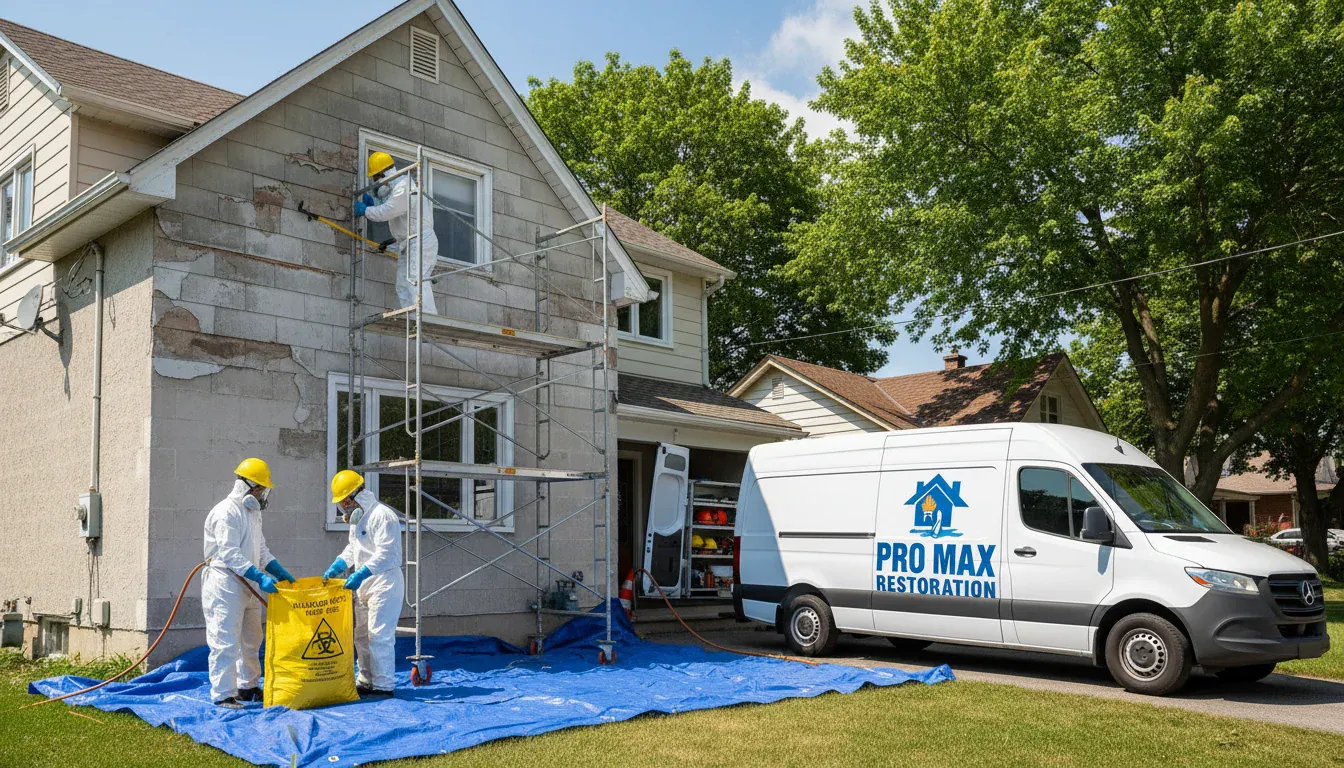
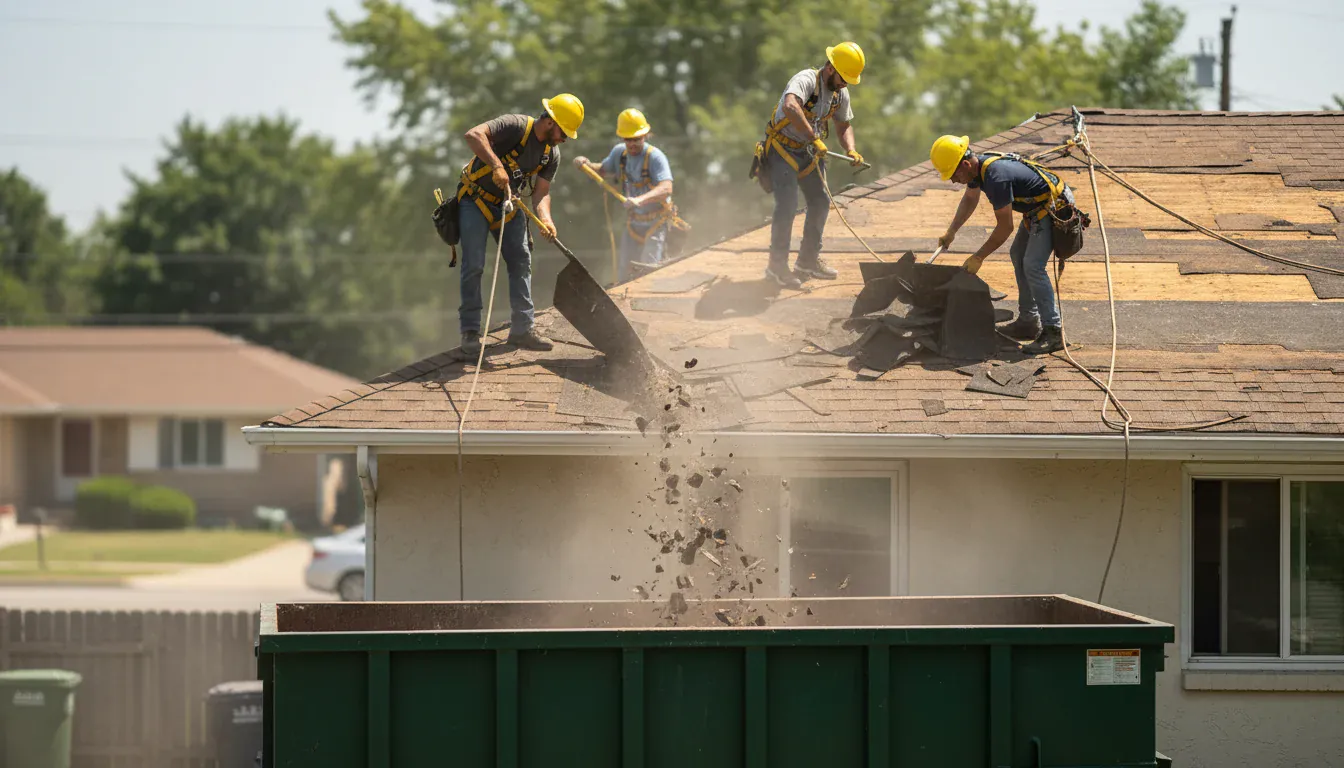
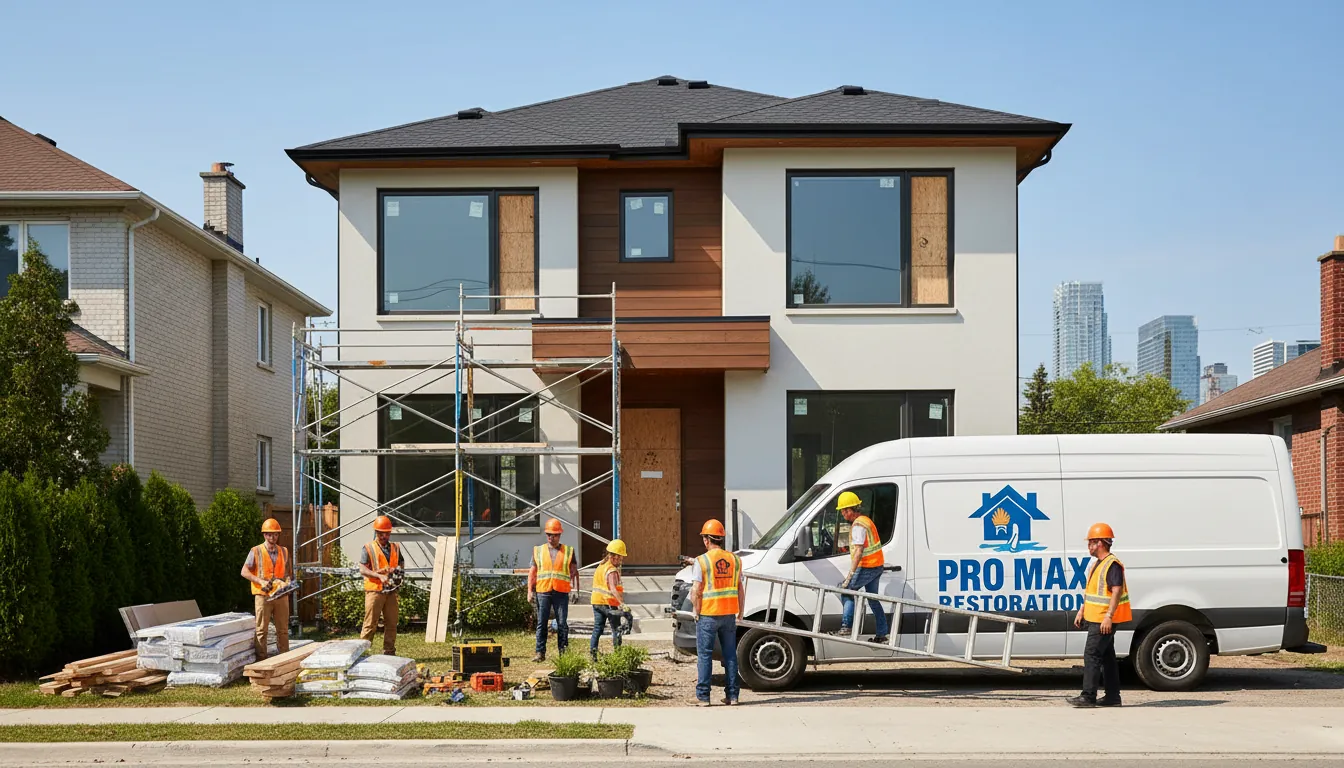
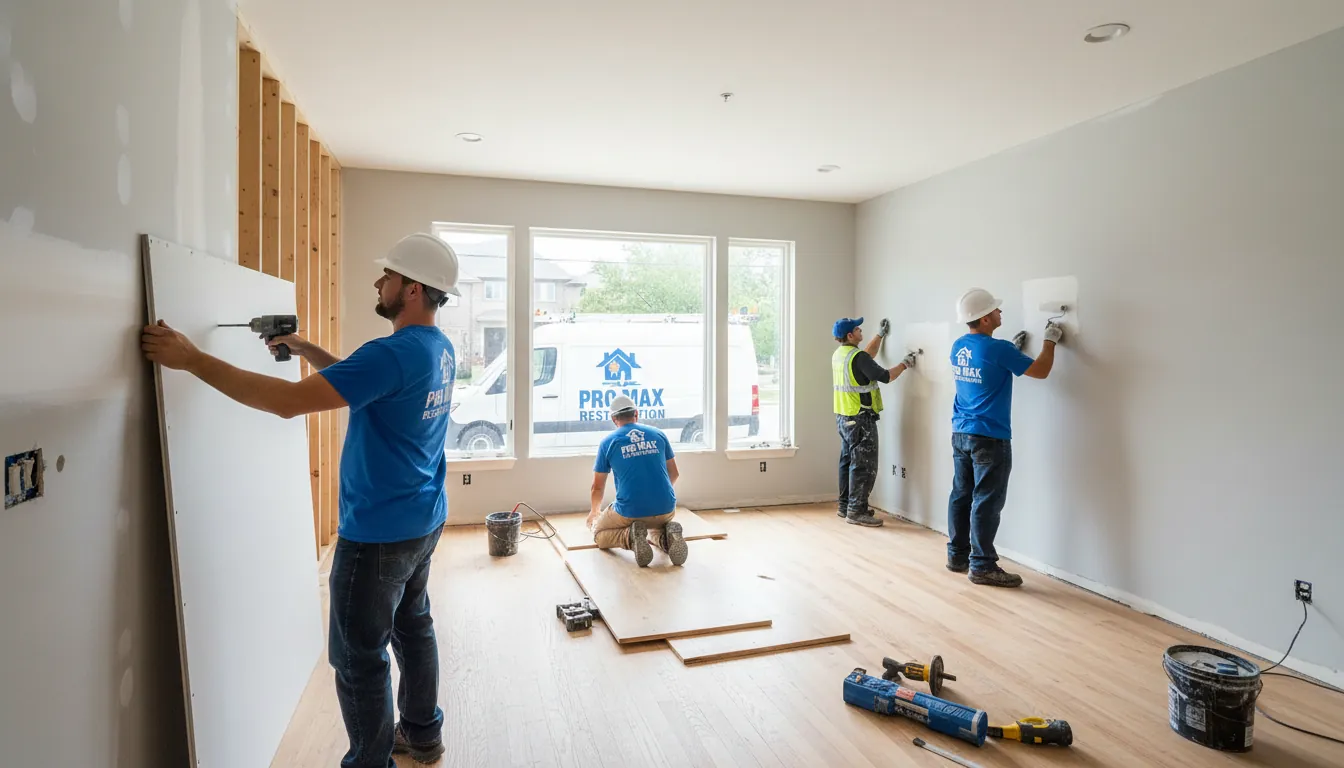
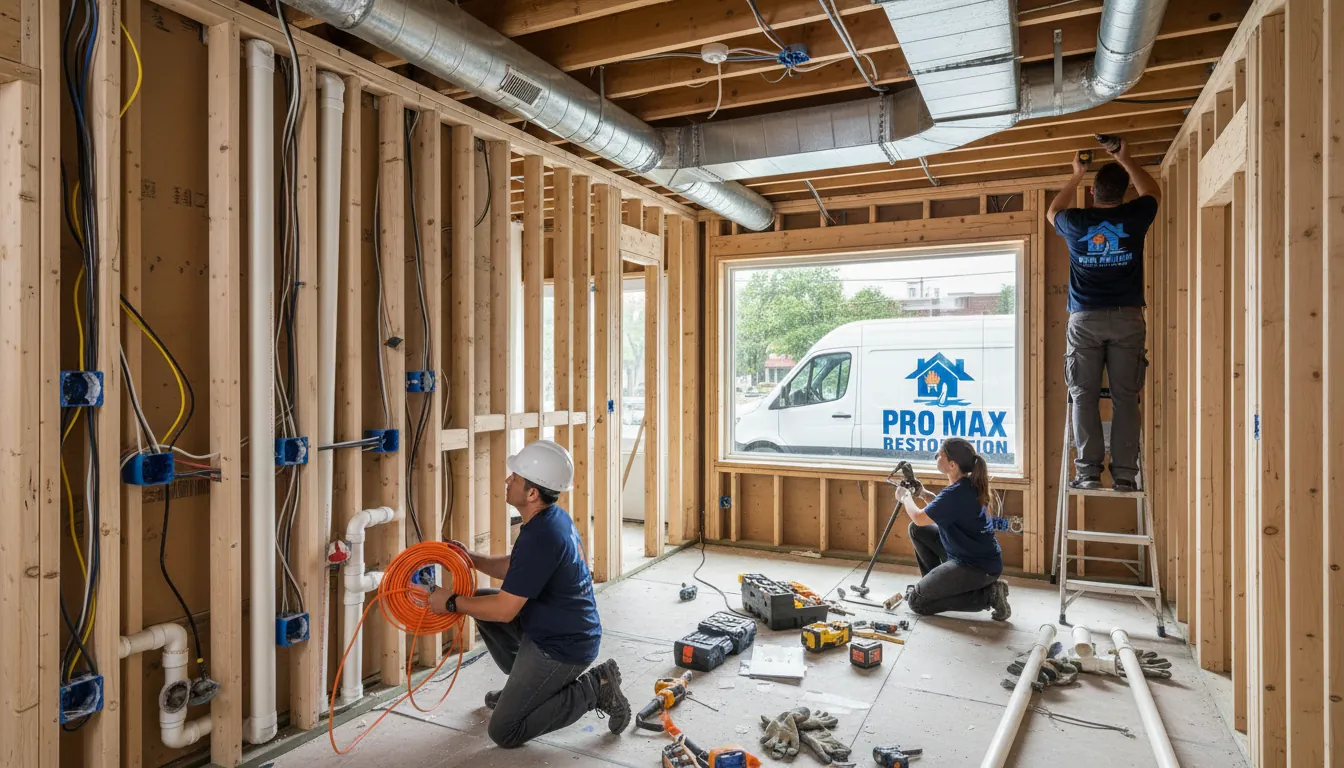
Recent Demolition Services Projects Across Toronto & the GTA
A look at real demolition services work completed by our IICRC-certified crews across Toronto and the Greater Toronto Area.
The Standards We Work To
Our content is written and reviewed by the Pro Max Restoration technical team, the same IICRC-certified technicians who carry out water damage restoration, mold remediation and fire damage recovery across Toronto and the GTA every day. Guidance on this site reflects the IICRC S-500 and S-520 standards and what we see on real GTA properties, not generic advice.
IICRC S-500 Certified
The ANSI-approved Standard for Professional Water Damage Restoration. It governs how water losses are categorised, how structures are dried and how "dry" is verified with moisture readings rather than guesswork.
IICRC S-520 Certified
The ANSI-approved Standard for Professional Mold Remediation. It governs containment, negative air pressure, HEPA filtration, safe removal of affected materials and post-remediation verification.
Ontario O. Reg. 278/05 Compliant
Asbestos abatement is carried out to Ontario Ministry of Labour regulation O. Reg. 278/05, covering Type 1, 2 and 3 operations, air monitoring and disposal at licensed facilities.
Licensed & Fully Insured
We are a licensed and insured Ontario restoration contractor, and we carry the coverage required to work in occupied homes, condominiums and commercial properties.
Direct Insurance Billing
We bill Intact, Aviva, Desjardins, TD Insurance, Wawanesa, Co-operators and other major Canadian carriers directly, and we document every loss to the standard adjusters expect.
Calibrated Measurement, Not Guesswork
Every job uses FLIR thermal imaging and calibrated moisture meters, with daily readings logged until materials reach the IICRC dry standard. You receive that documentation.
How this guidance is written, measured and corrected: our editorial standards.
Restoration Services Across the GTA
We respond to emergencies in 45 minutes across the Greater Toronto Area. Explore our dedicated city pages or request a free quote.
Need Professional Demolition? Get a Free Estimate
Our certified technicians arrive on-site within 45 minutes. Don't wait—call now for immediate assistance.