
Sewage Backup in Your Basement: What to Do Right Now
Written & reviewed by the Pro Max Restoration Technical Team
IICRC-Certified Restoration Technicians
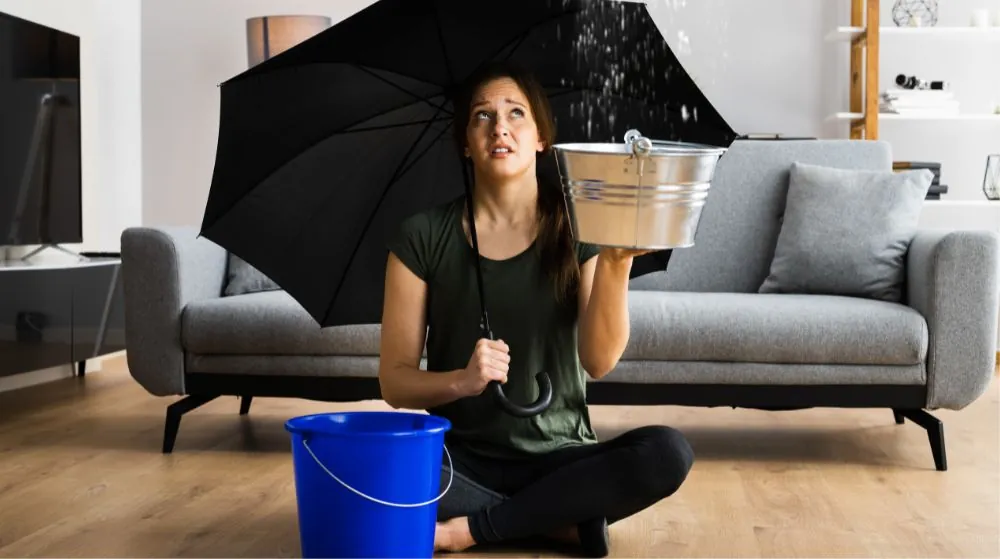
A sewage backup is a Category 3 biohazard, not a mop-and-bucket job. Here's what to do in the first ten minutes, why it happens so often in the GTA, and how professional decontamination and drying gets your basement safe again.
A sewage backup in your basement is not a job for a mop and a wet/dry vac. It's a biohazard event, and every minute you spend deciding what to do is another minute that contaminated water is soaking into your drywall, flooring, and belongings. Here is exactly what to do right now, and why calling a certified restoration crew immediately matters more than almost any other home emergency.
Why Sewage Backup Is Different From a Regular Flood
Not all water damage is equal. The IICRC — the industry body that sets restoration standards — classifies contaminated water as Category 3, also known as "black water." This is the same classification given to floodwater and toilet backflow that has come into contact with sewage. Category 3 water can carry E. coli, salmonella, hepatitis A, parasites, and a range of other pathogens, along with chemical contaminants from cleaning products and industrial runoff that entered the sewer system upstream.
That distinction matters because it changes everything about how the cleanup has to happen. Anything porous that black water touches — carpet, drywall, insulation, upholstery, some subfloor materials — is generally considered contaminated beyond disinfection and needs to be removed, not just cleaned. Standing in it, touching it, or even breathing air near it without protection puts your health at real risk.
What to Do in the First 10 Minutes
- Keep everyone away, especially kids and pets. No one should walk through the water or touch surfaces it has contacted.
- Shut off electricity to the affected area at the breaker — never while standing in or near water.
- Stop using water in the house. Don't flush toilets, run sinks, showers, or laundry, since this can add to the backup or push more sewage in.
- Do not attempt to clean it up yourself. Household cleaners and towels don't neutralize Category 3 contamination, and you risk exposure with no protective equipment.
- Ventilate only if it's safe to do so from outside the contaminated area, to reduce odour buildup.
- Photograph the damage from the doorway for your insurance file, without entering the affected space.
- Call a licensed restoration company immediately. The longer contaminated water sits, the further it spreads and the more it costs to remediate.
If you're already dealing with standing water beyond sewage — a sump pump failure or storm surge, for instance — our flooded basement team follows the same urgency, and our dedicated sewer backup restoration service is built specifically around Category 3 protocols.
Why Sewage Backups Happen So Often in the GTA
Toronto homeowners deal with this more than most Canadians realize, and it usually isn't bad luck. Large sections of the old city still run on combined sewer systems, where sanitary sewage and stormwater share the same pipe. During a heavy summer downpour, that pipe can hit capacity and surcharge — sending sewage backward through the lowest drains in your home, which is almost always the basement floor drain or a basement bathroom.
Aging clay lateral pipes are also vulnerable to tree root intrusion, which narrows the pipe over years until a normal flow suddenly can't get through. And a large share of older GTA homes were built before backwater valves were standard, meaning there's nothing stopping municipal sewage from flowing into the house once the main line backs up. We see this pattern repeat block by block in older neighbourhoods, including areas we've worked extensively like Scarborough, where mature tree cover and older infrastructure combine to raise the risk. We've written more on the root causes and fixes in how to prevent basement flooding in Toronto.
The Professional Sewage Cleanup Process
A proper Category 3 cleanup follows a strict sequence, and skipping steps is how homes end up with lingering odour, hidden contamination, or mould weeks later.
1. PPE and containment
Technicians suit up in respirators, gloves, and protective coveralls before entering, and seal off the affected area with poly containment barriers and negative air pressure to stop contaminated air and particles from spreading to the rest of the house.
2. Extraction
Standing sewage is pumped and extracted using truck-mounted or portable equipment rated for contaminated water, not standard shop vacuums.
3. Removal of porous materials
Carpet, carpet pad, baseboards, affected drywall, insulation, and other porous materials that absorbed black water are cut out and disposed of, since disinfecting them to a safe standard usually isn't possible.
4. Hospital-grade decontamination
Every remaining surface is cleaned and treated with EPA-registered antimicrobial and disinfectant products to eliminate bacteria, viruses, and pathogens left behind.
5. Structural drying
Industrial air movers and dehumidifiers dry the structure over several days, since any residual moisture behind walls or under flooring becomes a mould risk within 24 to 48 hours — a step closely tied to our mould removal work when drying is delayed.
6. Clearance
Moisture readings and a final visual inspection confirm the space is dry and safe before anything is rebuilt or reoccupied.
Preventing It From Happening Again
The single most effective fix is a backwater valve, which allows wastewater to flow out of your home but closes automatically to block sewage from flowing back in during a surcharge. Pairing it with a sump pump system handles groundwater and storm-driven flooding at the same time, covering both major causes of basement water damage.
The City of Toronto knows how common this problem is and offers financial help through its basement flooding protection subsidy program, which can cover up to $6,650 toward a backwater valve, sump pump, and related pipe work. It's worth applying for whether you've just been flooded or you're being proactive.
Does Insurance Cover Sewage Backup?
Often, but not automatically. Standard home insurance policies in Ontario typically exclude sewer and drain backup unless you've added a specific endorsement for it. Without that add-on, a sewage backup claim can be denied even though your policy covers other forms of water damage. The Insurance Bureau of Canada has a helpful overview of flood and water damage coverage worth reviewing with your broker. We've also broken down the distinction in more detail in does home insurance cover water damage in Ontario, and if you're unsure whether to file a claim at all, our guide to insurance claim vs. paying out of pocket walks through the trade-offs.
Whatever your coverage looks like, we bill insurers directly whenever possible so you're not fronting the cost of an emergency you didn't cause.
Sewage backups don't wait for business hours, and neither do we. Pro Max Restoration is IICRC S-500 and S-520 certified, available across Toronto and the GTA with roughly 45-minute emergency response, and we've handled this exact situation more than 600 times. Call 416-988-3539 now, or reach out through our contact page and we'll dispatch a crew immediately.
Frequently Asked Questions
Is a sewage backup in my basement actually dangerous, or just gross?
Can I just clean up sewage backup myself with bleach and towels?
Why does my Toronto basement keep backing up during heavy rain?
Will my home insurance pay for sewage backup cleanup?
How fast do I need to act after discovering a sewage backup?
Need Professional Restoration Help?
Our IICRC-certified team is available 24/7 for emergencies and free consultations.
Call 416-988-3539