
10 Essential Tips for Water Damage Restoration in Toronto Homes
Written & reviewed by the Pro Max Restoration Technical Team
IICRC-Certified Restoration Technicians
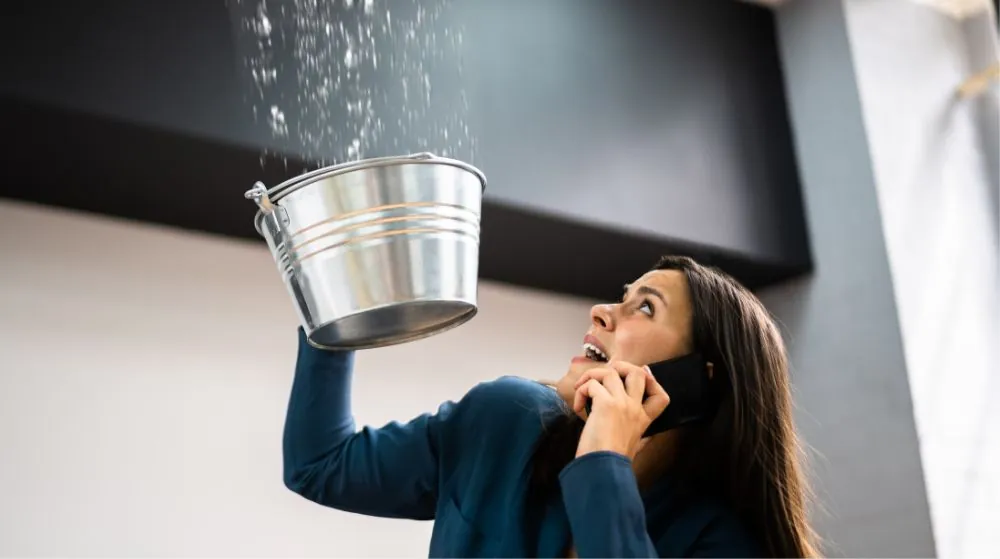
Discover actionable steps every Toronto homeowner should take when facing water damage—from immediate safety measures to long-term restoration strategies.
Most water damage in Toronto homes does not come from a dramatic flood. It comes from a supply line that gives way behind the washing machine, a pipe in an exterior wall that froze during a February cold snap, or a summer cloudburst that overwhelms the sewer on your street. What you do next, in the first hour, the first two days and the weeks of drying and rebuilding that follow, decides whether you end up with a manageable repair or a much larger bill and a mold problem months later. The ten tips below are based on how certified restorers approach a loss under the IICRC S-500 standard for professional water damage restoration, turned into decisions a homeowner can actually make.
Before You Start: Two Questions That Shape Everything
Restoration professionals classify every water loss by category (how contaminated the water is) and class (how much water has soaked into materials, which determines how hard the space is to dry). The IICRC S-500 standard defines three categories of water:
- Category 1 (clean water) from a sanitary source, such as a burst supply pipe or an overflowing sink with no contaminants.
- Category 2 (grey water) with significant contamination, such as washing machine or dishwasher discharge, or a toilet overflow containing urine but no feces.
- Category 3 (grossly contaminated water), including sewer backup, overland flood water and toilet overflow containing feces.
Category is not fixed. Clean water that sits in a warm basement for a day or two picks up contaminants from dust, building materials and flooring, and it can deteriorate to Category 2 or 3. That is one of the main reasons speed matters so much. Class, meanwhile, ranges from a small, mostly surface wetting (Class 1) to deeply saturated dense materials like hardwood, plaster and concrete (Class 4) that need specialty drying.
The 10 Tips
1. Find Your Main Water Shut-Off Valve Today
In most Toronto houses, the main shut-off sits in the basement on the wall facing the street, where the water service enters the home. It is often in a laundry room, under the stairs or behind an access panel in a finished basement. Older homes may have a gate valve with a round handle that seizes after years without use; newer ones usually have a quarter-turn ball valve. Find yours, clear anything blocking it, tag it, and make sure every adult in the house knows where it is. In a condo, ask management where the in-suite shut-offs are (often behind an access panel near the washer or the fan coil unit) and who to call after hours. Every minute spent searching during a leak is more water on the floor.
2. Make Safety the First Decision, Not the Second
Never walk into standing water that could be in contact with outlets, extension cords, a furnace or the electrical panel. If the panel is in a wet area, do not touch it; call your electric utility or a licensed electrician. Avoid using ceiling light fixtures under a wet or sagging ceiling. Treat any sewer backup or flood water as Category 3: keep children and pets away, wear rubber boots and waterproof gloves, and do not handle soaked items with bare hands.
3. Stop the Source, Then Protect What You Can Move
Close the main valve or the fixture valve (toilets, sinks and most appliances have their own supply shut-offs). Then get contents off the wet floor. Lift furniture onto wood blocks or squares of aluminium foil so stains do not wick into the carpet, roll up area rugs, pin up drapes, and move electronics, documents and photographs to a dry room. Items with sentimental value should come out first, because they are the things insurance cannot replace.
4. Photograph Everything Before You Throw Anything Out
Take wide shots of each affected room, then close-ups of the water line on the walls, damaged flooring, the failed pipe or appliance, and the model and serial plates on appliances. A narrated video walk-through works well. Keep damaged items until your adjuster has seen them or has agreed you can dispose of them, especially anything of significant value. This record becomes the backbone of your claim, and it is very hard to recreate after the cleanup has started.
5. Call Your Insurer Early and Check the Wording That Matters
Most Ontario policies require prompt notice of a loss and reasonable steps to prevent further damage. Report the loss the same day, write down your claim number, and ask two direct questions: is this cause of loss covered, and do I carry sewer backup or overland water endorsements? Sudden, accidental escape of water is usually covered under a standard policy, while sewer backup and overland flooding usually require endorsements. Our guide to water damage insurance claims in Toronto walks through the process, and the Insurance Bureau of Canada publishes plain-language information on flood and water coverage.
6. Remove Standing Water Fast, but Know the Limits of a Shop Vac
A wet/dry vacuum, mops and buckets are fine for a small clean-water spill that you catch early. What they cannot do is pull water out of carpet underpad, subfloor or the bottom of the drywall. Professional extraction equipment removes far more water per pass, and every litre extracted is a litre that dehumidifiers no longer have to evaporate. That is why thorough extraction is the most cost-effective step in the entire drying process. For larger losses in finished basements, see our flooded basement cleanup service.
7. Control Humidity Instead of Just Adding Heat
Evaporation without dehumidification simply moves water from the floor into the air, where it condenses on cooler surfaces and soaks back into materials that were dry. Run a dehumidifier, empty it often (or run it to a drain), and keep interior doors to the wet area closed so you are drying one space rather than the whole house. Toronto's seasons matter here. In a humid July, keep windows closed and let the air conditioning and dehumidifier do the work. In January or February, when outdoor air is cold and dry, a little fresh-air exchange can actually help. Cranking the furnace in a closed, wet room without dehumidification is a common mistake that creates warm, humid conditions mold loves.
8. Trust Moisture Meters, Not Your Hand
Drywall and wood can feel dry on the surface while still holding enough moisture to support mold growth. Water also wicks upward inside drywall, often well above the visible stain, and it travels under walls, cabinets and flooring into rooms that look untouched. Professionals use pin and pinless moisture meters, thermo-hygrometers and thermal imaging cameras to map where water actually went. Under S-500, they set a dry standard by measuring unaffected materials of the same type elsewhere in your home. Drying is complete when every affected material reaches that standard, not when it looks dry.
9. Do Not Rebuild Until Drying Is Documented
Closing a wall or installing new flooring over materials that are still wet traps moisture inside the structure and almost guarantees odour, mold and a second claim. Ask your restorer for daily moisture readings and a final drying record showing every monitored location reaching its dry standard. A typical structural dry-out takes several days, but dense materials such as hardwood, plaster and concrete can take longer. Our article on how long water damage restoration takes explains the timeline in detail.
10. Treat Mold Prevention as Part of the Job
Mold can begin growing on wet organic materials such as drywall paper, wood and carpet backing within roughly 24 to 48 hours in warm conditions. Porous materials soaked with Category 3 water, including carpet, underpad, insulation and the lower portion of drywall, are generally removed rather than cleaned. If you notice a musty smell or discolouration in the weeks after an event, remediation should follow the IICRC S-520 standard for mold, which relies on containment, negative air pressure and HEPA filtration so spores are not spread through the rest of the house during removal.
When DIY Cleanup Is Reasonable (and When It Is Not)
Not every drip needs a restoration crew. This quick guide shows where homeowner cleanup usually works and where it tends to fall short:
| Situation | DIY reasonable? | Why |
|---|---|---|
| Small clean-water spill on tile, vinyl or sealed concrete, caught within an hour | Usually | Water has not soaked into porous materials |
| Wet carpet over underpad, or water under laminate or hardwood | Call a professional | Water trapped below the surface needs specialized extraction and drying |
| Drywall wet more than a few centimetres up the wall | Call a professional | Wicking and wall-cavity moisture are hard to find and hard to dry |
| Water coming through a ceiling | Call a professional | Saturated drywall ceilings can collapse, and wiring may be affected |
| Sewer backup, flood water, or toilet overflow with feces | Call a professional | Category 3 contamination requires protective equipment and removal of porous materials |
| Musty smell or visible mold after an earlier leak | Call a professional | Hidden growth usually needs S-520 remediation |
After the Emergency: Turn It Into Prevention
Once your home is dry and repaired, take the time to understand why it happened and close the gap. Replace rubber washer hoses with braided stainless steel, add leak sensors near the water heater and laundry area, and consider an automatic shut-off valve on the main line. In the City of Toronto, the Basement Flooding Protection Subsidy Program helps cover part of the cost of backwater valves and sump pumps installed by a licensed contractor. You will find a full, season-by-season checklist in our guide to preventing water damage in the GTA.
Help From a Certified GTA Restorer
Pro Max Restoration has spent 15+ years and more than 600 projects restoring water-damaged homes across the GTA, following IICRC S-500 and S-520 practice from our North York head office. We answer 24/7, typically arrive in about 45 minutes, and bill insurers directly so you are not left carrying the cost while a claim is processed. If water is in your home right now, call 416-988-3539 or contact our team.
Frequently Asked Questions
What should I do first when water damage happens in my Toronto home?
Can I dry water damage myself with fans and a dehumidifier?
How quickly can mold grow after water damage?
Should I throw out water-damaged items before the insurance adjuster arrives?
When is it safe to put walls and floors back after a leak?
Need Professional Restoration Help?
Our IICRC-certified team is available 24/7 for emergencies and free consultations.
Call 416-988-3539