
Why Toronto Residents Should Choose Professional Restoration Services
Written & reviewed by the Pro Max Restoration Technical Team
IICRC-Certified Restoration Technicians
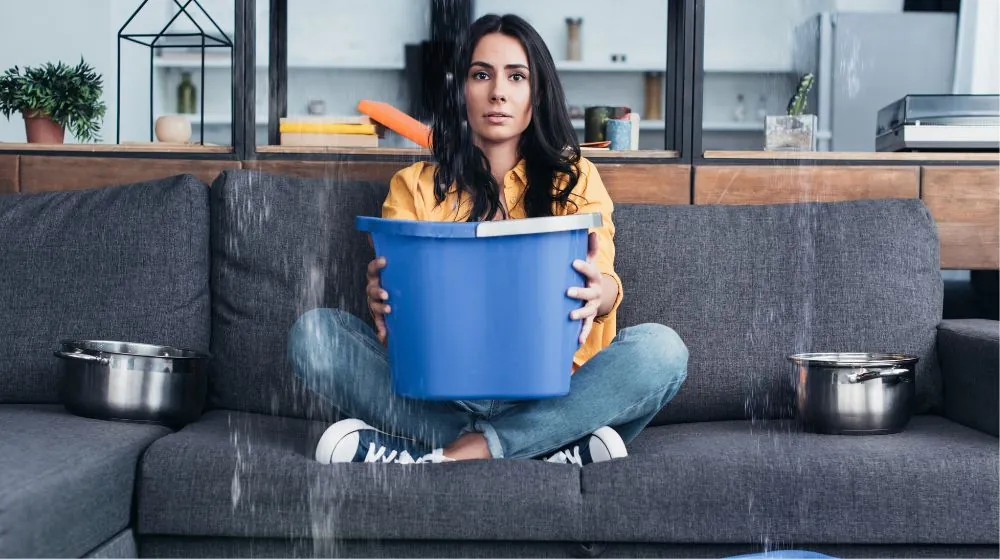
Understand why DIY water damage cleanup falls short and how professional restoration protects your investment.
When water gets into a home, the instinct to grab a mop, a shop vac and every fan in the house is completely understandable. For a small spill, that instinct is often right. The real question is not whether you can remove the water you can see; it is whether you can find and dry all the water you cannot see, before it turns into mold, rot or a denied claim. This article explains where do-it-yourself cleanup works, where it tends to fail, and how to decide when calling a certified professional is the better choice for your Toronto home.
What "Dry" Actually Means
Water does not stay where it lands. It soaks into carpet underpad, runs under baseboards and flooring, wicks upward inside drywall, and collects on top of subfloors and in wall cavities. Materials like wood framing, hardwood and plaster absorb moisture deep into their structure, where it evaporates slowly. A surface can feel dry to the touch within a day while the material beneath it stays wet for a week or more.
The IICRC S-500 standard, the reference document for professional water damage restoration, addresses this by defining a dry standard: the normal moisture level of the same material in an unaffected part of your home. Drying is not finished when a room looks dry. It is finished when every affected material has been measured and returned to that standard. Achieving that depends on three things working together: removing as much liquid water as possible, controlling humidity, and keeping air moving across wet surfaces at the right temperature.
Where DIY Cleanups Typically Fall Short
- Underestimating how far water travelled. Without moisture meters and thermal imaging, homeowners usually see only a fraction of the wet area. Water under a wall can wet the next room, and water under a floating floor can travel a long way.
- Fans without dehumidification. Fans speed up evaporation, but without enough dehumidification the moisture simply moves into the air and soaks back into other materials, sometimes spreading the problem.
- Household equipment that is not built for the job. Consumer dehumidifiers lose much of their effectiveness as humidity drops. Commercial low-grain refrigerant (LGR) and desiccant dehumidifiers are designed to keep removing moisture at the lower humidity levels needed to finish drying.
- Misjudging contamination. Water from a washing machine, a toilet or a sewer backup carries bacteria and other contaminants. Porous materials exposed to Category 3 water generally need to be removed, not dried and kept.
- Tearing out too much, or too little. Without measurements, DIY demolition tends to remove sound materials unnecessarily or leave wet ones behind.
- Rebuilding too early. Closing up walls before framing is dry traps moisture and commonly leads to odours and mold within weeks.
- No documentation. Insurers expect evidence of the cause, the extent and the drying. Without photos and moisture readings, a claim is harder to support.
DIY vs Professional Restoration, Side by Side
| Task | Typical DIY approach | Professional approach (IICRC S-500) |
|---|---|---|
| Finding the water | Visual check and touch | Moisture mapping with pin and pinless meters, thermo-hygrometers and thermal imaging |
| Water removal | Shop vac, mops, towels | High-capacity extraction, including from carpet and underpad |
| Drying | Household fans and a dehumidifier | Air movers and commercial dehumidifiers sized to the space, with specialty drying for hardwood and cavities |
| Contamination | Household cleaners | Category assessment, removal of affected porous materials, cleaning and antimicrobial application where appropriate |
| Knowing when it is dry | "It feels dry" | Daily readings recorded until materials reach the dry standard |
| Mold | Bleach or spray | Remediation following IICRC S-520 with containment and HEPA filtration |
| Insurance | Homeowner compiles evidence | Photos, moisture logs and scope documentation prepared for the adjuster |
When DIY Is Reasonable
You can usually handle the cleanup yourself when all of the following are true:
- The water is clean (a supply line or sink overflow, not a toilet, appliance drain or sewer).
- It landed on non-porous surfaces such as tile, vinyl or sealed concrete.
- You caught it quickly, ideally within an hour or two.
- It did not reach carpet underpad, drywall, the space under laminate or hardwood, or a ceiling below.
- The affected area is small, and there is no musty smell in the following days.
Even then, a basic moisture meter is a worthwhile purchase so you can confirm materials are actually dry.
When to Call a Professional Without Hesitating
- Contaminated water: sewer backup, flood water, or toilet overflow with feces (Category 3), or washing machine and dishwasher discharge (Category 2).
- Water through a ceiling or inside walls, where it cannot be seen or reached.
- Water under flooring, especially hardwood, laminate or engineered floors.
- Anything left wet for more than 24 to 48 hours, which increases both the risk of mold and the chance the water has degraded to a higher category.
- A finished basement with wet drywall, insulation or carpet.
- Older homes. Many houses built before the 1990s may contain asbestos in plaster, drywall joint compound, some floor tiles, or vermiculite insulation. Disturbing these materials during demolition can release fibres, so suspect materials should be tested first.
- Vulnerable occupants, such as infants, older adults, or anyone with asthma or a weakened immune system.
The Health Side
Wet building materials can support mold growth within roughly 24 to 48 hours, and contaminated water brings bacteria into the home. Health Canada's guidance, Addressing moisture and mould in your home, explains why fixing the moisture source matters and describes when mold areas are small enough for homeowners to clean themselves and when professional help is recommended. Anyone with health concerns should speak to a doctor. Where mold is already established, professional mold removal under the IICRC S-520 standard uses containment and HEPA filtration to keep spores from spreading into clean parts of the house.
The Insurance Side
Most Ontario home insurance policies require you to take reasonable steps to prevent further damage after a loss. A certified restoration company helps you meet that obligation and creates the record insurers rely on: the cause of loss, photos, moisture maps, daily drying logs and a scope of work. In Ontario you can generally choose your own restoration company, even if your insurer suggests a preferred vendor. Working with a firm that bills insurers directly also means you are not paying the full restoration cost upfront and waiting to be reimbursed.
What Professional Restoration Involves
- Inspection and moisture mapping to establish the source, the category of water, the class of loss and how far the water has travelled.
- Water extraction from floors, carpet and underpad.
- Controlled removal of materials that cannot be dried or are contaminated, such as the lower portion of drywall (a "flood cut"), soaked insulation, or Category 3 carpet.
- Cleaning and antimicrobial treatment where contamination or mold risk calls for it.
- Structural drying with air movers and dehumidifiers placed according to the size and class of the loss.
- Daily monitoring with recorded moisture readings and equipment adjustments.
- Verification that all materials have reached the dry standard, followed by repairs and rebuilding.
You can read more about how we carry out this process on our water damage restoration service page.
Warning Signs a DIY Dry-Out Missed Something
If you have already cleaned up a leak yourself, watch the affected area closely over the following weeks. These signs suggest moisture was left behind:
- A musty or earthy smell that returns, especially when the room has been closed up.
- Paint bubbling, drywall softening or baseboards swelling days or weeks after the event.
- Hardwood or laminate that begins to cup, peak or separate at the joints.
- Discolouration or speckled spots appearing at the base of walls or on the back of stored items.
- Humidity that stays stubbornly high in one room, or condensation on windows and cold surfaces nearby.
- Staining that spreads rather than fading.
Any of these is a good reason to have the area checked with moisture meters. Catching a missed pocket of moisture early is far less disruptive than dealing with established mold behind a finished wall.
Is DIY Really Cheaper?
For small, clean-water incidents, yes. For anything larger, the arithmetic changes. A wet subfloor that was never measured can mean replacing a floor that could have been dried; drywall closed up over damp framing can mean mold remediation and a second repair. In addition, a loss without professional documentation can be harder to support with your insurer. Much of the cost of professional restoration is typically covered when the loss is insured, less your deductible. Our 2026 Toronto water damage restoration cost guide breaks down typical price ranges so you can compare realistically.
Choosing the Right Professional
Look for IICRC-certified technicians, true 24/7 availability, clear documentation, and experience working directly with insurers. You can verify certification through the IICRC. Our guide to choosing a water damage restoration company in Toronto lists the questions worth asking before you sign anything.
Pro Max Restoration brings 15+ years and more than 600 GTA projects to every job, works to IICRC S-500 and S-520 standards, holds a 5.0 Google rating, and typically arrives in about 45 minutes, 24/7, from our North York head office. We bill insurers directly. Call 416-988-3539 if you are unsure whether your situation needs a professional.
Frequently Asked Questions
Can I clean up water damage myself instead of hiring a professional?
Why is hidden moisture such a problem after water damage?
When should I definitely call a water damage restoration company?
Does insurance pay for professional water damage restoration?
Do I have to use the restoration company my insurer recommends?
Need Professional Restoration Help?
Our IICRC-certified team is available 24/7 for emergencies and free consultations.
Call 416-988-3539