
Responding to Water Damage Emergencies in Toronto: Essential Steps
Written & reviewed by the Pro Max Restoration Technical Team
IICRC-Certified Restoration Technicians
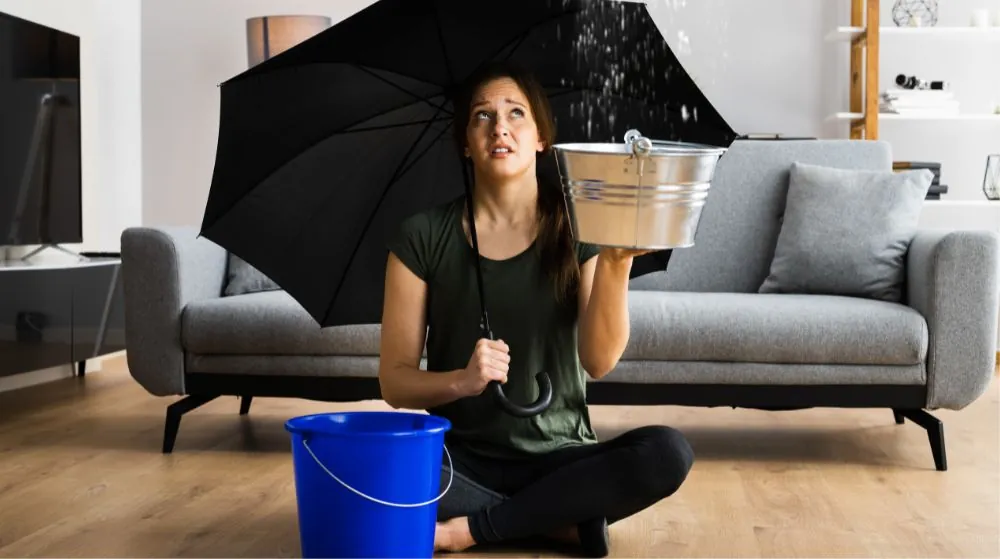
A step-by-step emergency response guide for Toronto residents facing sudden water damage.
A water emergency rarely happens at a convenient time. It is the ceiling dripping over the dining table at 2 a.m., the pipe that bursts in a February cold snap while you are at work, or the call from your condo's concierge saying water is coming through from the suite above. The steps you take in the first minutes and hours determine how far the water spreads, how much has to be torn out, and how smoothly your insurance claim goes. This guide covers the emergency response for every common source of water in a Toronto home. If your emergency is specifically a flooded basement, our companion guide, the first 24 hours after a basement flood, goes into basement-specific detail.
The First 10 Minutes: Safety and Shut-Off
- Check for electrical danger. Do not step into water that could be in contact with outlets, power bars, appliances or the electrical panel. If you can reach the panel from a dry spot, switch off the circuits serving the wet area. If the panel is in or near water, stay away and call your electric utility or a licensed electrician.
- Stop the water. Close the valve closest to the source if you know it, or the main shut-off if you do not. In most Toronto houses the main valve is in the basement on the front wall, where the water service enters. In a condo, use the in-suite shut-offs, or call building security or management immediately.
- Get people and pets out of harm's way. Keep everyone away from sagging ceilings and out of any water that could be contaminated.
- Work out what kind of water it is. Clean water from a supply pipe is Category 1 under the IICRC S-500 standard. Water from a washing machine or dishwasher is Category 2. Sewage, flood water or a toilet overflow with feces is Category 3 and should not be handled without protective gear.
Step-by-Step Response by Water Source
Burst or Leaking Pipe
Shut off the main valve, then open the lowest tap in the house (often a basement laundry sink) to drain pressure out of the lines. If the burst followed a cold snap, other pipes in exterior walls or unheated spaces may also be frozen; check them before restoring water. Never thaw a pipe with an open flame. Leave the repair to a licensed plumber, and see our burst pipe water damage service for what happens next.
Ceiling Leak
Turn off the power to any light fixtures or fans in the wet ceiling. Place buckets and move furniture and electronics out from underneath. If the drywall is bulging with trapped water, it can give way suddenly; standing to one side, some homeowners puncture the lowest point of the bulge with a screwdriver to drain it into a bucket in a controlled way, but only do this if the power is off and you can stay clear. Then find the source above: a bathroom, a supply line, the roof or an ice dam. Our article on ceiling water damage explains the usual culprits.
Appliance Failure
- Washing machine or dishwasher: turn off the supply valves behind the appliance and unplug it if you can reach the plug safely. Treat the water as Category 2.
- Water heater: close the cold-water inlet valve on top of the tank, and turn the heater off (switch off the breaker for an electric unit, or set a gas unit to its off or pilot setting following the manufacturer's instructions). Do not try to drain a hot tank.
- Refrigerator or ice maker: close the supply valve, usually found under the kitchen sink or in the basement below the fridge.
Toilet Overflow
Close the supply valve behind the toilet, or lift the tank lid and raise the float to stop the fill. If the overflow contains feces, it is Category 3; keep everyone out, avoid walking it into other rooms, and do not mop it into carpet or under flooring.
Water From a Condo Unit Above
This is one of the most common emergencies in Toronto's high-rise buildings. Call concierge, security or property management immediately; they can access the unit above and, if needed, shut off water to that suite or riser. Do not wait for your neighbour to answer the door. Photograph the water entering your unit, note the time, and keep your communications with management in writing. Notify your own insurer promptly. Your condo corporation's declaration and bylaws set out who is responsible for which repairs, and your unit-owner policy may respond to damage to your improvements and contents, so it is worth reading both once the immediate emergency is under control.
Roof Leak or Ice Dam
Do not climb onto an icy or wet roof. Catch the water inside, move contents, and protect flooring with plastic and towels. Clearing snow from the lower edge of the roof with a roof rake from the ground can reduce ice-dam backup. A roofer should handle repairs once it is safe.
Sewer Backup or Flood Water
Treat it as Category 3. Stay out of the water, keep children and pets away, avoid running water or flushing toilets if the backup is coming from the sewer, and do not try to clean it up with household tools. Our sewer backup cleanup team handles decontamination and the safe removal of affected materials.
Hours 1 to 24: Document, Notify and Limit the Damage
- Document everything. Take wide photos and close-ups of the source, the water line, damaged materials and contents before anything is moved or thrown away.
- Call your insurer. Report the loss the same day and write down the claim number. Standard Ontario policies usually cover sudden, accidental escape of water; sewer backup and overland flooding generally require endorsements. Our guide Does Home Insurance Cover Water Damage in Ontario? explains the differences.
- Call a certified restoration company. Professional extraction and drying equipment makes the biggest difference in the first day.
- Move contents. Lift furniture onto blocks or foil, roll up area rugs, and move documents, photos and electronics to a dry room.
- Help drying along safely. Run a dehumidifier and keep doors to the wet area closed. Do not use a household vacuum on wet floors.
The Emergency Timeline at a Glance
| Time after discovery | Priority | Why it matters |
|---|---|---|
| 0–15 minutes | Safety, power, shut-off | Prevents injury and stops the volume of water growing |
| First hour | Protect contents, document, call for help | Keeps belongings out of the water and preserves evidence for your claim |
| 1–24 hours | Extraction and start of drying | Removing liquid water early is the most effective drying step |
| 24–48 hours | Moisture mapping, removal of unsalvageable materials | Mold can begin growing in this window, and clean water can degrade in category |
| 3–5 days and beyond | Monitored structural drying | Daily readings confirm when materials reach the dry standard |
| After drying is verified | Repairs and rebuilding | Rebuilding over wet materials traps moisture and invites mold |
What Not to Do
- Do not use ceiling lights or fans under a wet ceiling, or plug anything into outlets in a wet area.
- Do not walk through sewage and then into clean areas of the home.
- Do not throw out damaged items before they are documented.
- Do not turn the heat up high in a closed, wet room without dehumidification.
- Do not lay new flooring or close walls until materials are confirmed dry.
- Do not assume that because the water stopped, the damage stopped. Moisture keeps spreading inside materials.
Special Situations
If You Rent
Contact your landlord or property manager as soon as the water is stopped, and follow up in writing with photos. The building and its fixtures are generally the owner's responsibility, but your belongings are not; they are covered only if you carry tenant insurance, so notify your own insurer as well. Take the same safety and documentation steps an owner would, and do not start removing walls or flooring without the owner's agreement.
If You Come Home to Water
Returning from a trip or a winter weekend away to find water is especially stressful because you do not know how long it has been running. Assume the damage is more extensive than it looks, since water may have been soaking into walls and floors for days. Follow the same safety and shut-off steps, photograph everything before moving anything, and tell your insurer when you left and when you returned. A longer exposure time also raises the likelihood of mold, so professional moisture mapping is strongly recommended.
Be Ready Before It Happens
A few minutes of preparation pays off when water appears at 2 a.m. Tag your main shut-off, save your insurer's claims line, your policy number and a 24/7 restoration company's number in your phone, and keep a flashlight, rubber boots, waterproof gloves, towels, a tarp and a wet/dry vacuum where you can find them. The Government of Canada's Get Prepared site has practical guidance on emergency kits and planning for floods and power outages, and the Insurance Bureau of Canada explains water-related coverage.
What Happens When Professionals Arrive
A certified crew starts with a safety check and confirms the source is stopped. They identify the category and class of water, map moisture with meters and thermal imaging, extract standing water, remove materials that cannot be saved, and set up air movers and dehumidifiers sized to the space. They then take readings every day until every affected material reaches its dry standard, documenting each step for your insurer.
Pro Max Restoration responds 24/7 across the GTA, typically in about 45 minutes, from our North York head office. With 15+ years and more than 600 projects behind us, we work to IICRC S-500 and S-520 standards and bill insurers directly. If water is coming into your home right now, call 416-988-3539.
Frequently Asked Questions
What is the first thing to do in a water damage emergency?
What should I do if water is leaking from the condo unit above me?
Should I puncture a ceiling that is bulging with water?
How long do I have before water damage gets worse?
Is a burst pipe covered by home insurance in Ontario?
Need Professional Restoration Help?
Our IICRC-certified team is available 24/7 for emergencies and free consultations.
Call 416-988-3539