
Attic Mold in Toronto: Causes, Removal Cost & Prevention
Written & reviewed by the Pro Max Restoration Technical Team
IICRC-Certified Restoration Technicians
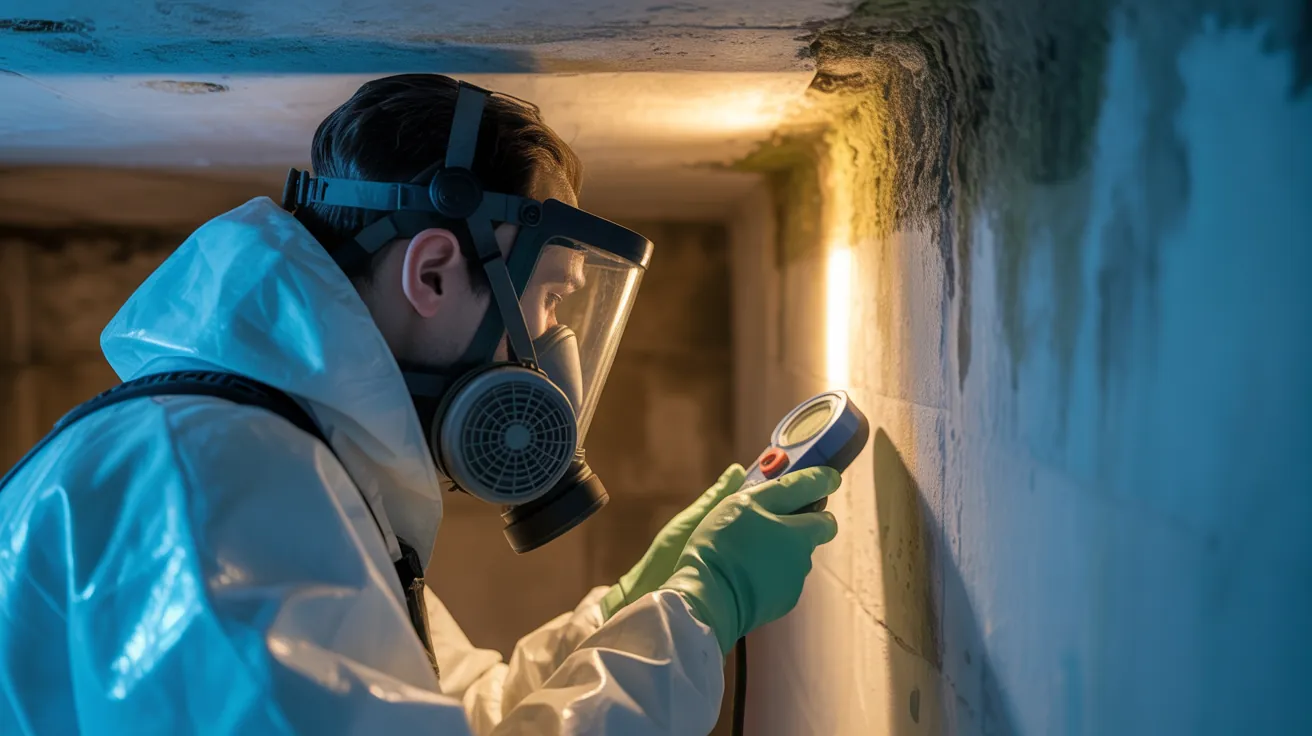
Attic mold is one of the most common problems in Toronto homes, usually caused by misvented exhaust fans, blocked soffit venting, missing vapour barriers, ice damming, or roof leaks. This guide covers how it's discovered, what it looks like, the IICRC S-520 removal process, and typical 2026 removal costs in the GTA.
Attic mold is one of the most common problems Pro Max Restoration finds in Toronto and GTA homes, and also one of the easiest to miss. The attic is the one part of a house almost nobody looks at, so mold can spread quietly across the roof sheathing and rafters for years before a roofer, home inspector, or insulation crew finally spots the dark staining and calls in a specialist.
Why Attic Mold Is So Common in Toronto Homes
Toronto's cold winters and humid summers create ideal conditions for attic mold, and the way many GTA houses were built and renovated over the decades makes the problem worse. In 15+ years restoring more than 600 properties across the region, five root causes come up again and again.
Bathroom and Kitchen Exhaust Fans Vented Into the Attic
In many older Toronto homes, the bathroom exhaust fan or kitchen range hood was never properly ducted outside. The flex duct simply ends a few feet into the attic, dumping warm, moist air onto the underside of the roof deck every time someone showers or cooks. Over months and years, that daily moisture condenses on the cold sheathing directly above the bathroom or kitchen and feeds mold growth.
Blocked or Insufficient Soffit and Ridge Venting
Attics are designed to breathe, with cool air entering through soffit vents at the eaves and exiting through the ridge or roof vents, carrying moisture out before it condenses. When soffit vents are painted shut, packed with blown-in insulation, or simply undersized, that airflow stops. Humid air becomes trapped under the roof deck, especially in colder months, and mold takes hold on the plywood or OSB sheathing.
Missing Vapour Barrier
A properly sealed vapour barrier on the ceiling below the attic stops warm, moist household air from migrating upward. In many pre-1990s homes, and in additions where the barrier was poorly sealed around pot lights, fans, or the attic hatch, household humidity leaks straight into the attic and condenses on the first cold surface it meets, usually the underside of the roof sheathing.
Ice Damming
Ice damming happens when heat escaping the living space melts snow on the upper roof, and that meltwater refreezes at the colder eaves, forming a ridge of ice that backs water up under the shingles. That water works into the attic, soaking insulation and sheathing all winter. Because ice damming repeats every cold season until the heat loss and ventilation problem is fixed, it is a reliable cause of recurring attic mold.
Roof Leaks
Cracked flashing, worn shingles, and deteriorated roof vents let rain and melting snow into the attic directly. Even a small, slow leak that never stains the ceiling below can keep sheathing damp enough, long enough, to grow mold. Roof leaks are also how attic mold is often discovered, since a roofer replacing shingles is frequently the first person to see the underside of the deck in years.
How Attic Mold Is Usually Discovered
Because nobody spends time in the attic, mold there is almost always found by accident. A roofing contractor pulling old shingles and sheathing during a re-roof is often the first to see the staining. A home inspector doing a pre-listing or pre-purchase inspection will climb into the attic with a flashlight and flag it, sometimes putting a sale at risk. Occasionally a homeowner notices a musty smell in an upstairs room, or a stain on the ceiling, and pulls down the attic hatch to look. In each case, the mold has usually been growing for a long time before anyone actually sees it.
What Attic Mold Looks Like
Attic mold typically appears as black or dark grey staining across the plywood or OSB roof sheathing and along the rafters, often following the pattern of the roof trusses. It can look like a light speckled discoloration early on, or a heavy, almost sooty black coating once established. It is frequently concentrated directly above bathrooms and kitchens and along the eaves where ventilation is weakest, and is often accompanied by darkened or water-stained insulation underneath. A musty smell drifting down through pot lights or the attic hatch is another common sign worth investigating.
Health and Resale Implications
Attic mold rarely causes the dramatic symptoms people associate with a flooded basement, because the space is sealed off from daily living areas, but it is not harmless. Spores and musty odours can migrate into living spaces through pot lights, bathroom fan housings, and attic hatches, particularly once the HVAC system draws air through those gaps, and can aggravate allergies, asthma, and other respiratory sensitivities. Attic mold is also a serious resale problem: it shows up on almost every home inspection, and buyers, lenders, and agents treat visible staining as a red flag that can delay closing or kill a deal outright.
The Professional IICRC S-520 Removal Process
Pro Max Restoration is IICRC S-500 and S-520 certified, and follows the S-520 mold remediation standard on every attic project, which is very different from simply painting over staining or spraying a surface treatment and hoping it does not come back.
- Inspection and moisture mapping — FLIR thermal imaging and calibrated moisture meters find every wet area and identify the ventilation or moisture source causing it.
- Containment — the attic access point and surrounding work area are sealed off so mold spores cannot spread into the rest of the home.
- Negative air pressure — negative air machines pull air out of the contained space and exhaust it outside during the work.
- HEPA filtration — HEPA air scrubbers continuously filter airborne spores throughout the project.
- Removal or treatment of sheathing — lightly affected sheathing is media-blasted or treated with an antimicrobial; heavily contaminated sheathing is removed and replaced.
- Insulation replacement — contaminated or water-damaged insulation is removed and new insulation installed once the space is clean and dry.
- Clearance testing — a third-party test confirms the attic meets acceptable mold spore levels before the job is closed out, with documentation for the homeowner.
Because attic work almost always overlaps with a moisture or structural problem, it benefits from a single-source team rather than juggling a roofer, an insulation contractor, and a mold company separately. Pro Max Restoration's mold removal service handles everything from initial remediation through insulation replacement and any related repairs under one roof, keeping the project on one timeline and one point of accountability.
Attic Mold Removal Cost in Toronto (2026)
Attic mold remediation cost in the GTA depends mainly on attic size, how far the mold has spread, and whether sheathing and insulation need full replacement or can be treated in place. The ranges below are typical for the Toronto market in 2026 and are meant as a general guide; every Pro Max Restoration quote is based on an in-person inspection.
| Attic Size / Severity | Typical Scope | Estimated Cost (CAD) |
|---|---|---|
| Small attic, light surface mold (under 500 sq ft) | Media blasting or antimicrobial treatment, spot insulation replacement | $1,200 – $2,500 |
| Medium attic, moderate contamination (500–1,200 sq ft) | Containment, sheathing treatment, partial insulation replacement | $2,500 – $5,000 |
| Large attic, heavy or long-standing mold | Sheathing removal and replacement, full insulation replacement, ventilation upgrades | $5,000 – $9,000+ |
| Attic mold plus roof leak or structural repair | Remediation combined with roof and structural rebuild | Varies – quoted after inspection |
These figures cover mold remediation itself. If the cause is a roof leak, failed flashing, or inadequate ventilation, budgeting for roof and ventilation repairs on top of remediation is essential, since skipping that step almost guarantees the mold returns. Homeowners whose attic mold stems from a documented water event should also ask whether their insurance covers part of the remediation; see our guide to mold removal and insurance in Ontario. For pricing across other mold jobs, see our Toronto mold removal cost guide.
Why Fixing Ventilation Is the Only Way to Stop It Returning
The biggest mistake homeowners make with attic mold is treating it as a one-time cleaning job. If the bathroom fan still vents into the attic, the soffit vents are still blocked, or the vapour barrier still has gaps around the pot lights, the same moisture will condense on the same cold sheathing and the mold will return within a season or two, no matter how thoroughly it was cleaned. Every Pro Max Restoration attic project includes a ventilation and moisture assessment alongside a clear recommendation for fixing it. Health Canada's guidance on addressing moisture and mould in the home makes the same point: removal without fixing the moisture source is a temporary fix, not a solution. Homeowners in North York and Vaughan call us with this exact pattern, and the same logic applies to basement moisture; see our guide on preventing basement flooding in Toronto.
If you've found staining in your attic, or a home inspector flagged it during a sale, Pro Max Restoration can inspect, test, and remediate it correctly, with clearance testing and full documentation. Call 416-988-3539 for a free inspection, or contact us to book online.
Frequently Asked Questions
How do I know if I have mold in my attic?
What causes attic mold in Toronto homes specifically?
How much does attic mold removal cost in Toronto?
Is attic mold dangerous to my health?
Can I remove attic mold myself?
Will attic mold come back after it's removed?
Need Professional Restoration Help?
Our IICRC-certified team is available 24/7 for emergencies and free consultations.
Call 416-988-3539