
Toronto's Basement Flooding Protection Subsidy: A Homeowner's Guide
Written & reviewed by the Pro Max Restoration Technical Team
IICRC-Certified Restoration Technicians
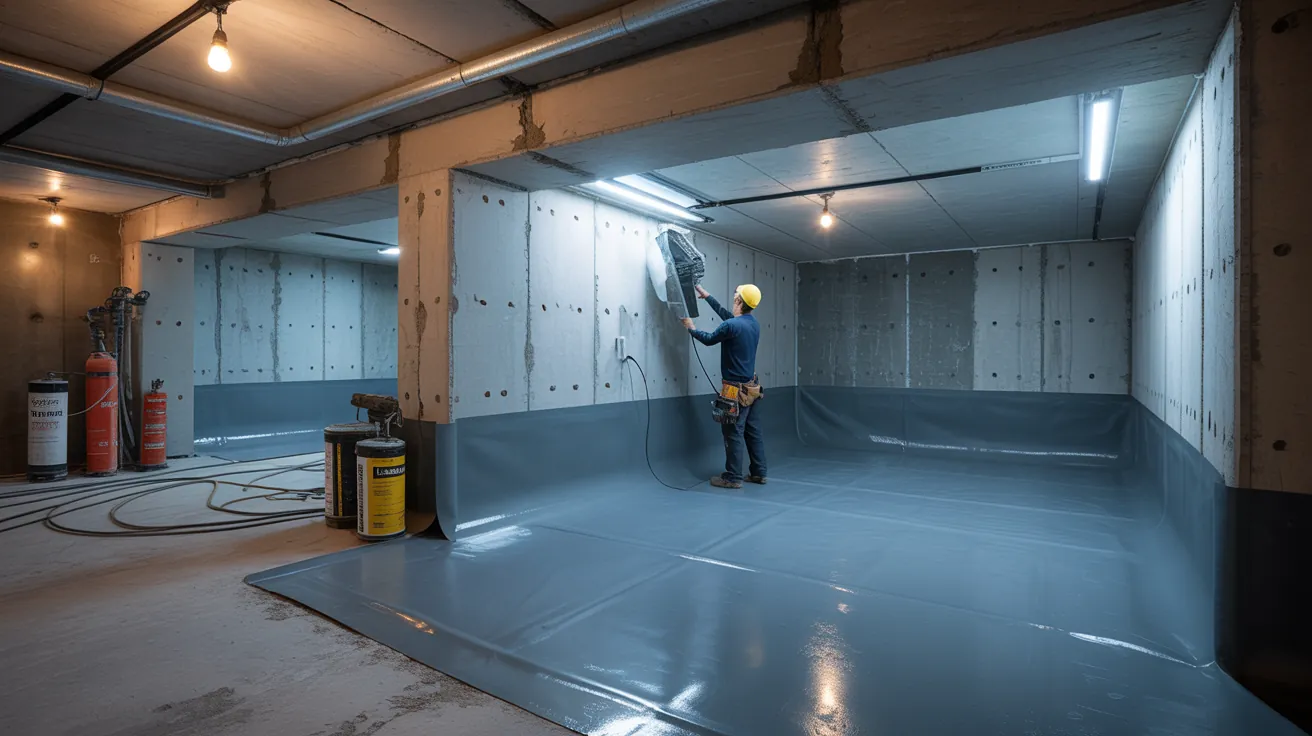
A practical walkthrough of the City of Toronto's Basement Flooding Protection Subsidy Program: what devices it covers, who qualifies, how to apply, and realistic costs before the up-to-$6,650 rebate.
If you own a home in Toronto, you can recover a meaningful share of the cost of protecting your basement from flooding through the City of Toronto’s Basement Flooding Protection Subsidy Program. As of the May 2026 program update, eligible homeowners can be reimbursed up to $6,650 toward the installation of approved flood-protection devices. Here is what the program actually covers, who qualifies, how to apply, and what it realistically costs before the rebate lands.
What Is the Basement Flooding Protection Subsidy Program?
The Basement Flooding Protection Subsidy Program is a City of Toronto initiative designed to help homeowners reduce the risk of basement flooding caused by heavy rainfall and sewer backups. Rather than waiting for the city to upgrade every stretch of aging pipe, the program puts money directly toward protective devices installed on private property, on the theory that thousands of small, individual upgrades add up to fewer citywide claims and less strain on the sewer network during storms.
The subsidy reimburses homeowners after the work is done and paid for — it is not a discount applied at the time of purchase. That distinction matters for budgeting, since you need to be able to cover the full installation cost up front and then wait for the city to process your application and issue the rebate.
What the Subsidy Covers
The program covers three categories of flood-protection devices, and a homeowner can apply for more than one type in the same application if the work is done together:
- Backwater valve — a one-way valve installed on the main sewer line that allows wastewater to flow out of the home but closes automatically to stop sewage or stormwater from flowing back in during a sewer backup.
- Sump pump — a pump installed in a pit below the basement floor that collects groundwater around the foundation and discharges it away from the home before it can seep in through cracks or weeping tile.
- Severance and capping of the storm sewer or foundation drain connection — permanently disconnecting the home’s storm or foundation drain pipe from the combined municipal sewer, so the property no longer contributes to (or is vulnerable to) surcharging in the shared pipe.
The table below gives a general sense of what each device does and what it typically costs to install in the GTA before the subsidy is applied. Actual pricing depends on your plumber, soil conditions, foundation type, and whether finished basement space needs to be opened up.
| Device | What It Does | Typical Installed Cost (Before Subsidy) |
|---|---|---|
| Backwater valve | Blocks sewage and stormwater from backing up through floor drains and basement plumbing | $2,500 – $4,500 |
| Sump pump with pit | Collects and pumps groundwater away from the foundation to keep the basement dry | $2,000 – $4,000 |
| Severance and capping of storm/foundation drain | Disconnects the home’s drain from the combined sewer, redirecting water to a soakaway or the yard | $1,500 – $3,500 |
Why the Backwater Valve Matters So Much in Toronto
Many of Toronto’s older neighbourhoods, including large sections built before the 1960s, still rely on combined sewer systems that carry both sanitary sewage and stormwater runoff in a single pipe. During a heavy rainfall event, that shared pipe can fill faster than it can drain, and when it surcharges, the path of least resistance is often back up through the lowest fixtures in a home — typically the basement floor drain or a laundry tub. This is precisely how a summer thunderstorm turns into a flooded basement full of contaminated water, even when nothing inside the home has failed.
A backwater valve is the single most effective device against this specific risk because it addresses the mechanism directly: it lets water leave the home normally but physically prevents it from reversing course. Homeowners in combined-sewer areas who have already experienced one backup are especially good candidates, since the same storm pattern that caused the first event will very likely cause another. Pairing a backwater valve with basic preventive habits — described in our guide on how to prevent basement flooding in Toronto — is the most reliable combination we see working for clients long term.
Who Is Eligible
Eligibility rules are set and periodically adjusted by the City of Toronto, but as a general guide the program is intended for:
- Owners of single-family, duplex, and triplex residential properties located within the City of Toronto.
- Homeowners installing devices on an existing home, rather than as part of new construction (new builds are typically expected to include flood protection under the current building code).
- Applicants who use a licensed plumber and obtain the required permit before or as part of the installation.
Rental properties, condominiums, and some commercial-residential mixed properties may fall under different rules or may not qualify at all, so it is worth checking your specific property type against the current program terms before you commission any work.
How to Apply: Step by Step
The general application sequence has stayed fairly consistent over the years, though document requirements and deadlines can shift. In broad terms, homeowners should expect to:
- Get written quotes from a licensed plumber experienced in backwater valve, sump pump, or drain-severance installations.
- Obtain the required plumbing permit from the city before the physical work begins.
- Have the licensed plumber complete the installation to the current Ontario Building Code.
- Collect the final paid invoice, which should clearly show the plumber’s licence number, the device(s) installed, and the total cost.
- Submit the subsidy application along with the permit, the invoice, and any supporting photos the city requests, within the program’s current deadline window.
- Wait for the city to review the application and, once approved, issue the reimbursement.
Keep copies of everything — permits get misplaced, and a missing document is one of the most common reasons applications get delayed or bounced back for resubmission.
Realistic Costs Before the Subsidy
Homeowners who install a backwater valve and a sump pump together, which is a common combination for properties that have flooded more than once, are typically looking at a combined installed cost somewhere between $4,000 and $8,000 depending on foundation access, soil, and whether any finished basement space needs to be cut open and later repaired. Against that backdrop, a $6,650 maximum subsidy can cover a very large share of a single-device project, and a meaningful chunk of a combined project. It is not, in most cases, going to make the work free, but it materially changes the math for homeowners who have been putting off protection because of the upfront cost.
What to Do If Your Basement Has Already Flooded
If water is already sitting in your basement right now, the subsidy program is not the priority — getting the water out safely is. Standing water from a sewer backup is contaminated and should not be treated as a simple cleanup job; it calls for proper extraction, drying, and disinfection by trained technicians. Pro Max Restoration provides 24/7/365 emergency response across the GTA with an average arrival time of roughly 45 minutes, and our crews carry FLIR thermal imaging cameras, calibrated moisture meters, truck-mounted extractors, LGR dehumidifiers, and HEPA air scrubbers to handle everything from initial extraction through complete rebuild. If you are in the middle of an active basement flood, review our guide on the first 24 hours after a basement flood and call us right away — once the property is dry and repaired, that is the right time to look into a backwater valve or sump pump through the subsidy program so the same thing does not happen again.
Amounts, Eligibility, and Rules Can Change — Always Confirm with the City
The figures and process described in this guide reflect the program as of the May 2026 update, but subsidy amounts, eligible devices, income or property qualifications, and application deadlines are all set by the City of Toronto and can change without much notice. Before you commission any work or budget around a specific rebate amount, confirm the current details directly on the City of Toronto’s official Basement Flooding Protection Subsidy Program page, which is the authoritative source for eligibility, funding caps, and required documents.
Whether you are planning ahead with a backwater valve and sump pump, or you are dealing with an active flood right now, Pro Max Restoration can help. Call 416-988-3539 for 24/7 emergency response, or contact us to book an assessment of your basement’s flood risk.
Frequently Asked Questions
How much does the Toronto Basement Flooding Protection Subsidy pay?
What devices are covered under the subsidy program?
Who is eligible for the basement flooding subsidy?
What is the application process for the subsidy?
Why is a backwater valve so important in Toronto specifically?
What should I do if my basement floods before I install these devices?
Need Professional Restoration Help?
Our IICRC-certified team is available 24/7 for emergencies and free consultations.
Call 416-988-3539